Handcrafted Djembes and Professional Restoration
I build each djembe by hand using traditional West African methods. This is where wood meets spirit, and where I turn seasoned timber and premium skin into an instrument that speaks.
The 'dry pull' is a critical step in the djembe building process. I use a complex web of ropes to apply even, immense pressure on the new skin, stretching it over the shell. This is pure physical effort and meditation for me.
Here are two djembes undergoing the initial tensioning process. Each drum is made for a specific person, and this stage is where the drum's fundamental character begins to take shape.
Playing a newly skinned and tensioned djembe for the first time. It takes presence and consistent effort to understand the spirit of a new drum and learn the subtle adjustments needed to make it speak.
A final sound check on a professional djembe before it goes to its new owner. I test every aspect of its voice, from the deep bass to the sharp slap, ensuring it's perfectly tuned and ready for jamming.
The result of many hours of work. This handcrafted djembe features a quality skin, durable rope for precise tuning, and a solid wood shell. It's not just an instrument, but a piece of functional art.
About The Art of Djembe Crafting
The most critical part of my process is what I call the 'dry pull.' It is physically demanding, involving hours of manual tensioning with high-grade rope to stretch the goat skin perfectly over the seasoned hardwood shell. I do not use shortcuts because the resonance you feel in your hands depends entirely on this initial tension. When you get a drum from me, you are getting an instrument that has been tested for the right slap, tone, and bass right here at my workshop in Pune.
The Djembe Philosophy
I build drums with the belief that the 'djembe knows no borders.' My process is a direct tribute to my guru, Grandmaster Mamady Keïta. When I select a shell, I am looking for seasoned Sheesham, Mahogany, or Red Cedar, turned specifically to West African dimensions. This is not about mass production. It is about creating an extension of your own voice.
The Building Process
Every drum goes through a rigorous lifecycle:
- The Shell: I use premium seasoned woods that provide the necessary density for deep, resonant bass.
- The Skin: I source medium-thick goat skin, carefully aligning the spine to ensure sound symmetry across the drumhead.
- The Weave: I use the traditional Mali Weave system with climbing-grade polyester rope. This ensures that the drum holds its pitch even when you play hard.
- The Dry Pull: This is the heart of my work. Using multiple stages of manual tensioning, I stretch the skin until it is tight and responsive. This is where I spend most of my time, and it is the key difference between a toy and a professional instrument.
Restoration and Care
If you have a djembe that has lost its 'masti' (joy) or power, I offer full restoration services. This includes removing old, dead skin, sanding the bearing edge to ensure smooth contact, and re-skinning with fresh, high-quality goat hide. I also provide tuning services to bring back that crisp slap and deep bass that your drum used to have. Whether you are a beginner or a touring musician, my goal is to make sure your drum is ready for the circle. Bring it to my workshop in Viman Nagar, and we can assess exactly what it needs to sound like new again.
Similar work from other experts
Browse through Curated picks from other experts on mytribe
Intricate Solo Tabla Compositions and Kaidas
 14
14
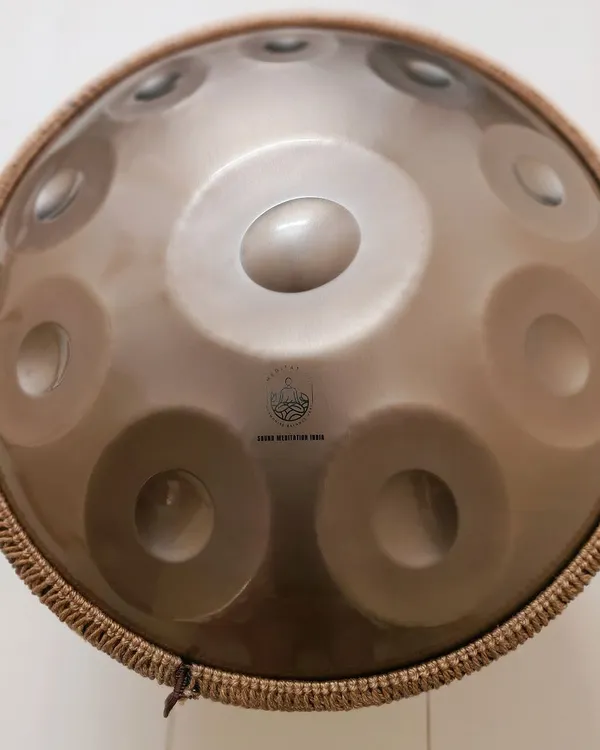
Handcrafted Instruments for Sound Meditation and Healing
Classical & Devotional Sitar Performances
 5
5
Tabla Performances Inspired by Punjab Gharana Tradition
 38
38
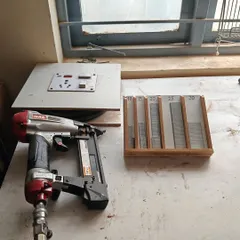
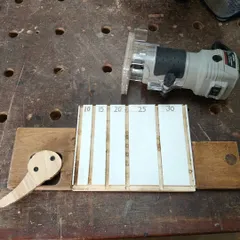
Handcrafted Woodwork: My Tools & Process
 8
8
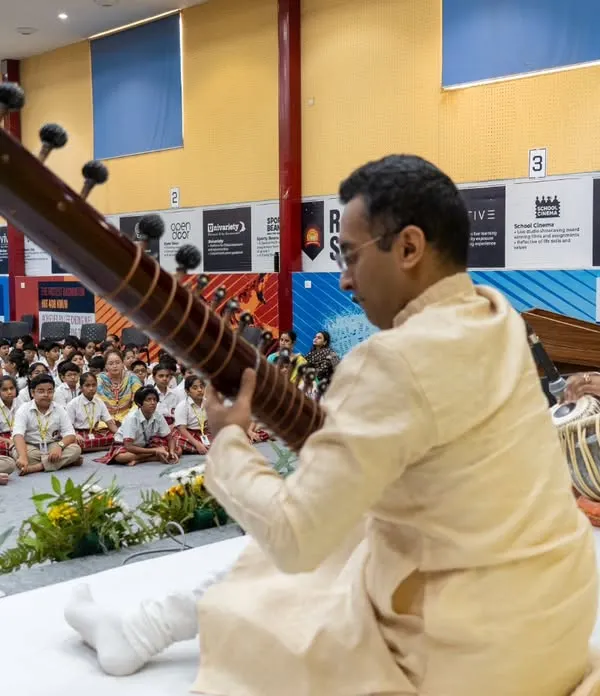
Sitar Performances and Indian Classical Music Workshops
More from Djembe Drum Making & Maintenance by Taal Inc