The Philosophy Behind the Rhythm: My Journey with the Djembe
Everything I know about the djembe and the joy of 'Wassa Wassa' comes from my guru, Mamady Keïta. Here is the spirit that guides every drum I make and every rhythm I share.
A proud moment with my teacher, Mamady Keïta, at an International Summer Workshop. His teachings on traditional technique, curriculum, and the philosophy of the djembe are at the core of everything I do.
Sharing a quiet moment with Mamady Keïta. His belief in the djembe as a tool for connection and joy is the spirit I try to infuse into every custom drum and djembe restoration project.
In this talk, I discuss how my background in clinical psychology and my training in West African drumming came together. This fusion of science and art is what allows me to offer a service that's about more than just music, it's about well being.
About My Guru, My Inspiration
People often ask why I focus so much on traditional West African techniques rather than modern shortcuts. It is because my guru, Mamady Keïta, taught me that the djembe is not just an instrument, it is a tool for connection that requires deep, hands-on understanding. When you pick up a drum that has been crafted with his lineage in mind, you are not just playing music, you are stepping into a centuries-old tradition of community healing and genuine joy.
My path to the djembe was not a straight line. I started with a master's in clinical psychology, looking for a way to translate the therapeutic benefits of rhythm into something tangible. That journey led me to the world of Grandmaster Mamady Keïta. His teaching was simple yet profound: the djembe knows no borders.
The Science and the Soul
Why does this matter for you? Because whether I am running a corporate drum circle in Pune or hand-tuning a custom drum in my Viman Nagar workshop, I apply the same rigor. My work is informed by research on arts and health, but it is driven by the energy of the drum. This isn't just about entertainment. It is about understanding the mechanics of sound—the bass, the tone, and the slap—and how they resonate with the human nervous system to reduce stress and build community.
Traditional Methods, Modern Impact
When I perform a 'dry pull' on a drum or restore a shell, I am not just following a manual. I am honoring a lineage. If you are looking for a drum that carries this kind of history, or if you want to attend a workshop where you learn more than just a few patterns, you are in the right place. We are here to help you get out of your head and into your body. Whether you are looking for professional drum restoration or a beginner class, everything starts with the same belief: come, drum, and be one.
Similar work from other experts
Browse through Curated picks from other experts on mytribe
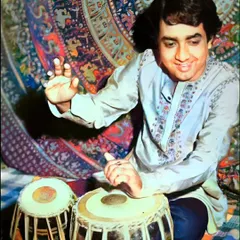
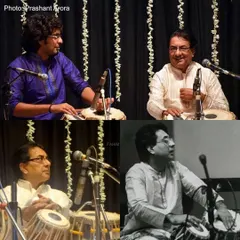
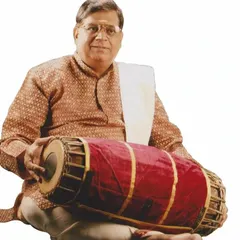
My Musical Lineage and Artistic Inspirations
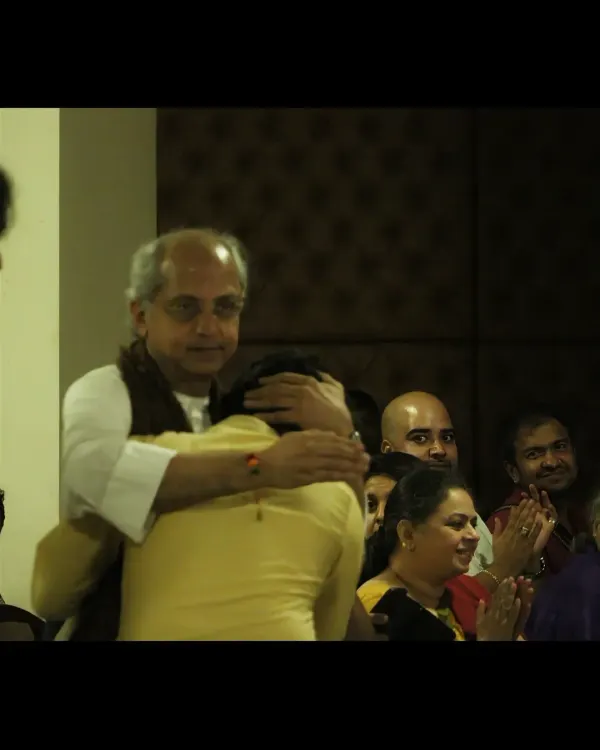 5
5
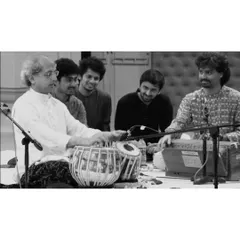
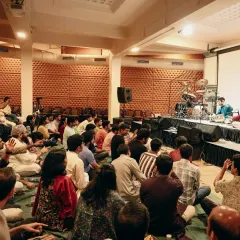
Tabla Performances Inspired by Punjab Gharana Tradition
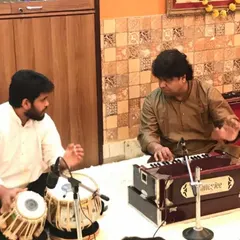
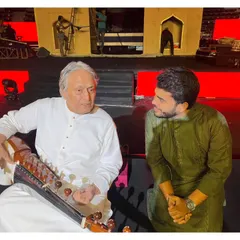
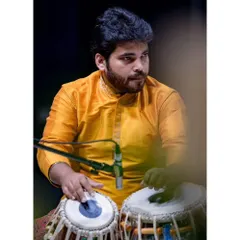
Discover the Farukhabad Gharana Tabla Style
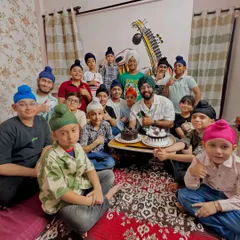
The Rhythmic World of Tablagram
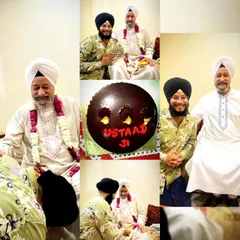
Master Tabla: From Classical Theory to Fusion Rhythms
Master the Delhi Gharana: Authentic Tabla Lessons
More from Djembe Drum Making & Maintenance by Taal Inc