Master Your Asanas: Alignment Tips and Techniques
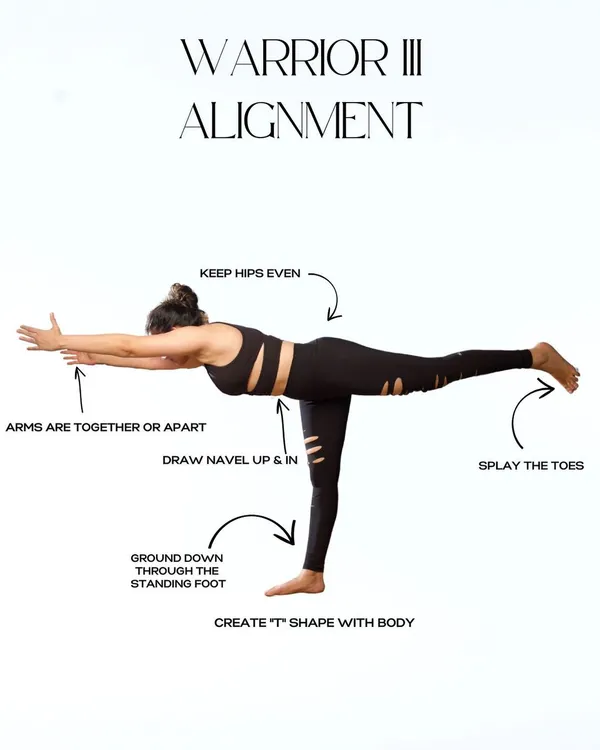
Yoga is not about hitting the perfect pose for the camera. It is about moving in a way that respects your joints and builds a sustainable foundation for life.
Yoga props are not a sign of weakness. They are like a good friend, offering support and stability so you can explore poses more deeply and honestly. Here is how I use them to enhance my practice.
Let's refine your Anjaneyasana (Low Lunge). A common mistake is over-arching the lower back. Instead, focus on engaging your core and tucking your tailbone slightly to protect your spine and deepen the stretch.
In Anjaneyasana, avoid hunching your shoulders up to your ears. Consciously drop the shoulders down and away, creating length in your neck to release tension.
Protect your knees in Anjaneyasana. Instead of pushing the front knee too far forward, make sure it stacks directly above the ankle. This creates a stable and safe foundation for the pose.
Always start your practice with a gentle warm-up. This video demonstrates some simple side stretches and forward folds to prepare your spine and muscles for deeper work.
Teaching the details of Vrikshasana (Tree Pose). I guide my student to keep balancing by pushing the standing leg's ankle, shin, and thigh back to create stability from the ground up.
The foundation of all standing poses is Tadasana (Mountain Pose). Here, I am teaching how to properly ground the feet by lifting the toes, broadening the soles, and then placing them back down with awareness.
An overview of Utthita Trikonasana (Extended Triangle Pose). This graphic explains its benefits, from strengthening thighs and knees to providing therapeutic relief for stress, anxiety, and sciatica.
A graphic explaining Balasana (Child's Pose). It is more than just a resting pose. It's a moment to reconnect with your breath and gently stretch the back, perfect for sequencing between more challenging asanas.
An introduction to Malasana (Garland Pose). This powerful squat is excellent for hip mobility and digestion, and is especially beneficial during pregnancy to prepare for childbirth.
About Asana School: Poses, Alignment & Tips
A lot of people think using a yoga block or strap means they are weak. Maa kasam, it is the exact opposite. Props are like good friends—they hold space for you so you can go deeper into a pose without hurting your knees or back. When I fractured my ankle, I learned that modifying a pose to fit your body, not forcing your body to fit a picture, is the only way to build a sustainable practice. Whether you are struggling to keep your balance in Tadasana or finding your depth in a low lunge, the goal is to align your body with intention, not ego.
Beyond the Surface
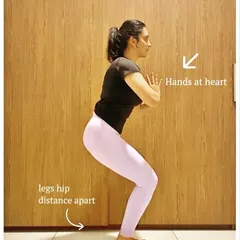
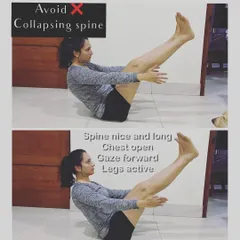
Alignment is not just about aesthetics. It is about energy flow and safety. When I teach, I focus on the small, unglamorous details—like tucking your tailbone in Anjaneyasana to protect the lower back or broadening your soles in Tadasana to ground your energy. If you hunch your shoulders to your ears, you are carrying tension, not releasing it.
Practical Asana Guides
- Malasana (Garland Pose): This is one of my favourites for hip mobility and digestion, especially for my prenatal students. But remember, if you have knee pain or have had hip surgery, do not force it. Listen to your body.
- Anjaneyasana (Low Lunge): Stop over-arching your spine. Engage your core, keep your knee stacked above your ankle, and let your shoulders drop. You will feel the difference in your stretch immediately.
Why Practice with Props?
Using a bolster or a wall rope is not a shortcut. It is a tool for awareness. In my Faridabad studio, I use tactile adjustments to help students understand where their spine should be. Online, we use props to compensate for the lack of hands-on correction. It is all about finding the same outcome—stability and peace.
Yoga is a sadhana, not a performance. If you are ready to learn the 'why' behind the movement rather than just copying poses, join me on the mat. Hari Om Tat Sat.
Similar work from other experts
Browse through Curated picks from other experts on mytribe
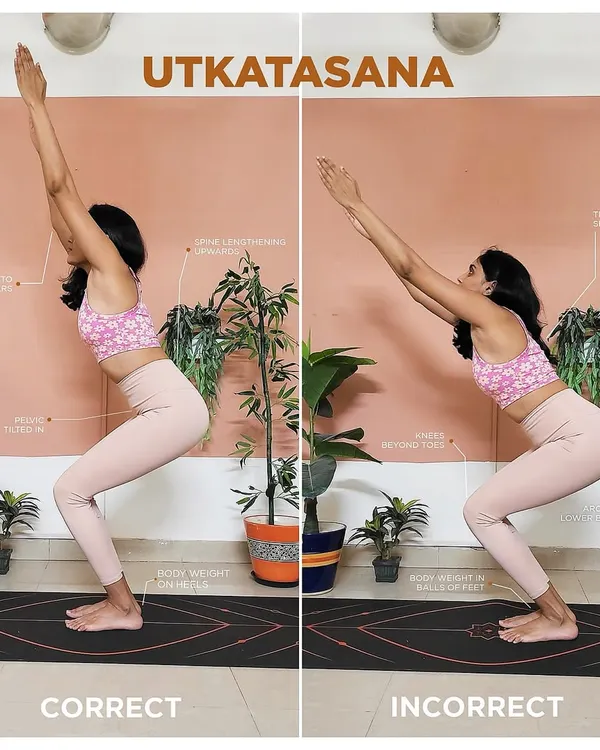
Guided Yoga Asana Tutorials for Correct Alignment
Mastering Yoga Asanas with Correct Alignment
Step-by-Step Yoga Asana Tutorials
Foundation & Alignment: Perfecting Your Yoga Poses
 4
4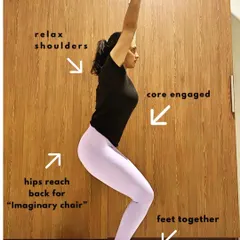
Yoga Pose Alignment: Master Your Practice Safely
 16
16
Master Your Yoga Pose Alignment and Safety
More from Prenatal & Postnatal Yoga (Garbhsanskar) by Swati
More services by Swati