Guided Yoga Asana Tutorials for Correct Alignment
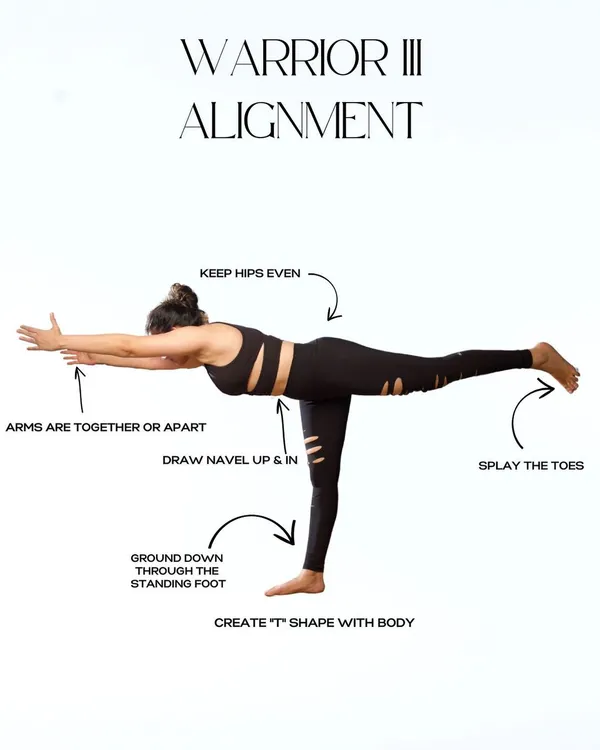
Mastering yoga isn't about performing complex shapes—it's about the alignment that gets you there safely. These step-by-step tutorials help you build a solid foundation, regardless of your experience level.
Adho Mukha Svanasana (Downward-Facing Dog) is a cornerstone of yoga. I break down the alignment, explaining the hand and foot placement to achieve that straight line from your wrists to your hips for a full-body stretch.
Eka Pada Adho Mukha Svanasana (One-Legged Downward-Facing Dog) builds on the foundation of Downward Dog. It strengthens the arms and core while opening the hips, and serves as a great inversion for beginners.
Parivrtta Adho Mukha Svanasana (Revolved Downward-Facing Dog) adds a deep spinal twist to the classic pose. This intermediate variation challenges your balance and provides a great stretch for the shoulders and hamstrings.
Pinchamayurasana (Dolphin Pose) is an excellent preparation for forearm stands and a deep hamstring stretch. I guide you through walking the feet in to intensify the stretch and build shoulder strength.
Dandayamana Bharmanasana (Bird-Dog Pose) is a beginner-friendly balancing pose that stabilizes the core and spine. I explain how to extend the opposite arm and leg while keeping the core engaged to prevent arching the back.
Ardha Kati Chakrasana (Half Wheel Pose) is a simple standing side bend. This tutorial focuses on lifting the arm up first to create length before bending to the side, ensuring a deep stretch along the torso.
Tiryaka Tadasana (Swaying Palm Tree Pose) is another standing side bend that improves spinal flexibility and balance. I emphasize keeping the hands interlocked and arms straight to get the full benefit.
Parighasana (Gate Pose) is a kneeling side stretch that opens the side body and stretches the inner thigh of the extended leg. I also provide a modification using a knee pad for those with sensitive knees.
Supta Paschimottanasana is a reclining forward fold that deeply stretches the hamstrings and back. I show how to lift the hips and bring the knees towards the forehead for an intense but supported stretch.
Supta Virasana (Reclining Hero Pose) is an intense stretch for the quadriceps and ankles. I demonstrate the progression from Vajrasana to Virasana and then safely reclining back onto the elbows or the floor.
About Master the Asanas: Pose Tutorials
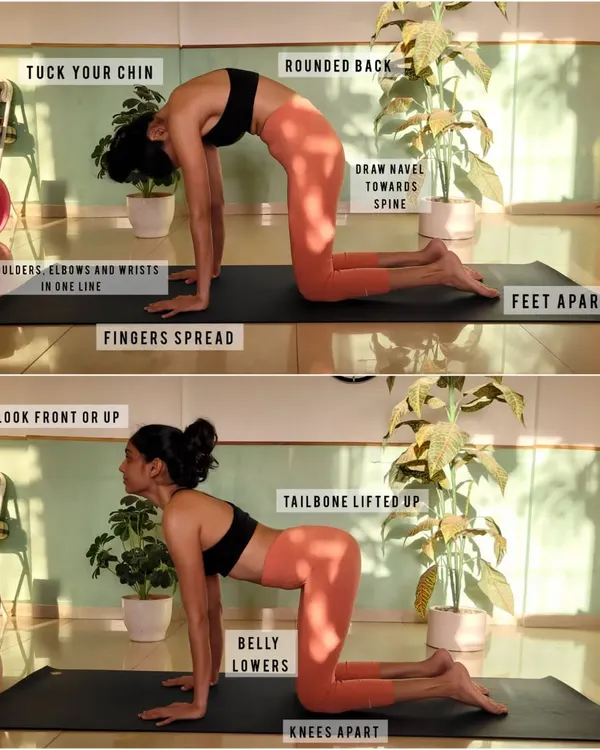
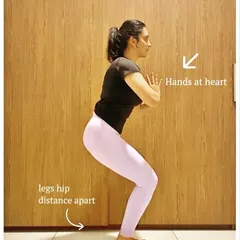
I don't just show you how a pose looks; I show you how it should feel. In these tutorials, I break down the specific hand and foot placement—like keeping your spine straight in Adho Mukha Svanasana or using blocks for support—so you can safely build your practice without forcing your body beyond its current limits.
Building a Safe Foundation
Alignment is the difference between yoga as a therapeutic practice and yoga that causes injury. In my tutorials, I focus on the micro-movements that many people miss. Whether we are practicing Eka Pada Adho Mukha Svanasana to build core stability or Parivrtta Adho Mukha Svanasana to safely twist the spine, the goal is always to create length before deepening the shape.
Why Detailed Tutorials Matter
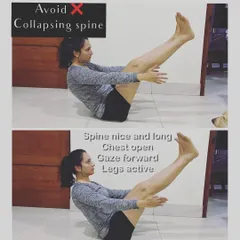
When you follow generic videos, it is easy to round your back or lock your joints. My '100 Asanas' series is designed to fix those specific errors.
- Step-by-Step Breakdown: We move from the setup to the final hold, checking your joint alignment at every stage.
- Contraindications: I always explain who should avoid a specific pose (e.g., those with high blood pressure or wrist injuries), ensuring you know your limits before you start.
- Prop Usage: You don't need a studio to practice. I show you how to use household items like cushions or towels to modify poses for your specific anatomy.
How to Use These Guides
Treat these sessions as a dialogue with your own body. If you feel sharp pain, stop. Listen to that internal cue. If you are struggling with a specific sequence, focus on the foundation first. Remember what I tell my students in class: nimma bennannu straight aagi itkolli (keep your back straight). Consistent practice with the right form is more effective than forcing a difficult pose.
Similar work from other experts
Browse through Curated picks from other experts on mytribe
Step-by-Step Yoga Asana Tutorials
 29
29
Yoga Pose Tutorials & Alignment Guides
 4
4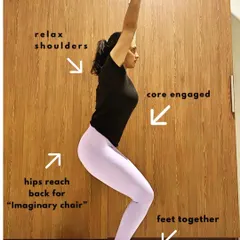
Yoga Pose Alignment: Master Your Practice Safely
Mastering the Asanas: Step-by-Step Yoga Tutorials
Master Difficult Yoga Poses with Step-by-Step Guides
Mastering Yoga Asanas with Correct Alignment
More from Yoga for Flexibility & Mobility by Yoga for Cure
More services by Yoga for Cure