The Pottery Process: From Raw Clay to Finished Art
Pottery is a dialogue between your hands and the earth. At Studio Karva, we strip back the noise and focus on the fundamental steps of creating with clay.
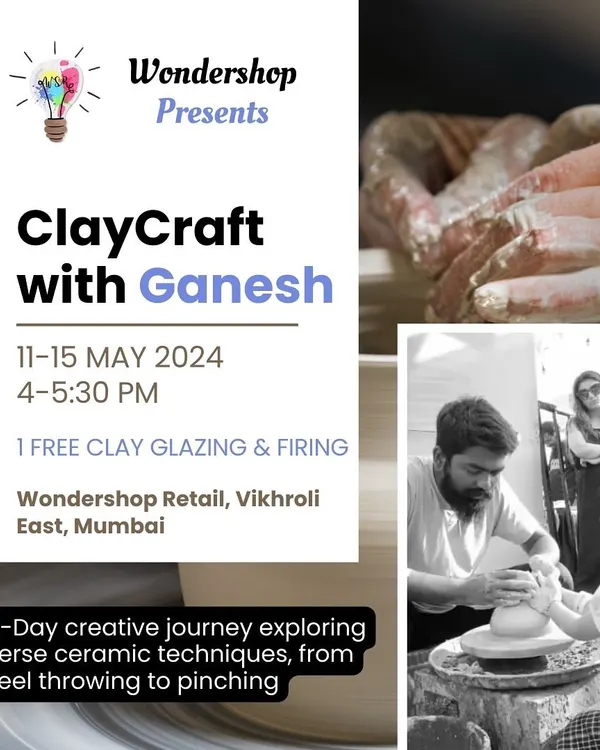
This poster announces one of my special occasion workshops, offering an introduction to both hand modelling and wheel pottery. These immersive sessions are a great way to dive into the world of clay.
Wedging is the essential first step in preparing clay for pottery. This video shows participants in a weekend workshop learning how to knead the clay to remove air bubbles and create an even consistency.
Here is another look at the wedging process. It is a physical and rhythmic activity that helps the potter connect with the clay before starting to build or throw.
About The Process: From Lump to Art
Before you even touch a potter's wheel, you have to learn the rhythm of wedging. It is not just about removing air bubbles from the clay; it is a physical meditation that preps both the material and your mind. Most beginners expect to jump straight to throwing, but spending those first ten minutes working the clay properly is exactly what makes your final piece hold its shape in the kiln without cracking.
Understanding the Cycle
When you join a session at my Govandi studio, we do not skip the basics. The process begins with the clay itself. We use stoneware and terracotta, teaching you how to prepare the medium so it responds to your touch rather than fighting it.
The Steps We Cover
- Wedging: The foundation. We teach you to knead the clay to ensure a uniform consistency. Without this, your pots will likely collapse or crack in the kiln.
- Hand-building: For those who want to feel the structure, we use techniques like coiling, pinching, and slab work. This is where you can build mugs, bowls, or sculptural pieces at your own pace.
- Wheel Throwing: This is the dance. We guide you on centering the clay and opening the form. It requires patience and a light touch, but the result is always worth the practice.
After the Session
People often ask what happens after the workshop. Once you leave, your pieces remain with us. They need time to dry slowly, followed by the first firing, known as bisque firing. This hardens the clay, making it ready for glazing. Because this takes time, you can usually collect your finished work 3 to 4 weeks after your session. It is a slow process, but that is part of the joy of working with earth.
Similar work from other experts
Browse through Curated picks from other experts on mytribe
 4
4Clay and Ceramics Workshops in Mumbai
Beginner Pottery Courses in Prabhadevi
Pottery Workshops for Beginners in Mumbai
The Potter's Craft: From Clay to Ceramic Art
 117
117

Your First Steps in Pottery
Pottery Workshops in Bandra: Create Your Own Ceramics
More from Private Pottery Events by Studio Karva
More services by Studio Karva