The Science of Pilates: Understanding Intelligent Movement
Pilates is more than just a workout; it is a system built on anatomy, breath, and precision. By understanding the science of how your body moves, you can stop guessing and start building real, functional strength.
This video explains the six core principles of Pilates: Breath, Concentration, Control, Centering, Precision, and Flow. Mastering these is the key to a complete coordination of body, mind, and spirit.
This diagram of the abdominal muscles shows the core anatomy we focus on in Pilates. A strong core is essential for balance, flexibility, and protecting your spine from injury.
Your posture is a direct reflection of your spine's health. This graphic illustrates different pelvic tilts and how a neutral spine reduces strain and prevents long-term issues.
What are anatomical planes? This graphic introduces the three main planes of movement, which help us understand and break down complex exercises for smarter training.
This short video explains a common mistake in hand placement. Bringing your thumbs together helps distribute weight evenly, protecting your wrists and enhancing muscle engagement.
Pilates engages both fast-twitch and slow-twitch muscle fibers. This makes it a powerful workout for building strength, endurance, and control simultaneously.
Did you know each color of the Reformer springs corresponds to a different level of resistance? Understanding this is key to optimizing your workout for control and strength.
Pilates strengthens from the inside out. It trains the body's inner support system first, creating a foundation of power that reflects outward in how you move.
Breath creates stability. In Pilates, we use intentional breathing to activate the core, which helps your body move with greater balance and control.
What does core support really mean? It's about deep, coordinated muscle engagement that stabilizes your entire body, not just superficial abs.
About The Science of Pilates: How It Works
We focus on the 'why' behind every movement. For example, if you're struggling with wrist strain on the reformer, we don't just tell you to push harder; we show you how bringing your thumbs together shifts the load and protects your joints. This level of anatomical attention is exactly what helps our clients prevent injury, gain confidence, and actually progress toward their goals.
At SRA Pilates, we believe that fitness should be intelligent. We don't believe in mindless reps—we believe in understanding your body's mechanics. When you train with us in Bandra or Chembur, you are learning how your core muscles, like the transverse abdominis, act as a corset to stabilize your spine.
We break down the six principles—Breath, Concentration, Control, Centering, Precision, and Flow—not as abstract concepts, but as practical tools you use every session. Whether you are using our Balanced Body Reformers, the Cadillac for specialized rehab, or the MOTR, you’ll start to see how your posture changes and why you feel stronger outside the studio.
Our approach is rooted in genuine rehabilitation and conditioning. We see clients with everything from chronic back pain to athletic conditioning needs. By applying biomechanical principles—like understanding agonist and antagonist muscle groups—we help you move with greater fluidity. It’s not just about the equipment; it’s about learning to move your body as it was designed to function. For those looking to dive even deeper, our Gyrotonic method training offers another layer of spinal health and joint mobility, making us the first studio in India to offer this integrated system.
Similar work from other experts
Browse through Curated picks from other experts on mytribe


Understanding the Pilates Method: A Clinical Approach
The 'Align with Saba' Method: Control & Precision
Move Smarter, Not Harder: Master Your Pilates Form in Juhu
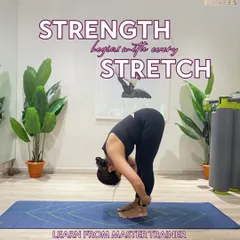
Mastering Pilates Principles and Technique
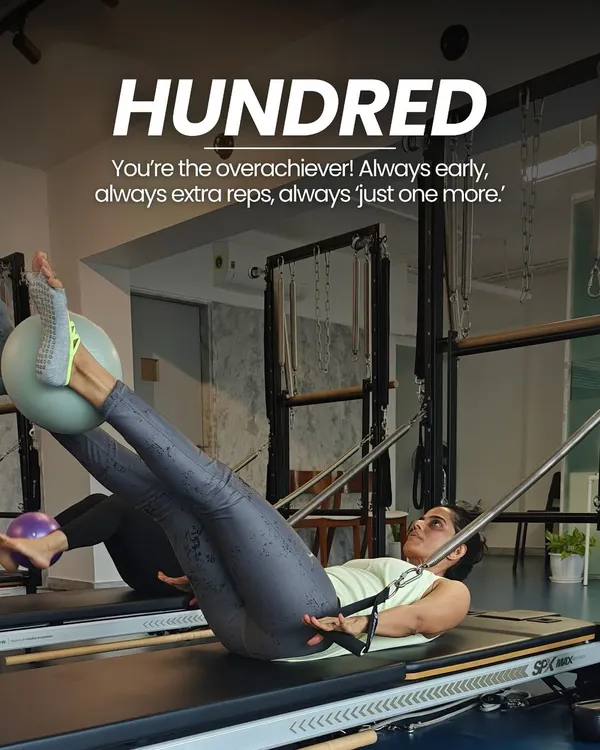 20
20
Master the Moves: Reformer Pilates at Flow House
Master Your Movement: Precision Pilates Training
More from Pilates Training by SRA Pilates
More services by SRA Pilates