Understanding the Pilates Method: A Clinical Approach
Pilates is often misunderstood as just another fitness trend. I explain how this movement science actually works to rebuild strength and improve your body awareness.
People often ask me about the difference between Pilates and Yoga. In this video, I explain the key distinctions, from Pilates' focus on core strength and specific breathing techniques to its use of specialized equipment.
Pilates is for everyone, from seasoned athletes to absolute beginners. I explain why you should try Pilates, highlighting its gentle, full-body approach that improves posture and connects mind and body.
"Is Pilates a new form of Yoga?" It's a common question. This post explains the different origins and intent, highlighting Pilates as a modern movement science focused on functional strength and spinal alignment.
Here are five interesting facts about Pilates, giving you a quick look into the history and benefits of this unique exercise method.
Fact 1: Pilates was originally called 'Contrology' by its founder, Joseph Pilates, because of its emphasis on using the mind to control the muscles.
Fact 2: An hour of Pilates can boost your metabolism and continue to burn calories throughout the day because it builds lean muscle mass.
Fact 3: Joseph Pilates first developed his method to rehabilitate bedridden soldiers during World War I, using springs from their beds as resistance. This is the origin of the reformer.
Fact 4: Every Pilates move is designed to work the entire body as an integrated system, rather than isolating individual muscles.
Fact 5: Pilates is a form of resistance training, using either your own body weight or the spring-based tension of the equipment to build strength.
A duplicate of image 86, reinforcing the rehabilitation origins of Pilates.
About Understanding the Pilates Method
Many people assume Pilates is just for flexibility, but at its core, it is resistance training that uses spring tension or body weight to challenge your muscles. In my sessions, we focus on specific biomechanics rather than just repeating movements, ensuring you are not just getting stronger, but moving with better alignment to avoid injury.
Pilates is frequently compared to Yoga, but the two practices serve different purposes. While Yoga emphasizes static poses and spiritual connection, Pilates is a modern movement science. It focuses on functional strength, spinal alignment, and controlled flow.
When you join a session, we prioritize the why behind every movement. This is what we call re-education for your nervous system. Whether you are recovering from a slipped disc or fighting chronic back pain from a desk job, the goal is to build a body that supports itself without constant physical therapy.
Key elements of my clinical approach include:
- Core Activation: We engage the deep muscles, specifically the transversus abdominis and pelvic floor, which act as your body’s natural corset.
- Resistance Training: Whether it is a mat session or reformer class, we use controlled resistance to build lean muscle mass.
- Postural Precision: You learn to identify and correct imbalances, like rib flare or pelvic tilt, which often lead to long-term pain.
My sessions are built around your specific needs. If you are struggling with Diastasis Recti postpartum or need to manage chronic stiffness, we adapt the repertoire to ensure you are progressing safely. The aim is to make you feel energetic and confident in your own skin, rather than just chasing a weight-loss goal. You are not just working out; you are learning how your body functions.
Similar work from other experts
Browse through Curated picks from other experts on mytribe
 21
21
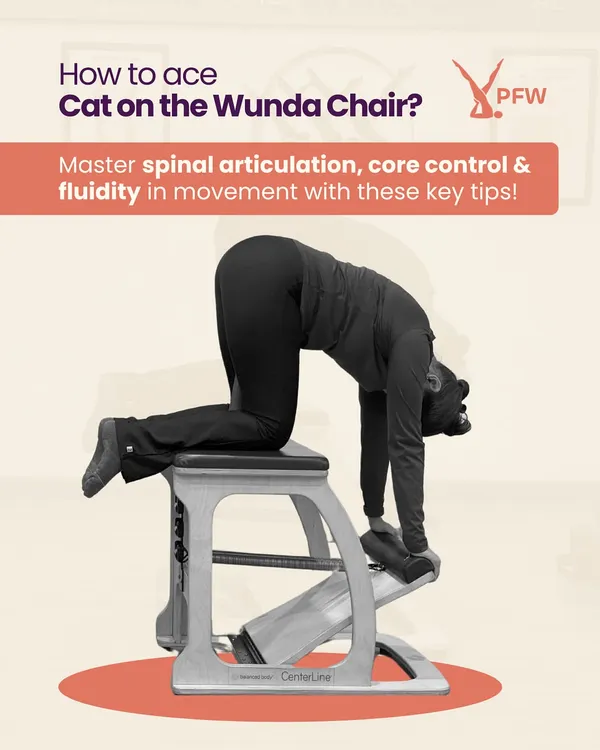
The Pilates Method: Form & Technique
The PhysioPilates Method
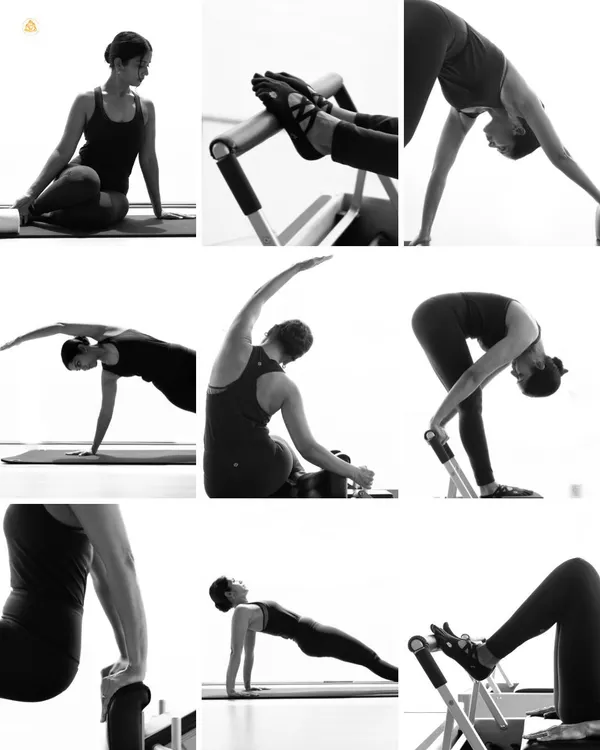
Foundational Pilates Movements & Techniques
 63
63
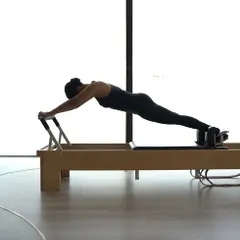
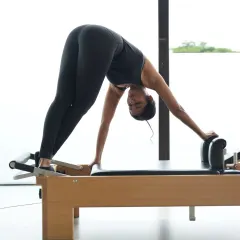
The Classical Pilates Method in Motion
The Science of Core Strength and Spinal Health
 24
24
Essential Classical Pilates Exercises and Techniques
More from Pilates Classes & Rehabilitation by Aditi Singh
More services by Aditi Singh