Adaptive Reuse Architecture in Bengaluru
The most sustainable building is the one that is already built. We transform existing structures into vibrant, modern spaces while honouring their history.
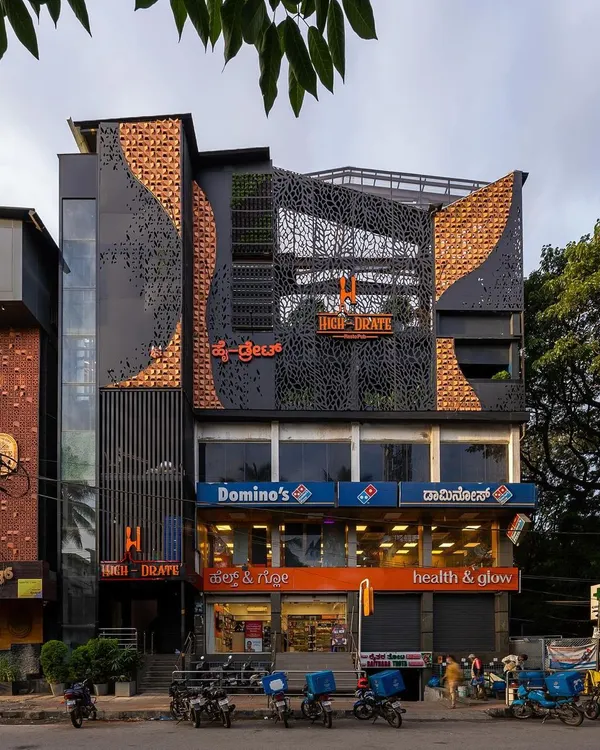
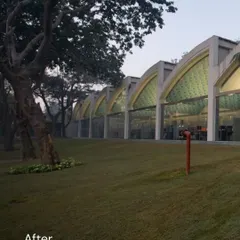
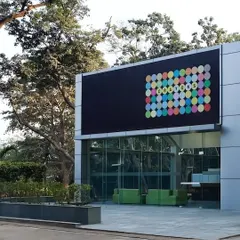
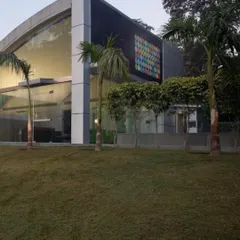
This video documents the complete transformation of an old commercial building in Bengaluru. We stripped it back to its bones and wrapped it in a new, high-performance facade, creating a LEED-certified, sustainable building solution fit for modern, data-driven businesses.
The Cinnamon store in Bengaluru is an example of adaptive reuse on a historic property. We preserved the colonial-era character of the building while converting it into a contemporary retail space, demonstrating how old and new can coexist beautifully.
Engaging with students on the principles of adaptive reuse is crucial. This session explored the balance between the economic value of a property and its socio-cultural potential, a key consideration in my approach to sustainable urban development.
About Adaptive Reuse: Breathing New Life into Old Structures
Adaptive reuse goes beyond simple renovation. We start by auditing the existing building’s bones—structural integrity, light flow, and historical significance—to see how they can serve modern needs. This is not just about preserving a facade; it is about rethinking how spaces can breathe and function in a data-driven world.
When we approach an adaptive reuse project, we treat the existing building as a collaborator. The process begins with a rigorous structural audit to determine what must be retained and what can be reimagined. Whether it is a colonial-era property like the Cinnamon store or a commercial structure from the 80s needing a LEED-certified upgrade, our focus remains on spatial reconfiguration and material efficiency.
We analyse sun paths, wind direction, and existing masonry to upgrade the structure’s performance without erasing its memory. Our work involves designing new external skins for better light filtration, integrating modern HVAC systems into old building frameworks, and creating flexible floor plans that adapt to current commercial or residential needs. By choosing to reuse, we reduce the carbon footprint of new construction and retain the socio-cultural texture of the city. We invite you to discuss your property's potential for transformation, whether you are looking to modernize an office, revive a heritage home, or rethink a public space.
Similar work from other experts
Browse through Curated picks from other experts on mytribe
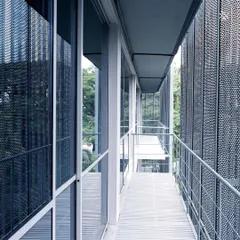
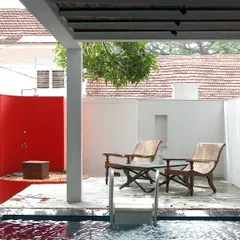
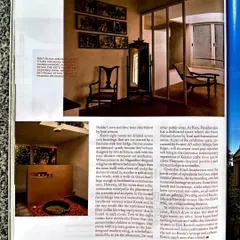
Adaptive Reuse and Heritage Conservation Architecture
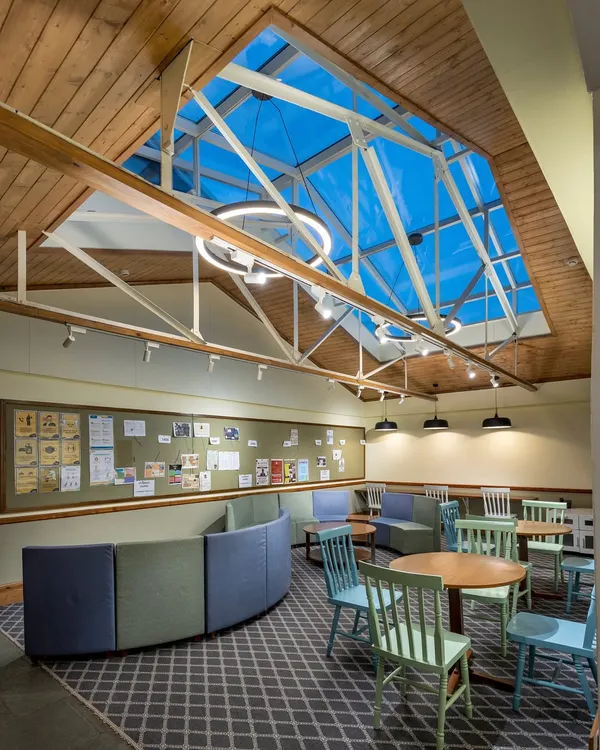 11
11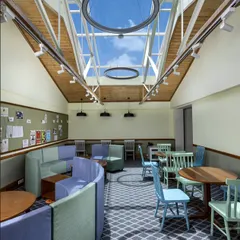
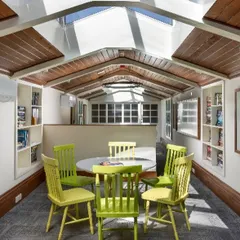
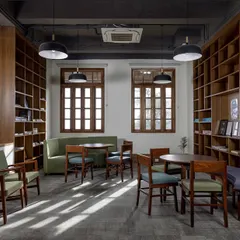
Adaptive Reuse Architecture and Heritage Retrofitting
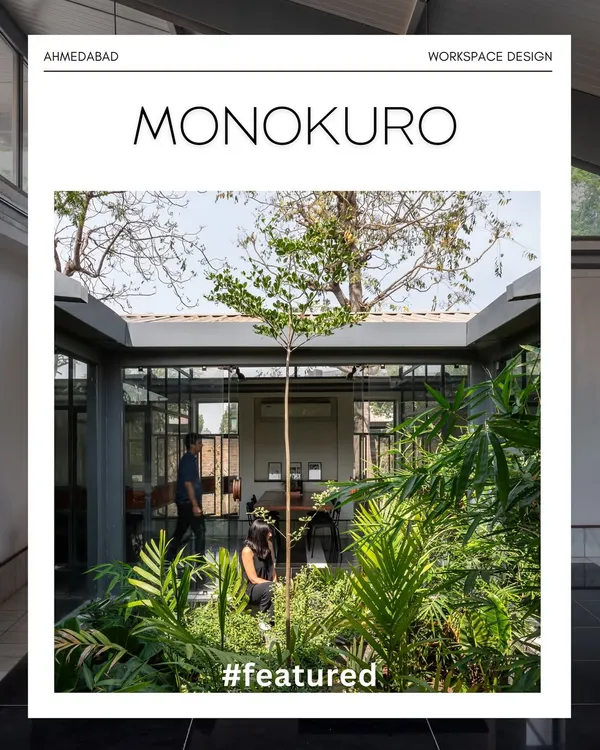 11
11
Adaptive Reuse & Heritage Conservation Architecture
 7
7
Architectural Transformations: From Old to Bold
Adaptive Reuse: Transforming Industrial Structures
 28
28
Commercial Architecture & Adaptive Reuse in Bengaluru
More from Architectural Design by Soumitro Ghosh
More services by Soumitro Ghosh