Adaptive Reuse: Transforming Industrial Structures
We believe new possibilities often hide in what already exists. This project demonstrates how a neglected industrial shed can be reimagined into a thriving, modern office that respects its history while serving contemporary needs.
A video showing the "Before" state of the industrial shed in Okhla. These images of the dilapidated brick structure set the stage for its dramatic transformation.
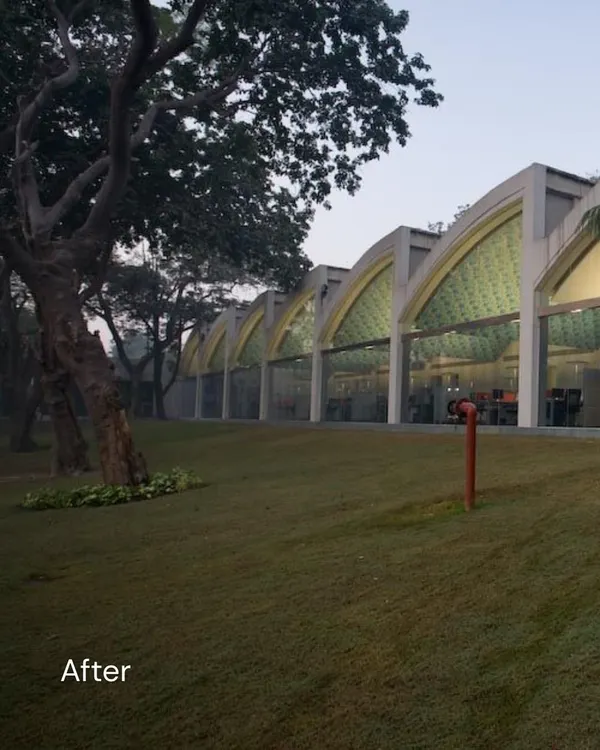
The "After" view of the transformed Okhla shed. The original arched bays are now filled with glass, opening the building to the landscape and creating a stunning architectural rhythm.
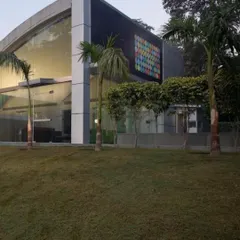
The new entrance of the repurposed Okhla office. A modern facade with a colorful art installation contrasts with the surrounding trees, signaling the building's creative new identity.
An exterior shot of the finished adaptive reuse project, nestled among lush greenery. The design respects the natural context while giving the old structure a contemporary and functional purpose.
The interior of the Okhla office, where a colorful patterned ceiling contrasts with the open-plan workstations. The large arched window provides an uninterrupted view of the green outdoors, embodying our "Care for Context" philosophy.
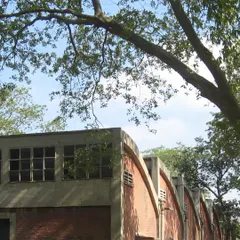
An exterior shot of the original brick facade of the Okhla shed, surrounded by nature. This image represents the starting point of our design journey, listening to the story of the site.
About Adaptive Reuse: A Story of Transformation
The most critical decision here was to retain the existing industrial shell rather than clearing the site. By working within the original brick framework, we reduced demolition waste and preserved the rhythmic arches of the building, which ultimately became the defining feature of the new office layout.
Adaptive reuse is about more than just aesthetics; it is a discipline in resourcefulness. When we approached this Okhla shed, we saw an opportunity to honour the building's industrial past while modernizing it for a professional environment. The process required a structural assessment to determine how the original load-bearing elements could support a modern glass facade, effectively bridging the gap between historical character and current utility.
We introduced floor-to-ceiling glazing along the bays to flood the interior with natural light and foster a connection with the surrounding landscape. Inside, we balanced the raw textures of exposed brick with vibrant ceiling patterns and modular workstations. This proves that you do not need to start from scratch to build a productive, creative environment.
This approach offers several practical advantages for commercial property owners:
- Cost Efficiency: Retaining the primary shell saves significantly on structural concrete and masonry expenses.
- Sustainability: Repurposing structures dramatically lowers the carbon footprint compared to new construction.
- Unique Character: The architectural narrative provided by a historic structure is difficult to replicate in a modern build.
We apply this same philosophy to all our projects, from corporate headquarters to hospitality hubs. Design should not just occupy space; it should evolve with it.
Similar work from other experts
Browse through Curated picks from other experts on mytribe
 5
5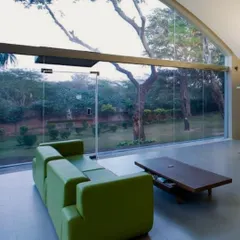
Adaptive Reuse Architecture: Breathing New Life into Old Spaces
 11
11
Adaptive Reuse Architecture and Heritage Retrofitting
 11
11
Architectural and Adaptive Reuse Projects
 11
11
Adaptive Reuse & Heritage Conservation Architecture
Adaptive Reuse and Heritage Conservation Architecture
 27
27
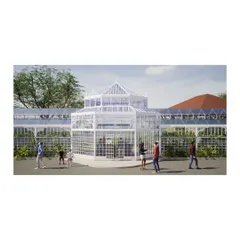
Adaptive Reuse & Heritage Landscapes
More from Commercial Interior Design by Studio IAAD
More services by Studio IAAD