Master Headstands and Inversions Safely
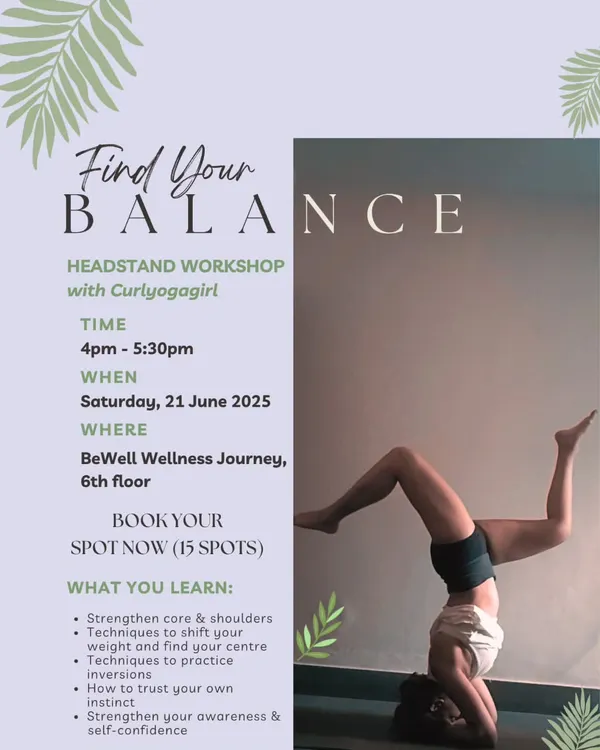
Going upside down isn't just about strength, it’s about control and letting go of fear. Whether you are working on your first lift or refining your technique, we focus on safe, step-by-step progressions to help you find your balance.
Here are three essential drills for a stronger headstand. We practice dolphin pushups, scapula lifts, and controlled walk ins to build the right muscle engagement before lifting off.
This is my 8 step guide to learning a headstand. Each step builds on the last, ensuring you develop strength and control. Remember to get comfortable with one step before moving to the next.
Do you kick up into your headstand? Using strength instead of momentum is key for control. This video shows how to work towards a half headstand first, bringing the knees to the chest to build core awareness.
If tight hamstrings make it hard to align your hips over your shoulders, using a block or a stool can help. This video shows how props can help you find the correct alignment to lift off with control.
The fear of falling can hold you back. In my workshops, we learn how to roll out of a headstand safely. This drill helps your body remember how to relax and roll, just like we did as kids.
Let's learn the Tripod Headstand. I break down the key points: finding the crown of your head, creating a stable triangle with your hands, and engaging your shoulders to protect your neck.
Once you're comfortable in a Tripod Headstand, you can play with different entries. This video shows three ways to lift into the pose, from a tuck to a straddle press.
This is a fun and challenging transition from Crow Pose to Tripod Headstand. The key is to shift your gaze and control the descent, using your core and arm strength to move smoothly.
Bringing Padmasana (Lotus Pose) into your headstand requires hip flexibility and a lot of control. This tutorial shows how to safely enter Padma Sirsasana, one leg at a time.
The Zombie Press is a fun challenge that tests your core strength and control. If you're comfortable with a pike press headstand, give this variation a try.
About Inversion & Headstand Workshops
I teach these inversions using an engineer's approach, breaking complex poses into 3 to 4 manageable stages: prep, entry, hold, and exit. You do not need to be fearless on day one. We use wall support, cork blocks, and active physical spotting to make sure you know exactly how to fall safely before you ever attempt a full, independent lift-off.
Building Strength and Confidence
Going upside down can be intimidating, but it is often more of a mental hurdle than a physical one. In these workshops held across Bangalore studios, including my sessions at Good Move Wellness, we focus on the mechanics of the body rather than just forcing a pose.
The Workshop Approach
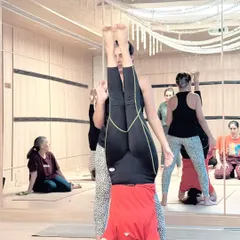
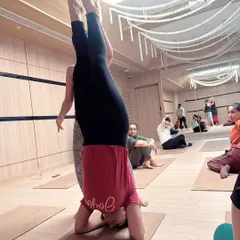
My sessions are designed for real progress. We begin with 20 to 30 minutes of mobility drills to wake up the wrists, core, and shoulders. From there, we move into the technical breakdown of the pose. Whether we are tackling Sirsasana (headstand) or Pincha Mayurasana (forearm stand), I provide direct physical spotting so you never have to worry about crashing. We use props like cork blocks and wall space to ensure proper alignment before you ever try to balance in the center of the room.
Who This Is For
This is for anyone with a regular practice who wants to stop relying on momentum and start using controlled strength. Whether you are currently stuck on the wall or just looking to refine your technique, we keep the group size small (10 to 15 students) to ensure everyone gets feedback. We work on:
- Drills: Dolphin pushups and scapula lifts to build shoulder stability.
- Technique: Understanding where your center of gravity sits.
- Safety: Learning how to roll out and exit a pose with control.
Ultimately, it is okay if you wobble. Some days you nail the pose, and some days you just practice the entry. Both are valid. My goal is to make sure you leave feeling more capable than when you walked in.
Similar work from other experts
Browse through Curated picks from other experts on mytribe
 10
10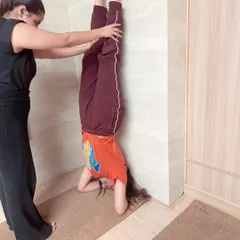
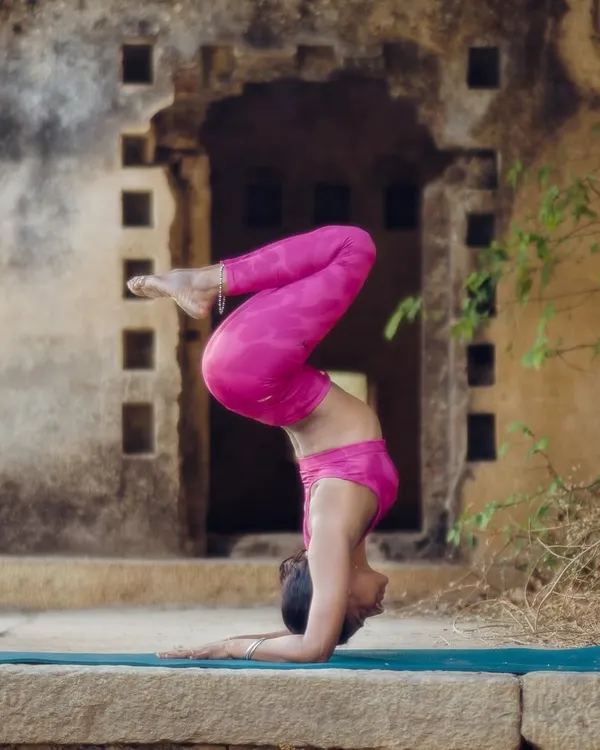
Safe Headstand & Inversion Workshops
 89
89Inversions: Finding Balance Upside Down
Mastering Headstands and Handstands: A Consistent Practice
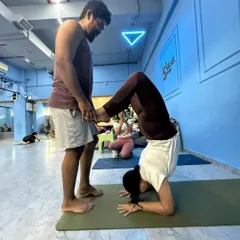
Master Inversions and Arm Balances with Confidence
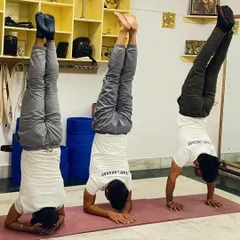
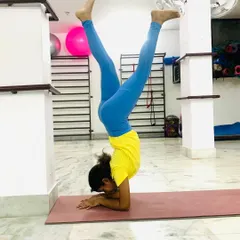
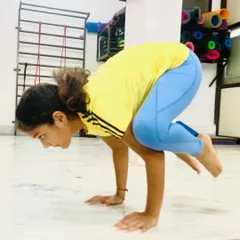
Advanced Inversions & Arm Balance Yoga in Paschim Vihar
Handstand & Inversion Workshops
More from Advanced Yoga Workshops by Saumya Mishra
More services by Saumya Mishra