My Daily Sadhana: A Journey Into Ashtanga Yoga
For me, the mat is where I find balance. This is a look into my daily practice—moving through the discipline of Ashtanga to build structure within.
It’s just practice. Simply practice. To the best of our ability. Keep going. Bit by bit, step by step, breath by breath. The depth of this practice reveals itself over a long period of time. So trust is important. Trusting the truth that our heart reveals to us. It does not have to make sense to anyone else. It's an inner journey, unique to every person. Keep going. It’s just practice.
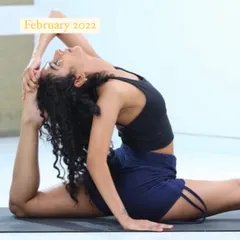
The Kathopanishad states, "A steady control of the senses is considered yoga." This asana, a variation of Eka Pada Sirsasana, is a physical manifestation of that principle, requiring mastery over the body to achieve unwavering control of the mind.
A smile from the heart is a reflection of the self. It is an expression of emotion that doesn't need to be judged. In this Krounchasana pose, I am reminded to smile for everything, good or bad, and simply breathe.
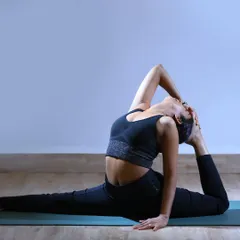
Trying something new can be scary. But the cost of staying the same is often greater. This side-bending posture, Parighasana, reminds me that growth, while uncomfortable, begins with a single, small step forward.
This seated posture, Eka Pada Sirsasana, requires patience and dedication. It teaches me that the journey of growth is not about a giant leap, but about the small, consistent steps we take each day on the mat.
In this pose, Urdhva Mukha Paschimottanasana, I am reminded that growth is uncomfortable. But it is in facing this discomfort that we find our strength and begin to build momentum on our journey of self-discovery.
This reclining posture, Uttana Padasana, requires core strength and stability. It is a physical reminder that true growth comes from building a strong foundation, one small step at a time, even when it feels challenging.
Sometimes we concentrate so much on the details that we forget to enjoy the essence. This practice reminds me to let go of what I am holding onto so strongly and connect with the real essence of the moment.
The true practice is to stop apologizing for the fire within and instead use it to illuminate the journey. This sequence, moving from Malasana into a standing backbend, is an expression of that inner light.
Asana is a tool to bring awareness to our whole being. With steady practice of backbends like Kapotasana and Laghu Vajrasana, we see not just our body, but its connection to the world, transforming the gross into the subtle.
About My Sadhana: A Glimpse into My Practice
You’ll see many asanas in these photos, but my practice isn't about reaching a final, perfect form. It is about how I approach each breath, whether I am holding a simple forward fold or working through a complex backbend. I share these glimpses of my daily routine to show you that consistency and self-compassion matter more than performance—a philosophy I bring to every student I teach.
My path has been unconventional. As an architect, I was trained to design structures from the outside in; in yoga, I found a different kind of architecture. It is about building a sanctuary within myself through the traditional Mysore-style Ashtanga practice.
The Role of Discipline
These images aren't just about poses. They represent the 'tapasya' (austerity or disciplined effort) that I believe is essential for real growth. Whether I am at my home shala in HSR Layout or away on a study trip, the practice remains the constant. It is not about the peak of the pose, but the steady, daily showing up.
My Teaching Philosophy
I teach because I want to pass on what I have learned from my own guru, Sharath Jois. My classes in Bangalore are designed to hold space for that same process. Whether you are a total beginner or an experienced practitioner, I guide you to find your own expression of the Ashtanga sequence. We focus on:
- Mysore Style: Individualised instruction within the group setting, allowing you to learn at your own pace.
- Tristana Method: Integrating breath, posture, and gaze to move from external effort to internal stillness.
- Philosophy: Understanding the 'why' behind the practice, including the chanting and history that make this parampara (lineage) so profound.
Yoga is not something you do and then leave on the mat. It is a way of life, and my hope is that when you join me, you start to see that same structure, balance, and quiet confidence growing in your own life.
Similar work from other experts
Browse through Curated picks from other experts on mytribe
Ashtanga Vinyasa: Authentic Mysore Style Practice
My Personal Yoga Sadhana and Daily Practice
Advanced Ashtanga Yoga Practice in Bangalore

My Daily Yoga Practice: Asanas and Flows for Strength
 39
39My Personal Practice: Advanced Asanas
Traditional Ashtanga Mysore Practice
More from Yoga Workshops & Intensives by Sanjana Sekar
More services by Sanjana Sekar