Ashtanga Vinyasa: Authentic Mysore Style Practice
Real Ashtanga isn't about being flexible; it's about being consistent. Whether you’re learning the Primary series or refining advanced arm balances, we do the work here.
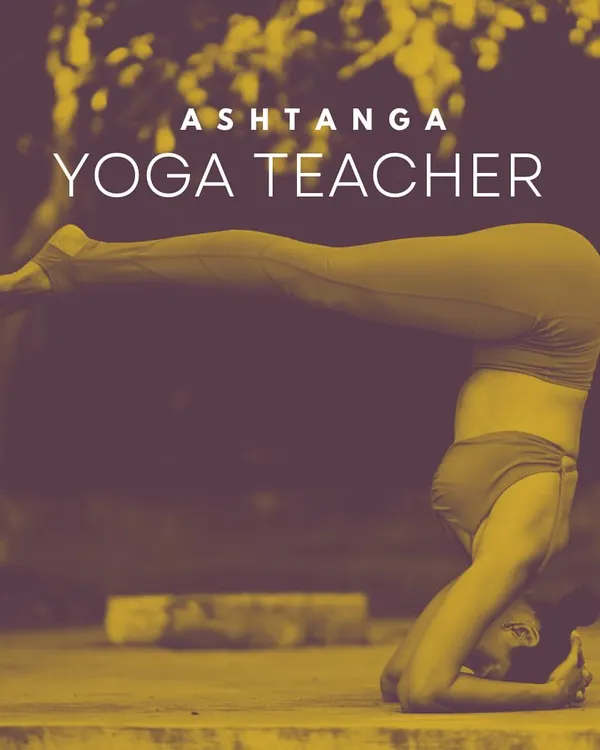
A look at the finishing sequence of an Ashtanga practice. This series of inversions and seated poses is crucial for integrating the energy built during the practice and calming the nervous system before the final rest.
This is a drop back, a key movement in the Ashtanga finishing sequence. It requires a strong, open back and a lot of courage to drop back into Urdhva Dhanurasana and stand back up. It's a testament to consistent practice.
Demonstrating Upavistha Konasana, a seated wide angle forward bend. This pose is excellent for opening the hips and stretching the hamstrings, preparing the body for deeper forward folds and twists found in the Ashtanga series.
This is Urdhva Mukha Paschimottanasana, an advanced balancing pose from the Ashtanga sequence. It requires a great deal of core strength, hamstring flexibility, and focus to hold the balance while stretching intensely.
Bakasana, or Crow Pose, is often one of the first arm balances yogis learn. It's a foundational posture in the Ashtanga primary series that builds upper body strength, core stability, and confidence.
Mayurasana, or Peacock Pose. This is a challenging arm balance that strengthens the wrists, shoulders, and core while also aiding digestion. It's a powerful expression of strength and control.
Strength and growth come from continuous effort. Here, I am working through a vinyasa, moving from a kneeling position into a strong plank, demonstrating the constant effort required in the Ashtanga practice.
A simple challenge to test your back flexibility and strength. This movement, transitioning from a tabletop position into a full wheel and back, is a great way to measure your progress and mobility.
The message is simple: start today. This video shows a full drop back and stand up, a movement that seems impossible at first. But it all begins with the decision to show up and do the work, day after day.
Moving through variations of backbends like Urdhva Dhanurasana and Viparita Dandasana. This sequence shows how different expressions of a pose can deepen the backbend and build comprehensive spinal strength and flexibility.
About Ashtanga Vinyasa: The Practice
I don't use props to make Ashtanga easy. I use them as tools to help you understand the geometry of a pose. Whether you're working on a stiff thoracic spine or just starting with Surya Namaskar, using blocks, ropes, or chairs helps you build the foundation safely before you move into unassisted practice.
My Approach to Ashtanga Vinyasa
I run my classes based on the discipline I learned in Mysore. This isn't a hobby class where you stretch for an hour and leave. It is a systematic, breath-led practice.
Mysore Style vs. Led Sessions
- Mysore Style: This is self-paced. You learn the sequence by heart, move at your own speed, and I provide hands-on adjustments as you go. This is where real autonomy is built.
- Led Primary Series: In these sessions, we move together. We hold the count, sync the breath, and focus on the Vinyasa flow. It is disciplined, structured, and intense.
Why Props Matter
Many people think props are for beginners. In my studio, they are for intelligence. If your hamstrings are tight, you don't force a forward fold and injure your back. You use a block to bring the floor to you. If your shoulders are blocked in a backbend, we use ropes to create traction. This approach makes advanced poses accessible and safe for everyone, whether you are 20 or 60.
The Gurgaon Studio
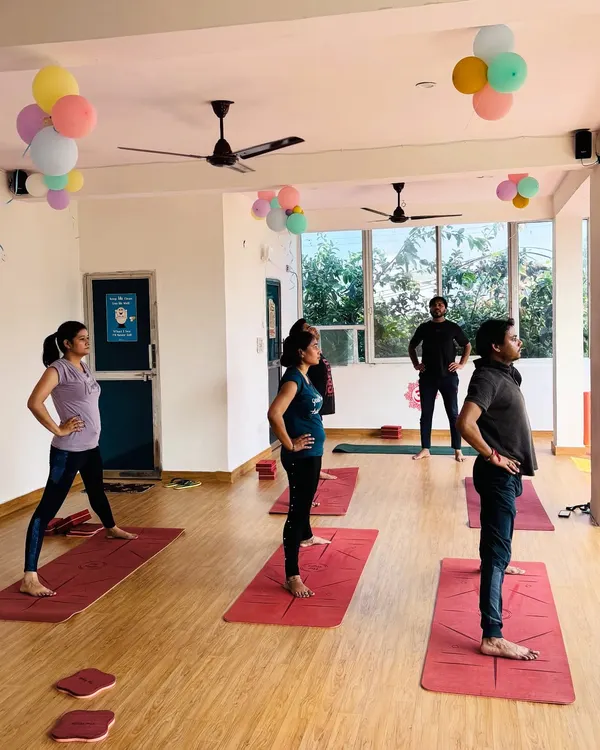
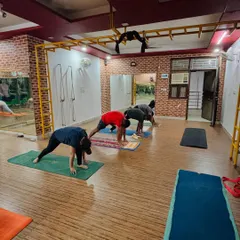
Located in DLF Phase 1, my space is designed for serious practice. We have wooden flooring, climate control, and all the equipment needed for a deep dive into the practice. We keep group sizes small—5 to 10 students—because I need to see what you are doing to guide you properly. If you want to build strength, fix your posture, and get serious about your health, come by and see how the work is done.
Similar work from other experts
Browse through Curated picks from other experts on mytribe
 8
8The Ashtanga Yoga Practice
Ashtanga Vinyasa Yoga in Mysore
 28
28
Master the Ashtanga Primary Series in Delhi
Ashtanga Vinyasa and Dynamic Flows
Ashtanga Yoga Classes in JP Nagar
Traditional Mysore Style & Led Ashtanga Yoga Classes
More from Yoga Instruction by Pratham Aswal
More services by Pratham Aswal