Run Smarter with Expert Sports Physiotherapy
I am Dr. Paridhi Ojha. Whether you are battling a recurring injury or trying to break through a performance plateau, I help you move beyond just running more to training with precision.
This is where we stop guessing and start measuring. I use a high-tech 3D running gait assessment with precise sensors to get a clear picture of your unique running mechanics. We analyze everything from left-right leg imbalances to how your body absorbs impact, giving you a simple ‘Running Report Card’ that pinpoints exactly what we need to work on first.
If you want to run faster, you cannot just run fast all the time. Speed is built strategically. Here, I break down my six non-negotiable essentials to help you increase your pace safely, including posterior chain strength, tempo runs, the 80/20 rule, and proper cadence.
Shin splints are one of the most common and frustrating injuries for runners. In this video, I explain what shin splints, or medial tibial stress syndrome, actually are. I also cover the key strategies for recovery and prevention, from smart progression and strengthening to addressing your biomechanics.
Running is a single-leg sport, with your entire body weight shifting from one leg to the other with every stride. This is why I emphasize unilateral training. Adding single-leg exercises for your glutes, calves, and core prepares your body to handle that load, improving stability and preventing imbalances.
It was a pleasure leading an injury prevention workshop for the Adidas Runners community in Delhi. My goal is to give runners the tools to understand their bodies, train smarter, and stay on the road with confidence. A strong community is a healthy community.
The secret to understanding your run is in the hips, not the shoes. I measure your movement at your body's Center of Mass using a pelvic sensor. This gives us a far more accurate assessment of how your body handles load and absorbs shock compared to sensors on your feet or shins.
Many runners believe that just running is enough, but strength training is a crucial part of any successful program. Every time your foot strikes the ground, your body absorbs two to three times your body weight. Building a strong muscular support system is the key to protecting your joints and becoming a more powerful, efficient runner.
I practice what I preach. Every race is a new opportunity to learn and apply the principles of smart training and injury prevention. This is me during the Tuffman 2025, focused and putting my training to the test.
About Featured
My approach starts with getting the data right. Instead of guessing why your shin or hip hurts, I use 3D gait analysis to measure exactly how your body absorbs impact and where your imbalances lie. You walk away not just with a diagnosis, but with a specific Running Report Card that tells you exactly which muscles to strengthen first to get back on the road safely.
Many runners come to me after months of frustration. They have rested, iced their shins, or changed their shoes, only for the pain to return the moment they pick up their mileage. The issue is rarely the shoe itself; it is the kinetic chain.
When you visit Enkinetik in Greater Kailash-1, we move away from general assumptions. Using professional-grade Runeasi pelvic sensors, I capture your biomechanics at the center of mass. This allows us to see how your pelvis handles shock, detect left-right leg symmetry, and identify energy-wasting movements that do not show up on a standard phone recording.
My programs focus on the runner's chassis. We look at:
- Strength and Conditioning: Building single-leg stability to handle the load of running.
- Load Management: Using the 10% rule to ensure your training volume matches your body's recovery capacity.
- Running Form: Practical cues to adjust your cadence and stride length for better efficiency.
Whether you are training for your first 10k or your next marathon, the goal is the same: sustainability. You do not have to live with nagging pain or accept that injury is an inevitable part of the sport. By identifying your unique weak links through objective data, we stop the cycle of injury and help you build a training plan that actually sticks.
Similar work from other experts
Browse through Curated picks from other experts on mytribe
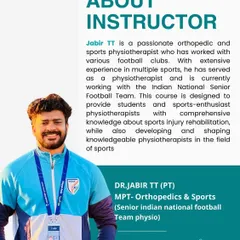
Professional Physiotherapy & Rehabilitation Services
Expert Physiotherapy and Rehabilitation in Delhi NCR
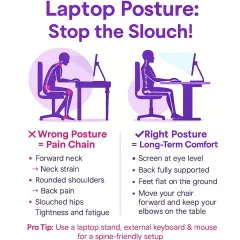
Orthopedic Physiotherapy and Pain Relief in New Delhi
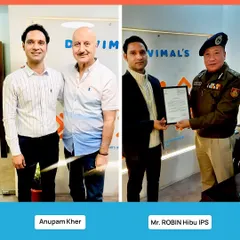
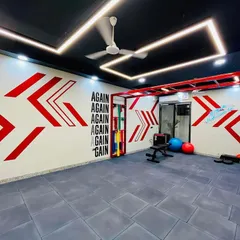
Professional Physiotherapy & Sports Injury Recovery

Expert Physiotherapy and Pain Relief in Delhi
PhysioPilates for Pain Relief and Mobility
More from Running Gait Analysis & Performance Coaching by Paridhi Ojha
More services by Paridhi Ojha