Fueling, Hydration, and Recovery Strategies for Runners
Most runners focus solely on their mileage, but your performance is only as good as your recovery. Here is the science-based approach to nutrition, hydration, and rest to help you run longer, safer, and stronger.
Your run does not end when you stop your watch. How you fuel afterward is critical for recovering faster, feeling stronger in your next session, and reducing your overall injury risk.
After a run, your body's energy stores are low and your muscles have micro-damage that needs repair. Proper fueling kickstarts this recovery process and reduces soreness.
The "refuel window" is most effective within 30 minutes after finishing your run. I advise having a quick snack then, followed by a normal meal within two hours.
The formula is simple: carbs plus protein. I recommend a 3:1 ratio of carbs to protein to replenish energy and repair muscle. Easy options include chocolate milk with a banana or yogurt with granola.
The amount you need depends on your run length and intensity. A hard run over 90 minutes requires significantly more carbs and protein than an easy 45-minute jog.
Hydration is just as important as food. I recommend drinking 500-750 ml of fluid in the first hour post-run, including electrolytes if the run was long or in the heat.
Here I explain how to fuel your body in the week leading up to a race. The key is to stick to familiar foods, practice your race-day nutrition plan, and properly carb-load in the 24-48 hours before the event.
Underfueling, also known as Relative Energy Deficiency in Sport (RED-S), can severely impact your performance and health. It leads to muscle breakdown, a weakened immune system, and hormonal disruption.
Proper hydration is essential for lubricating joints, regulating body temperature, and even improving sleep and mood. Even minor dehydration can significantly hinder your performance.
As a general rule, a healthy adult needs around 35 ml of water per kilogram of body weight each day. The more you weigh and the more you exercise, the more water you need.
About Fueling, Hydration & Recovery Science
Recovery is not just about passive rest. If you consistently struggle with post-run fatigue, your 3:1 carb-to-protein fueling ratio might be missing the mark. Many runners skip the critical 30-minute post-run window, which stalls muscle repair and significantly increases your risk of lingering injury.
Fueling for Performance
Nutrition for runners is not about cutting calories. It is about energy availability. Underfueling, or Relative Energy Deficiency in Sport (RED-S), forces your body into survival mode, breaking down muscle tissue instead of repairing it. I help you calculate your needs based on run intensity and duration.
The 3:1 Rule: For optimal recovery, aim for a 3:1 ratio of carbohydrates to protein immediately after your run. This ensures your glycogen stores are refilled while kickstarting muscle repair. Easy options include a banana with a protein shake or yogurt with granola.
Hydration Science
Hydration goes beyond simply drinking water. Minor dehydration hinders performance, but over-hydration can lead to hyponatremia, a dangerous electrolyte depletion. I help you calculate your specific sweat rate so you know exactly how much fluid you need, rather than guessing.
The Balance of Recovery
Recovery is a physiological process. It is the time when your body actually adapts to the stress of training.
- Passive Recovery: Sleep (7 to 9 hours) is non-negotiable. This is when your body does the heavy lifting of repair.
- Active Recovery: A gentle 15-minute walk or light cycle the day after a hard run increases blood flow, which helps flush out metabolic waste and reduces stiffness better than sitting on the couch.
We will evaluate your current intake and rest habits to ensure they align with your training load.
Similar work from other experts
Browse through Curated picks from other experts on mytribe
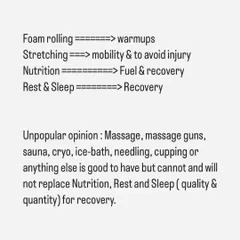
The Science of Recovery: How to Repair and Perform

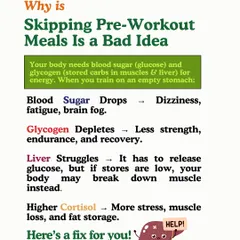
Fueling for Performance: Pre, During & Post Workout
 11
11
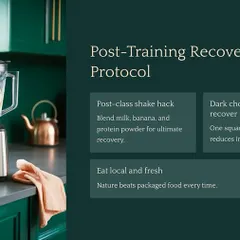
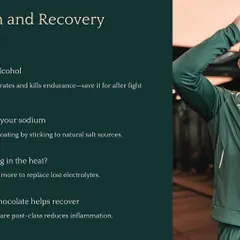
Combat Nutrition and Recovery for Fighters
 22
22Fueling Your Body: Nutrition & Recovery
 7
7


Sports Nutrition and Performance Planning
Running Tips, Form Drills & Recovery Techniques
More from Running Gait Analysis & Performance Coaching by Paridhi Ojha
More services by Paridhi Ojha