Expert Guide to Running Shoes & Treadmill Technique
Stop guessing your gear. Learn how to identify when your shoes are actually failing and how to run on a treadmill without picking up new injuries.
Finding the right running shoe is one of the most important decisions you will make as a runner. I break down the key factors to consider, including comfort, fit, your running terrain, and your specific running style or gait.
Is it time to retire your running shoes? Your shoes are your first line of defense against injury, and their support fails long before they look worn out.
The Mileage Rule is a key indicator. The midsole cushioning in most shoes breaks down after 400-500 miles (700-800 km), transferring more shock directly to your joints.
A visual check of the sole can reveal structural failure. Visible compression wrinkles in the foam mean the shoe can no longer properly support and stabilize your foot.
A visual check of the tread is also important. Uneven wear can create instability, and a flat tread confirms the shock-absorbing foam underneath has failed.
Pain is the final signal. If you start feeling new, specific aches in your feet, shins, or knees, it is a clear warning from your body that your shoes need to be replaced immediately.
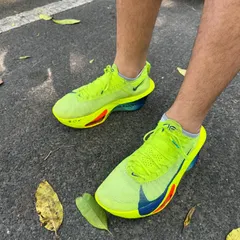
Carbon-plated shoes are a specialized tool, not an everyday trainer. This graphic breaks down their characteristics, including low flexibility, high responsiveness, and instability, which makes them suitable for race day but not for daily training.
I advise runners to use carbon-plated shoes wisely. They are designed for long-distance races and triathlons, but not for slow-paced runs, tempo work, or for runners who are currently injured.
When using a treadmill, always warm up off the machine first. Five minutes of dynamic stretches to activate your glutes and core will prevent tightness and poor form.
Start your treadmill run slowly. Begin with a brisk walk and progress to a light jog before hitting your tempo. This lets your body adjust to the movement of the belt.
About Runner's Gear Guide
Most runners wait until their shoes look destroyed to replace them, but the midsole cushioning often fails after 400-500 miles, long before the tread wears down. If you are feeling new, specific aches in your feet or shins during your runs, it is not just training fatigue; it is a sign your gear has lost its shock absorption and requires an immediate replacement.
Know When to Retire Your Shoes
Your shoes are your first line of defense against injury, but they do not last forever. The shock-absorbing foam in your midsole breaks down significantly between 700-800 km (400-500 miles). Even if the outsole looks intact, the internal structural breakdown forces your stabilizing muscles to work overtime. This shift in mechanics is a leading cause of common issues like shin splints, medial tibial stress syndrome, and knee pain.
Visual Checks:
- Compression Wrinkles: Visible lines in the foam midsole indicate the cushioning has permanently collapsed.
- Tread Wear: If your tread is flat or worn unevenly, your foot stability is compromised.
- Pain Signals: If you develop new aches specifically during runs, your shoes are likely the culprit.
Carbon-Plated Shoes: Use With Caution
Carbon-plated shoes are specialized race-day tools, not everyday trainers. They are rigid and highly responsive, which helps with energy return but sacrifices natural foot flexibility. I advise runners to reserve these for long-distance races or specific speed work. Using them for slow, daily training can cause muscle imbalances and increase injury risk.
Mastering the Treadmill
Many runners treat the treadmill like a stationary bike, holding the rails and staring at the screen. This is a mistake.
- Avoid Rail Holding: This interferes with your natural arm swing and alters your running gait.
- Use a Slight Incline: Set your treadmill to 1-2%. A 0% incline is unnaturally flat and does not mimic outdoor running resistance.
- Warm Up: Always perform 5-10 minutes of dynamic stretching off the machine before starting your run to activate your glutes and core.
If you are unsure if your current shoes match your biomechanics, my clinic in Greater Kailash-1 uses 3D gait analysis to provide objective data on your foot strike and impact loading.
Similar work from other experts
Browse through Curated picks from other experts on mytribe
Gear and Nutrition Strategy for Endurance Athletes
Gym Equipment: Choosing the Right Tools for Performance
Build Bulletproof Legs for Running
 31
31

Training Data and Running Insights
The Science of Running: Strength, Technique & Injury Prevention
 6
6
From Road to Trail: Pro Running Tips
More from Running Gait Analysis & Performance Coaching by Paridhi Ojha
More services by Paridhi Ojha