Free Sports Coaching Guides & Protocols
Knowledge is meant to be shared. Here are the practical warm-up protocols and training calculators I use with pro athletes in the ISL and Pro Kabaddi.
Running requires a proper warm-up to prevent injury and improve performance. I've created a free 10-page guide based on the RAMP protocol. It includes detailed exercises and video links to help you prepare optimally for your runs.
Thinking from first principles helps simplify complex topics. This is the start of a model I use to break down athletic movements into force generation and force absorption.
Understanding the basics of muscle contraction is key. Muscles shorten to generate force (concentric) and lengthen to absorb force (eccentric). This is the foundation of all movement.
Instead of thinking in complex terms, I simplify training by focusing on "Force Generation Bias" and "Force Absorption Bias" movements. This helps in creating a balanced program.
All athletic movements, no matter how complex, can be stripped down to two basic actions: force generation and force absorption. This is the core of my training philosophy.
Think about sprinting. You generate force to hit the ground, and you absorb the force the ground hits you back with. This constant interplay is what we train for.
This thinking model helps clarify training design. Since force generation and absorption happen simultaneously, we train movements with a bias towards one, rather than trying to isolate them.
It's not always practical to test a true 1 Repetition Maximum (1RM). I've created a free calculator to help you find your estimated 1RM from a working set, allowing you to train with the right intensity for your goals.
About Free Guides for Coaches
These resources are not just theory. I built my 10-page RAMP warm-up guide and 1RM calculator to fix the bottlenecks I see daily on the gym floor with my professional athletes. Download the files, apply them to your next training session, and reach out if you want to dive deeper into the science behind these numbers.
Knowledge only helps if you use it in the field. I create these guides because I got tired of seeing coaches struggle with complex sports science that does not actually work when the clock is ticking.
Why I Use These Protocols
- RAMP Protocol: Stop wasting time with static stretching. Raise, Activate, Mobilize, and Potentiate. This is how we prepare athletes for high-intensity work without risking injury.
- 1RM Estimation: You cannot test a 1 Rep Max for every lift every week. My calculator helps you estimate your load from working sets so you can train with the right intensity without burnout.
- First Principles Training: I focus on Force Generation and Force Absorption. If you understand these two concepts, you can build a training program for any sport, from boxing to football.
Who This Is For
These guides are built for S&C trainers, sports science students, and coaches who are tired of guessing. If you have been staring at GPS data and feeling overwhelmed, or if your athletes are getting injured despite your best efforts, these tools are your starting point.
My Coaching Philosophy
I do not just dump data on you. I help you make your gut instinct smarter. Whether it is return-to-play protocols or designing a pre-season camp, the objective is to make your athletes robust. If you find these guides helpful, send me a message. Let us discuss how we can improve your training output.
Similar work from other experts
Browse through Curated picks from other experts on mytribe
Simple Workout Routines and Mobility Drills
Essential Mobility Protocols for CrossFit and Functional Fitness
Foundational Strength & Mobility for Injury-Free Performance
Injury Prevention & Mobility: Train Smart, Stay Strong
Flexibility and Mobility Training
 8
8
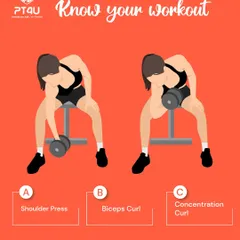
Workout Library: Exercise Guides & Training Tips
More from Professional Development for Coaches by Ranjit Nahak
More services by Ranjit Nahak