The Coach’s Playbook: Sports Science & Performance Insights
Data, drills, and honest talk. I break down my coaching playbook to show you how sports science turns good athletes into elite performers. No fluff, just what works on the field.
Managing training during the competitive season is a balancing act. I discuss how we adapt programs in hotel gyms, focusing on movement patterns over specific exercises to maintain strength and minimize fatigue while traveling.
Athlete well-being is paramount. I explain how we use an Athlete Monitoring System (AMS) to track subjective data like stress, fatigue, and sleep quality to make informed decisions about training load and recovery.
One-size-fits-all endurance training doesn't work. I detail our process for individualizing endurance sessions by using Yo-Yo test scores to calculate each athlete's maximal aerobic speed (MAS) and prescribe personalized running programs.
Individualizing strength training in a large group setting is a challenge, but it's possible. I explain how we use predicted 3-Rep Max (3RM) testing to create individual lifting charts for each player, ensuring everyone trains at the right intensity.
A strong core is more than just abs. I break down the five key functions of the core we train for: stabilization, rotation, anti-rotation, extension, and anti-lateral flexion, and how this functional approach translates to better performance on the mat.
Mobility can be the difference between a win and a loss, or a healthy season and an injury. I explain why mobility is critical for kabaddi players and how we use functional movement screening to create targeted mobility programs.
Speed in kabaddi is about quickness, not just top-end velocity. I discuss how we develop sport-specific speed by focusing on triple extension through drills like short sprints, resisted sprints, and derivatives of Olympic lifts.
Why do we train aerobic capacity for an anaerobic sport like kabaddi? I explain the science behind it. A higher aerobic capacity leads to faster recovery between matches, which is crucial in a tournament format.
The French Contrast Method is a powerful tool for developing strength and power in a short time. I explain the principle of Post-Activation Potentiation (PAP) and how we stack four different exercise types to train the entire force-velocity curve.
Should a strength and conditioning coach be fit? My answer is yes. I believe you must set high standards for yourself before you can demand them from your athletes. Pushing your own physical boundaries is about accountability and earning the right to lead.
About The Coach's Playbook: My Video Series
Theory means nothing if it doesn't solve a real problem on the field. In this video series, I don't just dump raw data on you. I show you the exact process I used with teams like the Haryana Steelers to manage player fatigue in tiny hotel gyms, or why I ditched long-distance running for intermittent drills to boost anaerobic capacity. It is about taking the complex science and making it actionable, theek hai?
My goal is simple: I want to help you spot the holes in your current training plan and give you the tools to fix them. I don't raise angels; I unleash beasts, and that process is grounded in three core pillars: data-driven monitoring, functional drills, and resilient periodization.
Why Data Needs to Be Simple
Too many coaches get lost in the noise of GPS numbers and wellness sheets. I use athlete monitoring systems (AMS) to track subjective data like sleep quality, stress, and fatigue to make the only decision that matters: do we push today, or do we pull back? If you cannot translate a data point into a coaching cue, the data is useless.
The Science of 'Less is More'
We often face constraints—limited equipment, tight travel schedules, or five-week pre-season windows. This is where methods like the French Contrast Method come in. By stacking heavy compound lifts with plyometric movements, we can train the entire force-velocity spectrum efficiently without overtraining. I’ve used these protocols to build explosive speed in Kabaddi players and reduce ACL injury risks in soccer teams through evidence-based interventions like the Nordic hamstring exercise.
Practical Application
This playbook covers the 'how' behind the 'why.' Whether it is calculating predicted 3RM for individual lifting charts in a group of 20 players or choosing the right breathwork for core stability, every video here is a direct reflection of what I’ve done on the mat. These aren't theories; they are the drills that survived the cut after I ruthlessly trimmed my programs down to what truly moves the needle.
Similar work from other experts
Browse through Curated picks from other experts on mytribe
The Science of Performance: Bite-sized Lessons
The Science of Training & Nutrition
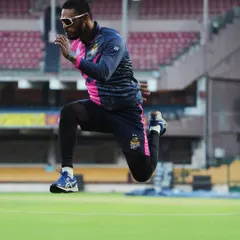
High Performance Athlete Coaching & Sport Science
Strength and Conditioning Research & Training Insights
 8
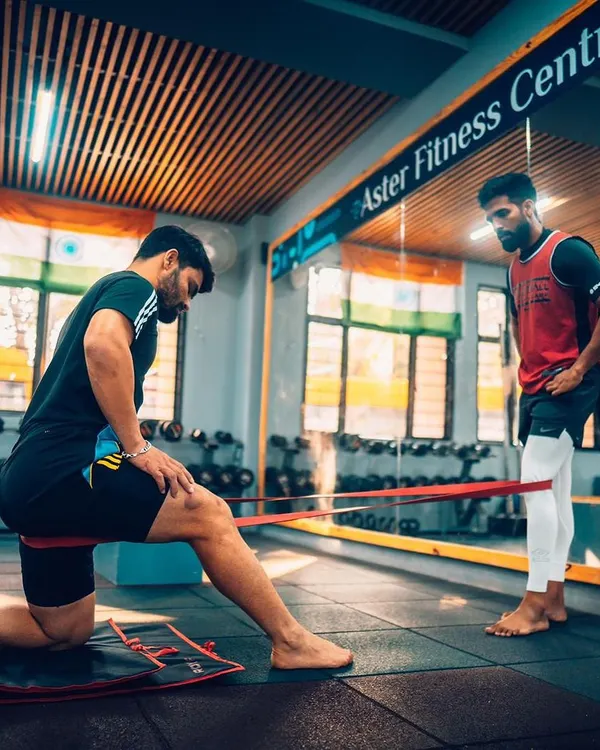
8Real Sports Performance Coaching in Action
Science-Based Exercise Technique and Biomechanics Breakdowns
More from Professional Development for Coaches by Ranjit Nahak
More services by Ranjit Nahak