Architectural Concepts & Process
Our practice is an investigation into the logic of construction and the relationship between form, light, and material. We document the transition from initial conceptual sketches to the built environment.
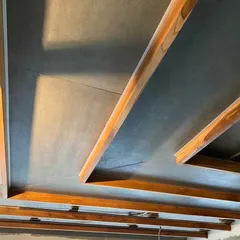
Physical architectural models in my studio are essential tools for study. Here, the winter sun casts diffused light and shadow across a timber truss model, an observation that directly inspires the design of a glass facade for an upcoming Delhi house.
A close-up of two distinct architectural models. The one on the left, a balsa wood truss, explores structural systems, while the one on the right, encased in acrylic, studies massing and form. This showcases the different scales and materials I use for design investigation.
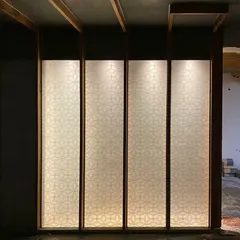
The play of light on a studio wall, filtered through the structure of an architectural model. This study of transparency, reflection, and diffusion is a critical part of my process, informing how the final building will interact with its environment.
About Architectural Concepts & Process
We evaluate structural integrity and light behavior using physical models, from balsa wood trusses to acrylic massing studies. This iterative method allows us to resolve complex geometries and structural logic on a human scale before commencing any civil work.
Architecture is not merely the assembly of building materials. For us, it is a process of discovery, a search for the archetypal form that responds to the specific history and topography of a site. Our workflow is intentionally non-linear, rooted in research that begins far from the construction site.
The Role of Physical Modeling
We utilize models as primary instruments of inquiry rather than presentation tools. By constructing timber trusses or using acrylic to study massing, we observe how the winter sun interacts with a proposed facade. This allows us to study transparency, diffusion, and reflection. If a design does not hold its integrity at a 1:50 scale, it will not succeed at full scale. We force ourselves to confront the physical constraints of a project early, whether we are working with exposed concrete in a Gurugram restaurant or implementing Dhajji Dewari timber-laced stonework in the mountains of Kashmir.
From Sketch to Site
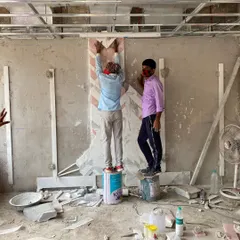
Each project begins with a dialogue with the land. We do not impose a universal style. Instead, we develop a spatial narrative unique to the brand or the client. The design phase involves extensive sketching, moving to high-fidelity 3D walkthroughs, and finally, site supervision where we monitor the pouring of concrete and the joinery of steel elements. Our methodology ensures that the logic of construction is visible in the final form. Whether designing a boutique hotel or a couture retail space, we seek to eliminate the non-essential, allowing materials like raw concrete, steel, and timber to express their inherent qualities. We prioritize technical precision, ensuring that the finished structure is both durable and contextually resonant.
Similar work from other experts
Browse through Curated picks from other experts on mytribe
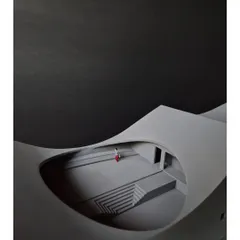
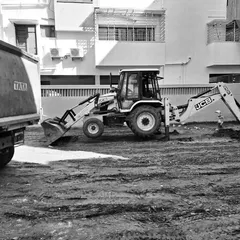
Architectural Design Process: From Idea to Form
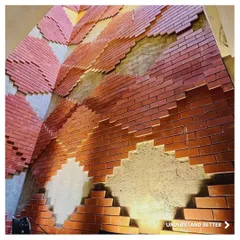
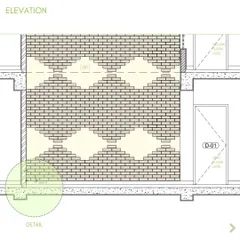
Architecture Design Process: From Sketch to Structure
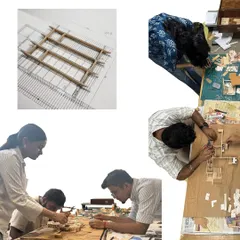
Our Architectural Design Process: From Concept to Construction
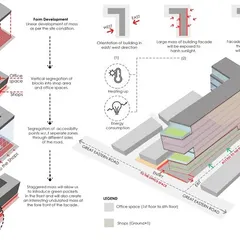
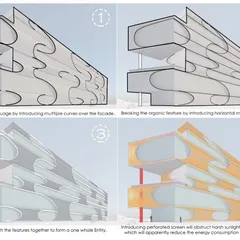
Our Architectural Process: From Concept to Construction
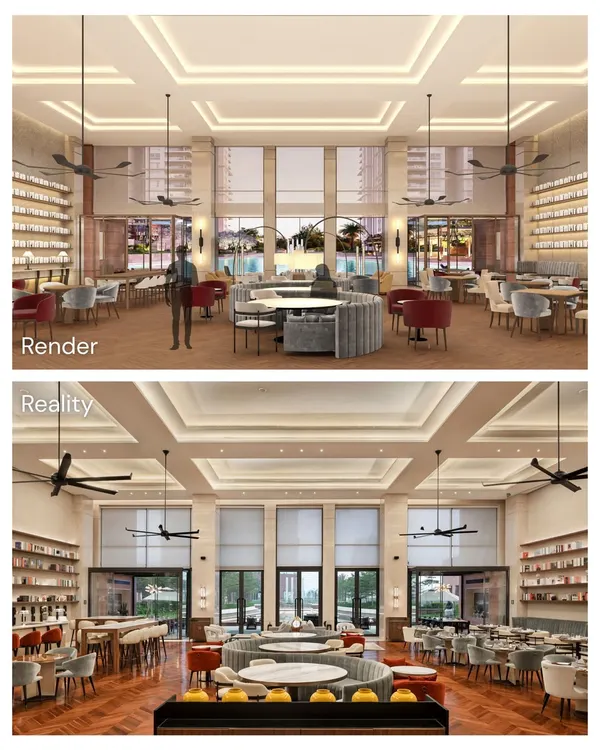 24
24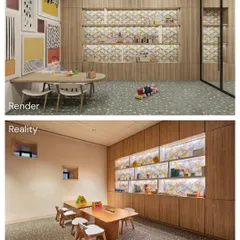
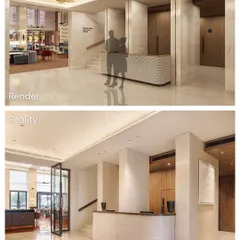
Our Design Process: Turning Renders into Built Reality
 9
9
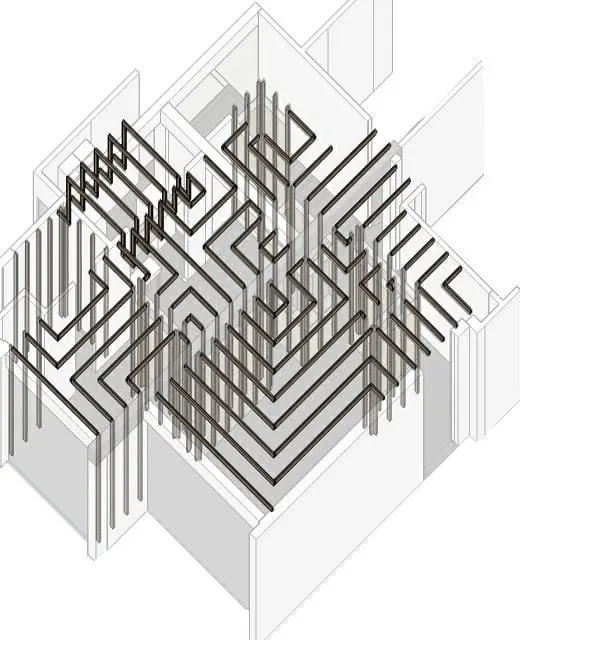
Architecture Design Process and Construction Details
More from Commercial Architecture & Interior Design by Matra Architects
More services by Matra Architects