Restaurant Architecture and Culinary Spaces
Designing a restaurant involves more than selecting furniture. It is the calibration of atmosphere, acoustics, and operational flow to ensure the physical environment actively supports the culinary experience.
The main dining area at Evoo, where the wood-fired pizza oven serves as a focal point. The space is defined by the monolithic presence of exposed concrete walls and ceilings, creating a dark, atmospheric setting for this pizzeria in Gurugram.
A glimpse of the activity within the open kitchen at Evoo, viewed from the tufted leather seating of the dining area. The composition of steel framing, concrete, and glass separates yet connects the diners to the food preparation process.
About Restaurant & Culinary Spaces
In designing Evoo, the challenge was to create a monolithic atmosphere that felt intimate rather than cold. By using raw exposed concrete and steel, we defined a strong industrial character. We integrated the open kitchen into the dining layout, allowing the activity of cooking to serve as the visual center of the culinary performance.
Every restaurant or hospitality project follows a strict logic: balancing public intimacy with operational efficiency. Our approach to culinary spaces rejects surface-level decoration, focusing instead on how materials like steel, glass, and concrete interact with light and sound.
For fine-dining environments, we prioritize acoustic dampening and lighting layers to manage the transition from day to night. This requires careful consideration of hard surfaces, such as concrete floors or walls, which are balanced with textiles and soft illumination to ensure comfort. Operational zoning is equally critical. We design layouts that separate service flows from dining zones, often using the kitchen as a performative element. This makes the preparation of food an active part of the guest experience rather than a hidden utility.
In our hospitality work, we often employ climate-responsive techniques. Whether utilizing structural steel to open views or incorporating vernacular methods to manage thermal regulation, the goal is to make the space feel grounded. We do not just build dining rooms; we construct frames for the culinary narrative. Every choice, from the placement of a concrete bar counter to the integration of MEP services like ducts and conduits, is resolved during the design phase to ensure the final environment is both functional and evocative.
Similar work from other experts
Browse through Curated picks from other experts on mytribe
 10
10
Restaurant and Dining Space Design
 13
13
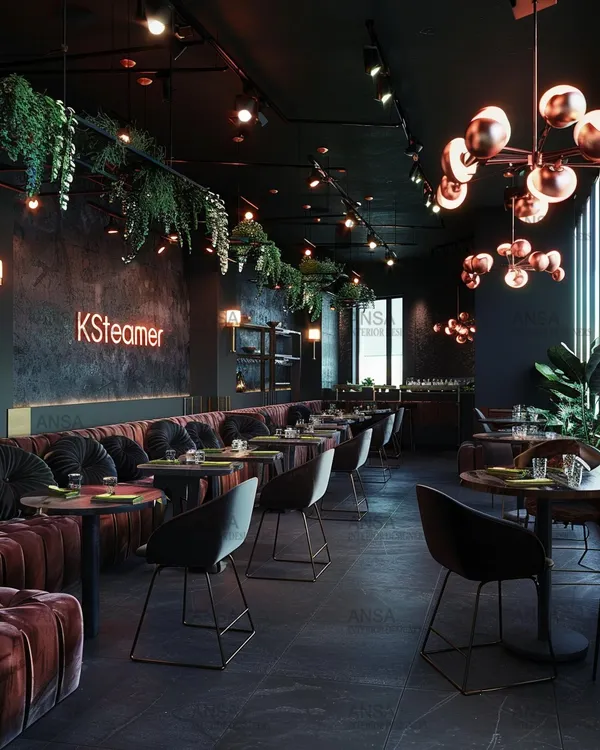
Crafting Immersive Dining Experiences
 9
9
Restaurant and Bar Interior Design
Atmospheric Hospitality: Restaurants & Bars
 10
10
Urban Restaurant Interior Design in Mumbai
 30
30
Design Concepts for Cafes, Restaurants, and Bars
More from Commercial Architecture & Interior Design by Matra Architects
More services by Matra Architects