Featured Iyengar Yoga Practice
Precision is the foundation of my teaching. With 45 years of practice following the lineage of Guruji Dr. B.K.S. Iyengar, I guide you to build immunity, strength, and a sharp mind through disciplined alignment.
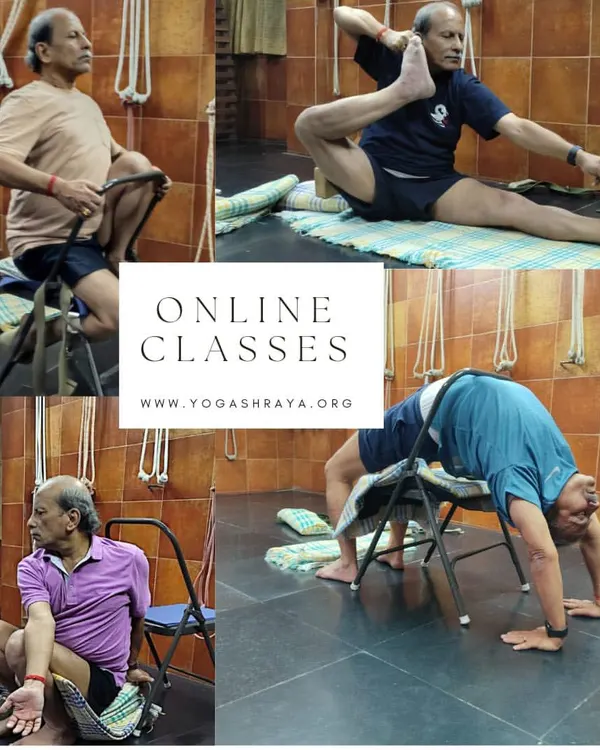
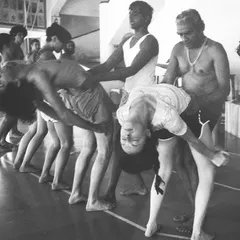
This is a demonstration from a class at Bellur, Guruji's birthplace. Notice the use of the ropes. In Iyengar yoga, we do not passively rest on props. You must actively engage. I instruct students to pull the rope, hold it tight, and use it to correct and deepen the posture. This is the level of detail we bring to every asana.
Here I am demonstrating a variation of Shirshasana (Headstand), using the wall for balance and alignment. This is Parsvaika Pada Shirshasana. The wall is a tool, a teacher. It provides feedback so you can understand the correct extension and rotation in the pose without fear of falling.
This is Veerabhadrasana 3 (Warrior 3 Pose) performed with the support of a chair. The chair allows you to hold the asana, focus on extending the spine and back leg, and build strength without compromising the alignment. This is how we make advanced postures accessible and safe for practice at home.
A demonstration of the Surya Namaskara (Sun Salutation) sequence as taught in my online classes. I guide you through each step with the correct Sanskrit name and breath count, from Urdhva Hastasana to Adho Mukha Shvanasana. The focus is on precision and deliberate movement, not speed.
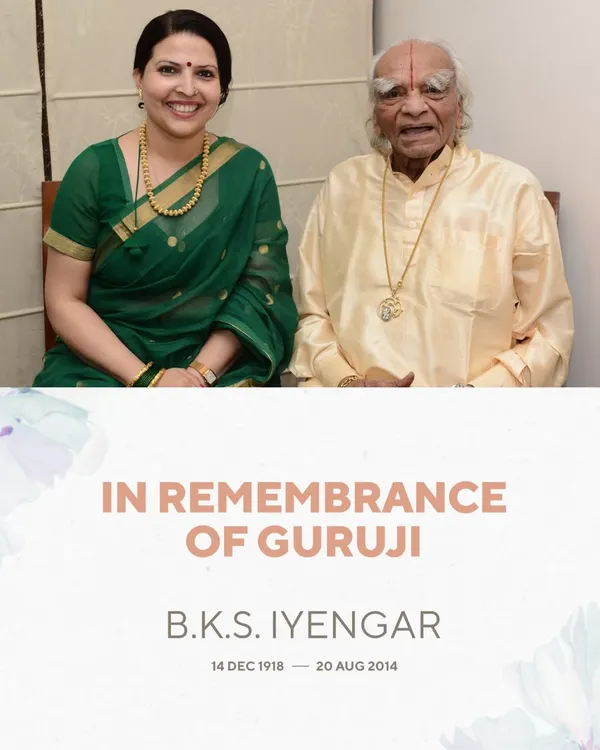
This is a photograph of me with my Guruji, Dr. B.K.S. Iyengar. I learned this yoga directly from him. The knowledge I share is from this pure lineage, passed down through decades of dedicated practice and study at his side.
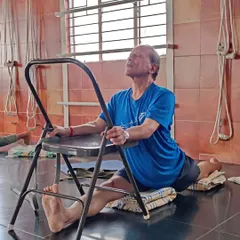
This video shows several variations of Shirshasana (Headstand) using a rope tied to a window. The rope provides traction and support, allowing for a longer, more stable hold in the inversion. This is an example of how we adapt the practice using simple props available at home.
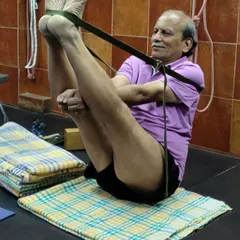
Padmasana, or the Lotus Pose. This is a fundamental seated posture for meditation and pranayama. Achieving stability and comfort here requires consistent work on the hips and knees. It is a pose of stillness and focus, reflecting the mental discipline we cultivate.
A seated twist, Marichyasana, performed with a bolster and a block. The props help to lift the spine and provide support, allowing for a deeper and more correct twist. This precision ensures the twist benefits the internal organs and spinal column effectively.
About Featured
In my classes, props like chairs, belts, and wall ropes are essential precision tools. They are not there to make things easier, but to ensure you perform every asana with correct alignment. When you join, you learn to use these tools to support your body, allowing you to go deeper into postures safely and effectively from your home.
Yoga is a slow, steady process of understanding your own body. I teach the authentic Iyengar method, which means we do not rush. We start by focusing on basics, such as standing poses to build stability, followed by seated work and pranayama to calm the nervous system. Classes are held live on Zoom because I must see your form to provide the necessary verbal corrections. You will hear me give direct instructions on when to inhale and exhale, just as Guruji taught me. We do not skip steps, and we do not prioritize speed over safety. If you are looking for a practice that demands focus and rewards you with lasting physical and mental grit, you have come to the right place. My goal is to teach you how to observe your body, use your breath to control your mind, and build a constitution that can handle daily life.
Similar work from other experts
Browse through Curated picks from other experts on mytribe
 12
12
My Guru, My Lineage: Carrying Forward the Legacy of B.K.S. Iyengar
 8
8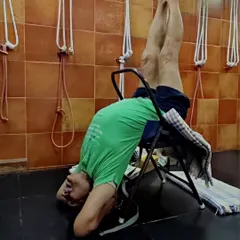
Online Iyengar Yoga Classes with Precision Alignment
 8
8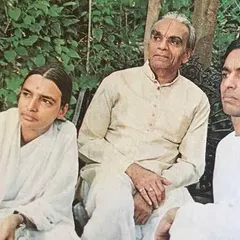
Iyengar Yoga Lineage: Understanding the Guru Parampara
Yoga Practice: My Core Philosophy and Best Work
Iyengar Yoga: The Art of Alignment
 19
19
My Ashtanga Lineage & The Gurus Who Shaped My Practice
More from Online Iyengar Yoga Classes by Madhava R
More services by Madhava R