Therapeutic Yoga for Injury Recovery and Pain Management
We use the precision of the Iyengar method to address structural imbalances. Our practice is designed to treat the root cause of your pain, not just the symptoms.
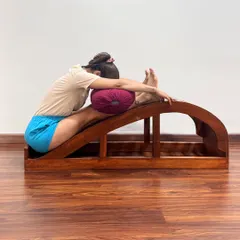
Are your forward bends sloppy? This clip explains that forward extensions are more than a measure of flexibility. They are potent poses that demand abdominal action and strong legs to improve breath capacity and calm the nervous system.
This is a glimpse into the knee therapy work I do. This specific assisted pose, Baddha Konasana, is for a stage when the injury is no longer acute but not fully healed. It is part of a careful, progressive approach to recovery.
Do you have neck pain in Headstand? It is often because the shoulders are not strong enough to bear the weight. This video shows how to use blocks for support to keep the spine and shoulders lifted, taking the strain off the vital neck structure.
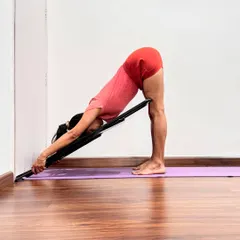
This clip from a recorded session shows preparatory actions for Sirsasana (Headstand). If you have neck pain, it is crucial to build shoulder strength first. We use poses like this modified Downward Dog to prepare the body correctly.
If your headstand looks like a banana, this quick strategy can help. By practicing this preparatory tuck position with assistance, you can learn to engage your core and find the vertical alignment needed for a stable and safe inversion.
A common myth is that inversions like Headstand cause high blood pressure. This video debunks that idea, explaining the role of baro-receptors in regulating blood flow. When done correctly, inversions can actually calm the nervous system and lower stress.
Sirsasana (Headstand) and Sarvangasana (Shoulderstand) are iconic inversions. They are learned after adequate preparation and refined over time. This clip shows how we work towards longer, more beneficial holds in these powerful asanas.
The rotator cuffs need sensitive handling. This short tutorial, a free gift from my Shoulder Medley series, shows how to prepare the delicate shoulder cuff area for more challenging poses like backbends and inversions, preventing strain and injury.
This is my six-step plan for a post-feasting practice. The sequence includes gentle twists and forward bends to stimulate digestive organs and encourage movement in the abdominal area, helping you feel lighter and more comfortable.
This class footage was taken after a major festival. The focus was on digestion and restoration. The calm alertness on the students' faces at the end shows the power of a well-sequenced practice to change our physical and mental state.
About Therapeutic Yoga: Injury Recovery & Pain Management
When you are dealing with chronic pain, standard exercise classes often ignore your limitations. We use specific props—blocks, wall ropes, and chairs—not as shortcuts, but as tools to create space and stability in the joints. You will not be blindly following a flow; you will be learning how to manipulate your own skeletal alignment to relieve pressure on the rotator cuff, lumbar spine, or knees, guided by the precise, clinical instructions that define our approach.
Recovery is an active, intelligent process. Our therapeutic sessions in Cooke Town operate on the principle that movement must be grounded in understanding. Whether you are dealing with a recurring sports injury, persistent neck strain from desk work, or joint discomfort, we look at your structural mapping to see how your body holds stress.
The Iyengar Approach to Healing
We do not chase the 'perfect' pose. Instead, we use asanas as a diagnostic and corrective tool. For instance, if you have neck pain in inversions, it is rarely a neck problem—it is a shoulder strength problem. We use specialized props to break down complex movements, allowing you to build the necessary strength without aggravating the injury.
What to Expect
- Structural Assessment: Every initial consultation maps your skeletal alignment and pelvic tilt to identify imbalances.
- Prop-Based Correction: We utilize wall ropes for traction and chairs for support, which allows for safe movement even when you are in pain.
- Anatomical Education: You will learn why certain movements cause you discomfort, turning your practice into a long-term strategy for injury prevention.
We focus on the biomechanics of movement. By deconstructing a pose into micro-movements, we help dancers, athletes, and professionals alike regain their range of motion. If you are in Bengaluru and seeking a practice that respects your body’s current capacity while pushing for sustainable improvement, this is where we begin.
Similar work from other experts
Browse through Curated picks from other experts on mytribe
Therapeutic Iyengar Yoga for Pain and Injury Management
Therapeutic Yoga for Chronic Pain Relief
Therapeutic Yoga and Pain Relief Classes in Noida
Therapeutic Yoga for Pain and Injury Recovery
Spinal Health & Pain Relief Yoga
Therapeutic Yoga for Pain Relief in Noida
More from Specialized Yoga & Yoga Therapy by The Practice Room
More services by The Practice Room