Landscape Design Using Local Materials & Techniques
I believe a landscape should look like it grew from its surroundings. By choosing materials native to your region, we create spaces that feel grounded, authentic, and naturally comfortable.
This project in Jodhpur features a boundary created with vertical slabs of local red stone. The design is complemented by a permeable ground cover of stone pavers and native grasses, reflecting the region's natural terrain.
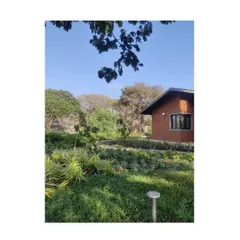
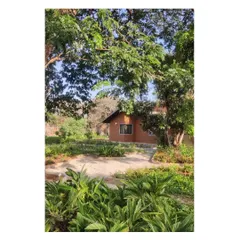
A gravel pathway runs alongside a building clad in local brick, with climbing plants beginning their journey up the pillars. This design choice ensures the architecture and landscape merge into a single, cohesive experience.
Another view of the Jodhpur project, showing how the stone wall and patterned ground create a strong visual texture. The plants are still young here, and they will gradually soften the space and add more character as they mature.
A beautiful Plumeria tree stands against a terracotta-colored wall, its white flowers adding a touch of softness. We carefully select native and adaptive plants that thrive in the local climate, ensuring the long-term health of the garden.
About Rooted in Place: Local Materials & Techniques
When you use local stone, like the red Jodhpur slabs in these photos, you are doing more than picking a style. You are choosing a material that handles the local sun and heat better than anything imported, and it only gets better as it ages. It is about working with the ground you have, not fighting it.
Designing for a place means listening to it first. I have learned that the most resilient landscapes are the ones that use what is already there—the stone from local quarries, the soil type, and the plants that thrive without needing constant pampering.
Why Local Matters
When we use materials like Jodhpur stone, we are not just sourcing locally. We are choosing a material that already belongs to the climate. It absorbs heat differently than manufactured tiles, creating a cooler, more comfortable outdoor space. Plus, it settles into the environment as if it has been there for decades.
The Living Element
Using native plants is equally vital. In the project shown here, we focused on hardy climbers and grasses that work with the structure rather than against it. These plants grow into the cracks, soften the hard edges of masonry, and change with the monsoon, bringing a dynamic sense of time and weather to your garden. A space should look different in the morning than it does in the evening, and different in the monsoon than in the dry season.
Can We Do This Anywhere?
One of the biggest lessons from my Jodhpur projects was that we can achieve this level of detail even from afar. We coordinated the entire design through video calls and digital sketches. Whether your site is in Mumbai or elsewhere, the process remains the same: we analyze the local context, select the right stone and species, and work closely with your local contractors to bring the design to life. It is not about forcing a vision onto a site; it is about uncovering what the land is already trying to do.
Similar work from other experts
Browse through Curated picks from other experts on mytribe
 4
4
Our Landscape Design Philosophy and Process
 12
12
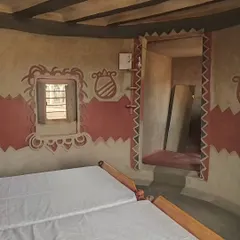
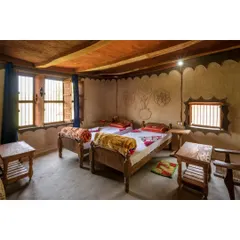
Vernacular Design and Local Craftsmanship for Modern Homes
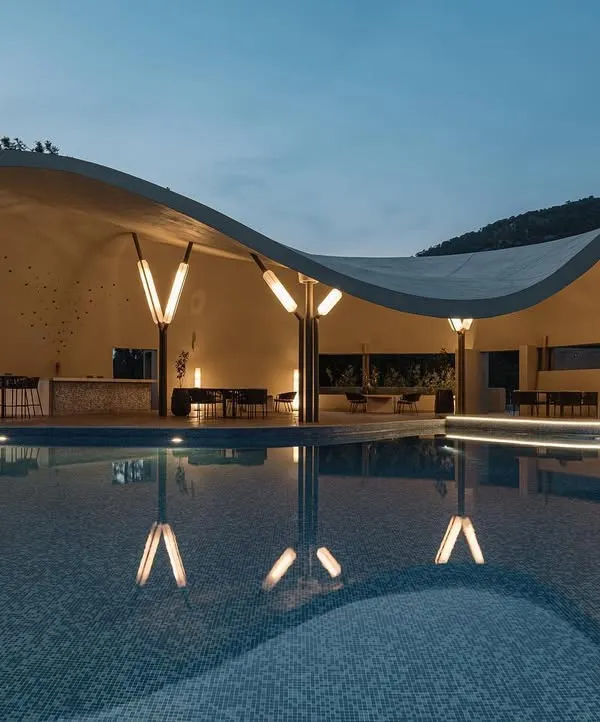 11
11
Featured Architectural Projects and Landscape Designs
 28
28
Architecture Defined by Earth, Wood, and Stone
 17
17
Terrain-Responsive & Sustainable Design
Architecture in Nature's Embrace: Design That Resonates
More from Public & Urban Landscape Design by Hemali Landscape Studio
More services by Hemali Landscape Studio