Strength & Conditioning for Combat Sports
Fights aren't won when you step into the ring; they're won in the months you spent preparing. Our conditioning isn't about vanity muscles—it's about building the gas tank and durability you need to survive, and eventually win.
This is what we mean by discipline. A clip from our Tuesday strength and conditioning session, where members build functional power with exercises like barbell presses.
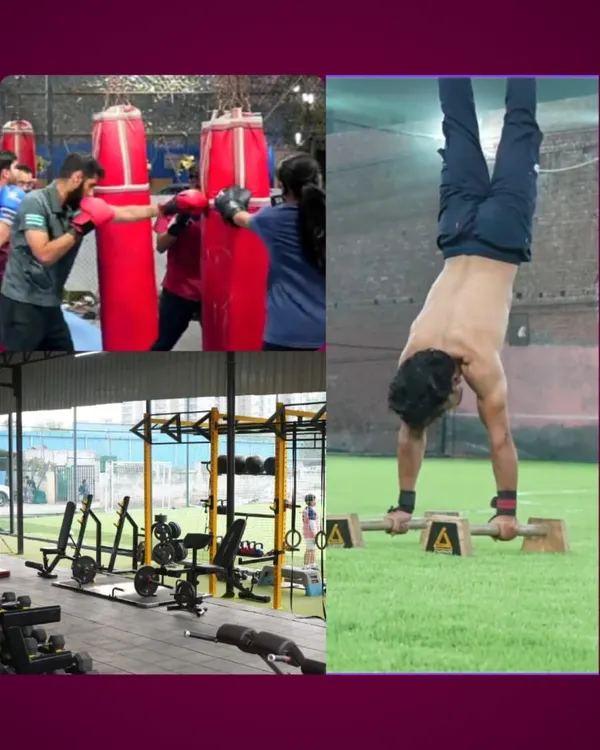
The moment you want to quit is when you keep pushing. Our members build a strong core with partner-assisted sit-ups and punches, a staple of our conditioning work.
About Strength & Conditioning: Building the Engine
Don't expect to just lift weights and stare in the mirror here. Our sessions are built to make your legs feel like lead and your lungs burn—because that is exactly what happens when you are deep into a sparring round. We focus on functional movements, high-repetition drills, and partner-assisted work that mimics the resistance of an actual opponent. If you aren't leaving the mat dripping and exhausted, we haven't done our job.
Why We Don't Do 'Regular' Gym Work
Most gyms teach you to isolate muscles. We teach you to integrate them. Combat sports demand a different kind of strength—explosive power combined with high-endurance stamina. Whether you are prepping for the Indian Combat League or just want to get through a six-minute grappling round without gassing out, the work is the same.
The 'Engine' Methodology
- Functional Focus: We don't care about the size of your biceps. We care about your kinetic chain. We use barbell presses, heavy bag work, and plyometrics to ensure every ounce of power you generate can be transferred into a strike or a takedown.
- Partner-Assisted Resistance: Training alone is easy. Training with someone constantly testing your center of gravity is not. Our partner drills—like forced sit-ups or resistance punching—build the core stability you actually need when someone is trying to wrestle you down.
- The 5-9 PM Window: We run our conditioning in the same space as our striking and grappling. You are training on Fuji mats, surrounded by fighters, not gym-goers. It is intense, it is loud, and it is effective.
Rato Mat, Samjho
We say this a lot: don't just memorize the movement, understand the mechanics. When we do high-repetition conditioning, we are teaching your body to maintain perfect form even when you are fatigued. That is the difference between a fighter and a hobbyist. When you are tired, your technique falls apart—unless you have conditioned your body to perform under pressure.
Similar work from other experts
Browse through Curated picks from other experts on mytribe
Strength & Conditioning: Build Your Fighter Engine

Strength & Conditioning: Built to Last
Warrior Conditioning & Functional Training
Strength and Conditioning for Boxers
 10
10Functional Strength & Conditioning Training
Strength & Conditioning to Build Your Fight Engine
More from Muay Thai & Boxing by Crosstrain Fight Club
More services by Crosstrain Fight Club