Strength Training Principles: How to Program Your Progress
Stop guessing your training sessions. Whether you are lifting for sports or general fitness, understanding the math behind the movement helps you get stronger. Here is how we break it down.
Every coach and athlete must know these 5 key strength training variables to maximize their strength gains. Let's dive into them.
The first variable is Volume, which is the total amount of work performed. It's calculated as Sets x Reps x Load. We adjust volume based on the training phase to prepare athletes for peak performance.
The second variable is Intensity, which is the amount of weight being used, usually as a percentage of your 1-Rep Max. Different intensity zones produce different muscular adaptations.
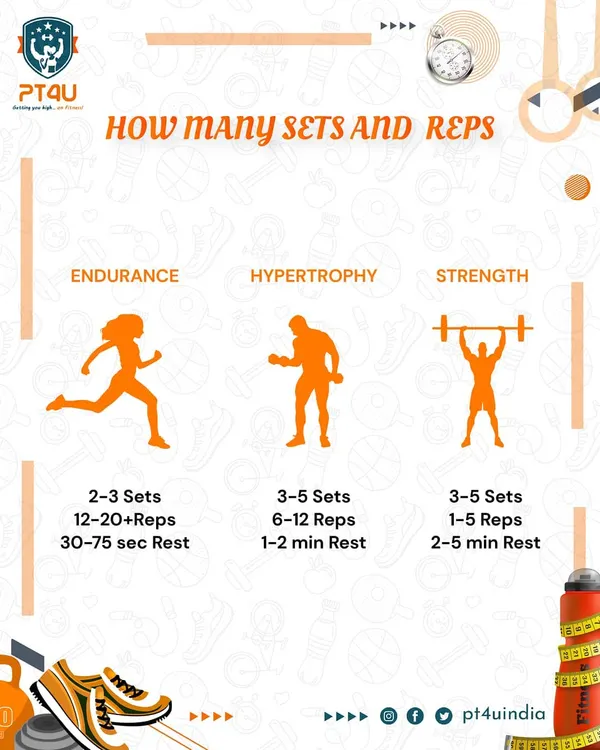
The third variable is Repetitions. The number of reps you can do is a function of the load. Low reps build power and strength, while high reps build muscular endurance.
The fourth variable is Sets. A set is a series of repetitions followed by a rest interval. Untrained individuals benefit most from 3-4 sets, while trained athletes may need up to 8 sets for optimal adaptation.
The fifth variable is the Order of Exercise. Large-mass, multi-joint exercises like snatches or squats should be done early in the session when you are fresh to maximize strength and power development.
About Strength Training Principles
Ever wonder why your Snatch technique falls apart when you’re tired? It usually comes down to your exercise order. At Adapt Fitness Club, we prioritize heavy, multi-joint movements like Olympic lifts when you are fresh. If you leave the complex work for the end of the session, you are training fatigue instead of technical efficiency. Let's get your training sequence sorted.
Building strength is not just about moving weight from point A to point B. It is about understanding the variables that drive adaptation. When you train with me, we look at the 'why' to make sure you are not just working hard, but working right.
The 5 Variables of Strength
- Volume: Don't just do more. We calculate volume (Sets x Reps x Load) based on your training phase to make sure you are prepared for peaks without burning out.
- Intensity: This is your percentage of 1-Rep Max. We use specific intensity zones so you aren't guessing your weight on the bar every single day.
- Repetitions: Whether we are building raw power with 1-3 reps or muscular endurance with 15 plus, every number has a purpose.
- Sets: We adjust set counts based on your experience. Untrained athletes need different stimuli than advanced lifters to get the same results.
- Order of Exercise: As mentioned, this is critical. Explosive, technical movements go first while your nervous system is fresh. Accessory and fatigue-based work comes later.
Training at the Warehouse
At our Adapt Fitness Club facility in Sector 106, we strip away the distractions. There is no AC and no fluff. It is just you, the barbell, and the programming. If you are struggling with your program, come by for a Saturday technical session. We will record your lifts, check your bar path, and make sure your principles match your execution.
Similar work from other experts
Browse through Curated picks from other experts on mytribe
Strength Training Fundamentals and Techniques
 82
82The Science of Strength and Conditioning Coaching
 8
8
Workout Library: Exercise Guides & Training Tips
Workout Techniques for Sustainable Strength
Strength Training Workouts for Real Results
Science-Based Workout Library
More from Olympic Weightlifting by Rishabh Grover