Designing Restorative Wellness Sanctuaries
We craft spaces where architecture speaks in whispers and silence forms the atmosphere, prioritizing sensory clarity and human comfort.
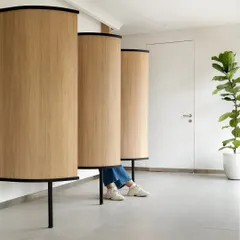
A meditative corridor at the Be Well wellness center, lined with rhythmic, wood-framed screens. The design uses symmetry and a restricted material palette to create a powerful sense of calm and order.
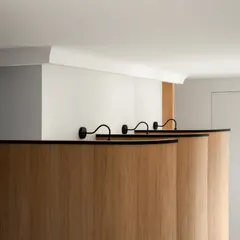
A choreography of light, material, and proportion at Be Well. This view shows the seamless transition between spaces, marked by subtle shifts in texture from smooth stone to ribbed wood.
Another perspective of the interior at Be Well, highlighting the interplay of volumes and surfaces. The design avoids ornamentation, focusing instead on the inherent beauty of the wood and stone.
The gym at Be Well, where the architectural language of the rest of the center continues. The coffered wooden ceiling with integrated lighting creates a warm, uplifting atmosphere for exercise.
About Sanctuaries for Wellness
In our recent project, Be Well in Amritsar, we moved away from the typical gym aesthetic to focus on a rhythmic, timber-lined narrative. By applying fluted wood, natural stone, and integrated ceiling coves, we created a environment that prioritizes the user's mental calm over pure utility, turning a workout zone into a distinct architectural experience.
Wellness design demands a specific restraint. Our approach focuses on the interplay of light and surface to reduce visual noise, allowing the architecture to function as a backdrop for the user's recovery or exercise. We believe that true wellness spaces are not just about equipment placement, but about managing the transition from the chaos of the outside world to the silence of the interior.
Technical execution is vital in these settings. We integrate services like HVAC, lighting, and sound systems into the design narrative itself rather than hiding them poorly. This involves detailed coordination between the architectural drawings and the physical site work. Whether it is a yoga studio, a spa, or a fitness center, our process focuses on:
- Spatial Zoning: Establishing clear axial alignments that guide the user through the space without the need for signage.
- Material Logic: Using raw concrete, lime plaster, or wood not just for looks, but for their tactile and acoustic properties.
- Light Planning: Working with color temperatures and beam angles to create a specific mood, shifting from energized zones for activity to softened, diffuse light for recovery areas.
Each project is a study in proportion. We avoid standard grids, instead using custom joinery and monolithic structural elements to give the space a sense of permanence and identity.
Similar work from other experts
Browse through Curated picks from other experts on mytribe
 16
16
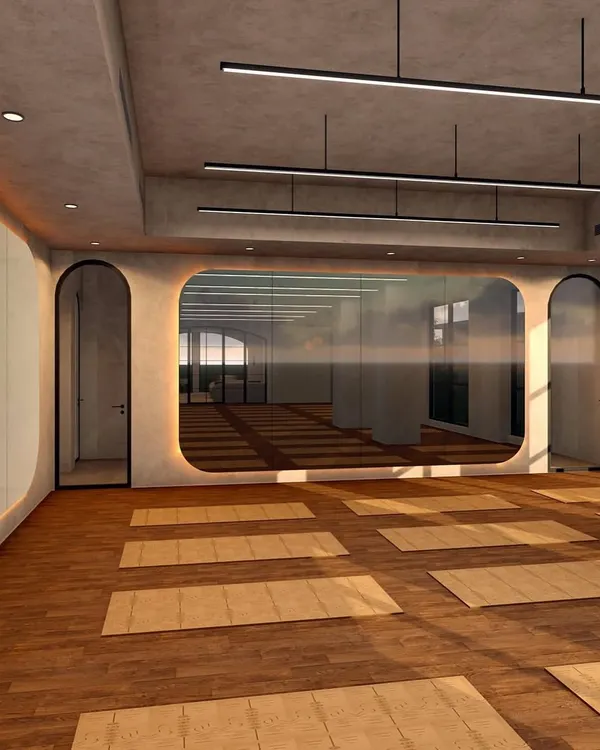
Wellness and Yoga Studio Interior Design
 13
13
Spa & Wellness Sanctuary Design: Creating Sensory Escapes
 11
11
Wellness Spa and Clinic Interior Design
 6
6
Biophilic Design for Healthcare & Wellness Spaces
 44
44
Architecture of Care & Serenity in Healthcare
 6
6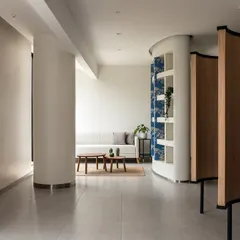
Serene Medical and Wellness Clinic Interiors
More from Commercial Architectural Design by Renesa
More services by Renesa