Bharatanatyam Solo and Duet Repertoire Choreography
From refining traditional Margam pieces to creating original thematic works, I focus on building choreography that balances precise technical form with honest expression.
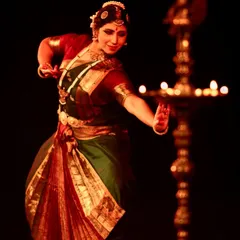
Performing a solo piece in Pune. A solo concert is a personal quest, a chance to connect with the audience through compositions that showcase both technical virtuosity and personal interpretation.
A short clip from a Behag varnam. The varnam is the centerpiece of a traditional Margam, and I enjoy choreographing and performing pieces that challenge a dancer in both pure dance (nritta) and expression (abhinaya).
Performing a Devi Stuti. Choreographing and performing pieces on deities allows for a deep exploration of bhakti (devotion) and shringara (love), using the language of Bharatanatyam to interpret sacred texts.
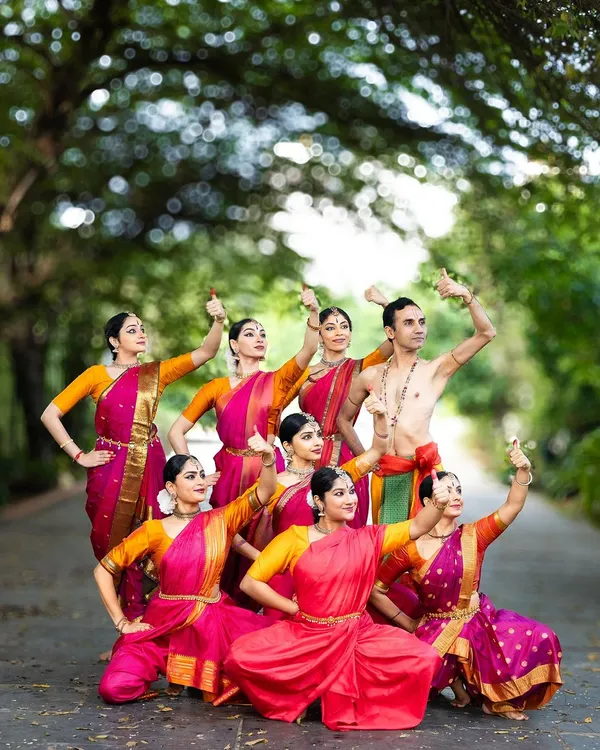
A duet performance from 'SUTA'. Choreographing duets is about creating a dynamic interplay between two dancers, using space, rhythm, and expression to build a connection on stage.
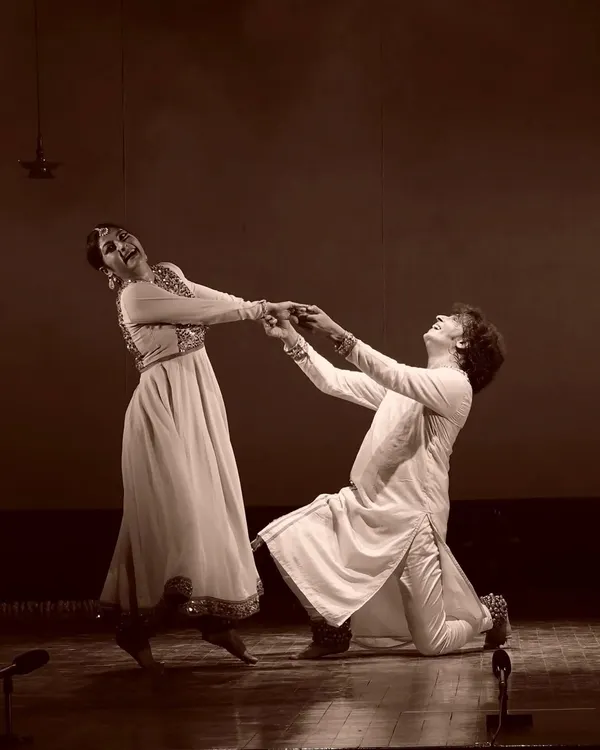
A snippet from 'Raag-Raagini', a duet performance. This piece combines the structures of Bharatanatyam and Kathak, showing how I collaborate with artists from other classical forms to create new choreographic works.
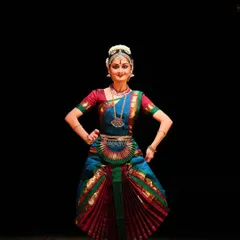
Snippets from a recent solo concert. Each solo piece is an opportunity to tell a different story, from energetic Thillanas to deeply expressive Padams, showcasing the versatility of the Bharatanatyam repertoire.
Performing a Pahadi Thillana with a live orchestra. The Thillana is a joyous, rhythmic conclusion to a performance, and the energy of live music is essential to bringing the choreography to life.
Performing at the Nishagandhi dance festival. Presenting work at such prestigious festivals is an honor and a chance to share my choreography with a knowledgeable and appreciative audience.
About Solo & Duet Repertoire
The music is the soul of the dance. For every choreography, I work with a live orchestra to ensure the Talam and musical structure are perfectly synced to your performance, rather than using a pre-recorded track.
Choreography is a dialogue between the dancer and the story. Whether you are preparing for a debut Arangetram or looking to add a new piece to your repertoire, the goal is to find a movement vocabulary that feels like your own.
We start by identifying your strengths. If you choose an existing composition from the Punyah repertoire, we dedicate 6 to 8 hours of training to refine your Angashuddhi, lines, and stamina. For those wanting a completely new narrative, we spend 12 to 15 hours on conceptualization and execution. This includes everything from rhythmic calculations to Nattuvangam training.
I am based at the Punyah Dance Company and Upadhye School of Dance in Bangalore, but I travel across India for workshops and productions. My work relies heavily on the backbone of live music. I coordinate with vocalists, mridangam players, and violinists to create a structure that supports your performance.
Expect honesty in our sessions. We will fix your technique, but we will also look for the Abhinaya that makes a performance connect with an audience. If you have questions about the Talam or want to discuss a specific mythological or literary piece, reach out to discuss the scope.
Similar work from other experts
Browse through Curated picks from other experts on mytribe
 16
16
Classical Solo & Duet Dance Choreography
Nritya & Karanas: Authentic Bharatanatyam Choreography
Graceful Semiclassical & Expressive Wedding Choreography
 11
11
Solo Bharatanatyam Recitals
 38
38
Solo Bharatanatyam Recitals: Traditional Margam & Thematic Performances
 8
8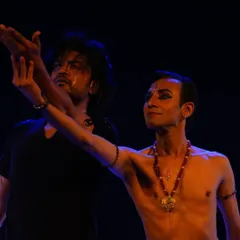
Featured Bharatanatyam Choreography & Performance Highlights
More from Bharatanatyam Choreography by Adithya
More services by Adithya