Nritya & Karanas: Authentic Bharatanatyam Choreography
Exploring the grammar of movement through the Natyashastra. I choreograph pieces that bridge tradition and joy, focusing on clean lines, groundedness, and the intricate vocabulary of karanas for solo or group performances.
This was a spontaneous session that turned into a short choreography exploring various karanas to a thillana. It shows my process of using the Natyashastra's movement vocabulary to create new and dynamic sequences, filled with 'maja' or joy.
My journey with the karanas has been one of sheer joy. This video shows my practice of several karanas, including Talapushpaputam and Katisamam. I offer specialized choreography and training in this ancient and beautiful dance vocabulary.
This jati, or rhythmic sequence, feels like the perfect flight. It's an example of a technically challenging piece I choreographed that focuses on speed, precision, and the joy of complex footwork and movements.
The Brindavani thillana is a classic that always feels wonderful to dance. This clip shows my interpretation, focusing on the grace and geometric beauty of pure nritta. I choreograph both traditional and contemporary thillanas.
This is an 'allaripu of twirls' I choreographed. It's a great example of how I take a traditional format and infuse it with a specific dynamic quality, in this case, focusing on the challenging technique of fast, clean turns.
A snippet from a vibrant Shiva Stuti. This clip showcases the energetic and powerful 'tandava' aspect of my choreography, filled with strong movements and a celebratory spirit.
Inspired by the Himalayas, I couldn't help but leap and dance. This video shows my spontaneous use of karanas in a natural setting, reflecting how I see dance as a natural expression of a space's divine energy.
About Nritya & Karanas: The Grammar of Movement
When I choreograph using the Natyashastra's karanas, we do not just focus on the steps. We work on the azhutham, the groundedness that makes a movement truly resonant. Whether we are building a solo thillana or a group sequence, my process involves 5 to 7 instructional sessions where we break down facial expressions and hand gestures alongside footwork, ensuring you have a recorded video guide to perfect those specific transitions long after our rehearsals end.
The Natyashastra is a vast ocean, and my choreography is a small attempt to swim in it. For me, nritta is not just about physical movement; it is the physical manifestation of discipline and devotion.
My Approach to Choreography
I treat every project as a collaboration. When we start a piece, I spend time understanding your vision, whether it is for a formal Arangetram, a competition, or a thematic production. My work relies on the precise, geometric vocabulary of karanas to create visual poetry on stage. We will map out your facial expressions and hand gestures word-for-word, ensuring that the emotional intent (sthayi bhava) is clear to every member of the audience.
What to Expect
- Solo Choreography: We focus on deep, Natyashastra-based research. I provide written notations for jatis and detailed guidance on rhythmic structures (Tala).
- Group Choreography: My focus here shifts to spatial dynamics. I design intricate floor patterns for 4 to 12 dancers, emphasizing unison and geometric precision. We dedicate time to cleaning sessions to ensure collective perfection in body lines.
- Thematic Productions: For larger, 45 to 60-minute productions, we work on a turnkey basis. This includes script consultation, original music composition, and the integration of lighting and stage aesthetics.
Every piece I create includes a recorded video guide for your practice. My goal is to make the complex beauty of our classical tradition accessible and joyful for you to perform.
Similar work from other experts
Browse through Curated picks from other experts on mytribe
 11
11
Solo Bharatanatyam Recitals
 8
8Bharatanatyam Solo and Duet Repertoire Choreography
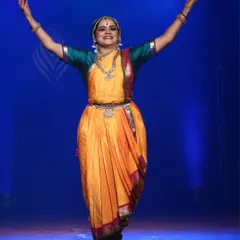
Bharatanatyam Performances and Choreography
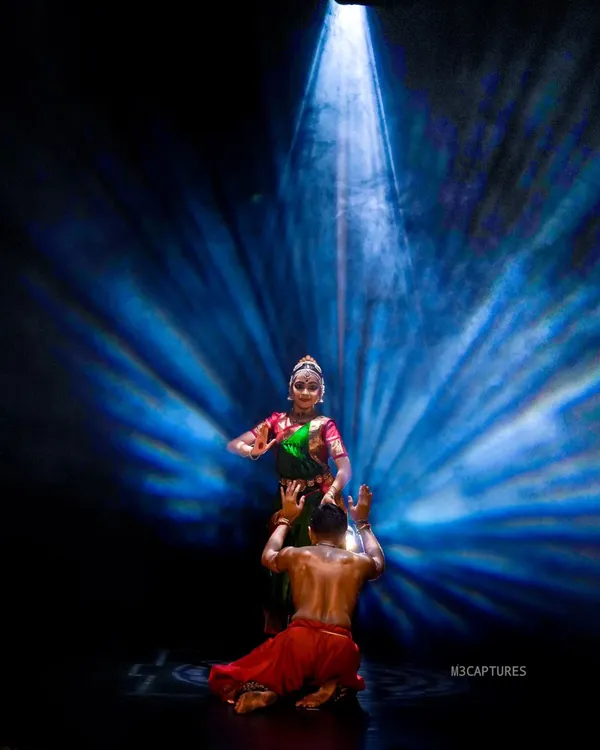 10
10
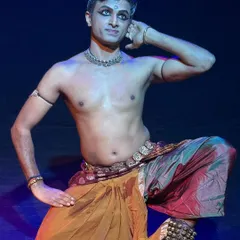
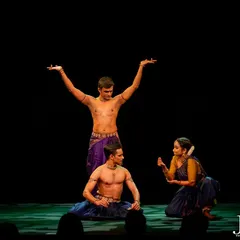
Authentic Bharatanatyam Performances and Theatrical Productions
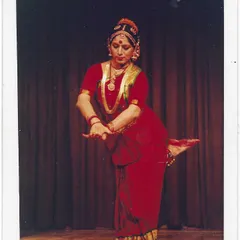
Authentic Bharatanatyam Solo Recitals with Live Orchestra
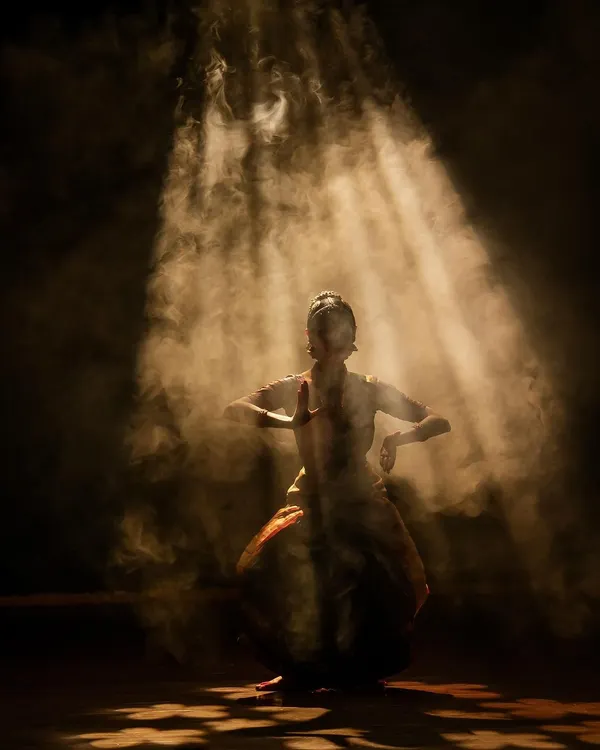 8
8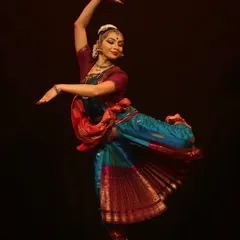
Featured Bharatanatyam Performances & Choreography
More from Dance Choreography Services by Divya Hoskere
More services by Divya Hoskere