Orthopedic Physiotherapy & Pain Management in Delhi Ncr
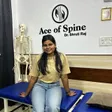
I find out what's really causing your joint or muscle pain, use hands-on manual therapy instead of just machines, and make a recovery plan that fits your exact problem.
Pricing Guide
ESTIMATESAbout Orthopedic Physiotherapy & Pain Management
Getting you moving again is the main thing that drives me. I don’t believe in just putting you on a machine and walking away. Here, we figure out why you’re in pain, not just where it hurts.
What Happens in My Clinic
- I always start with a deep-dive assessment to get to the real cause of your pain. Sometimes, back pain isn’t from your back! Weak glutes, tight hamstrings, poor hip movement - sab kuch linked hai (everything is connected).
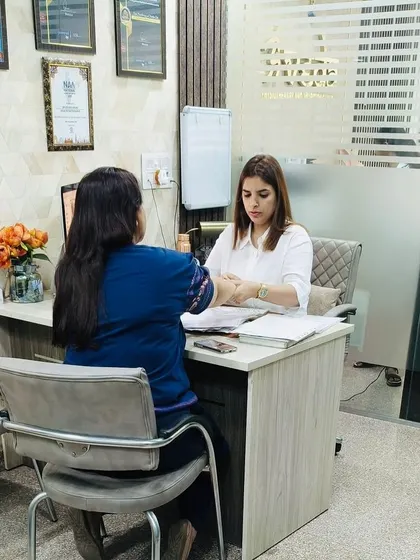
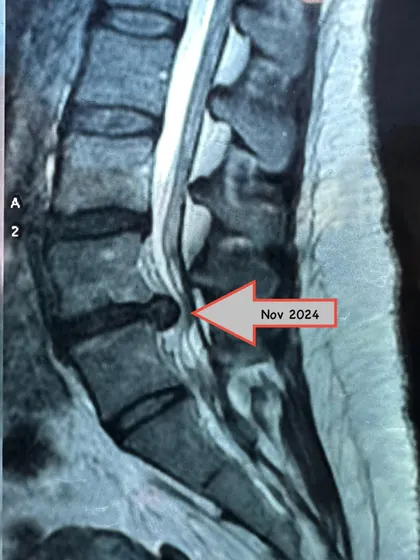
- I’ll actually sit with you, explain your MRI or X-rays, and make sure you know exactly what’s going on. No medical jargon, just straight talk.
- Stop Googling random exercises. Your pain is unique, and so should be your recovery plan.
How I Treat
- Manual therapy is my go-to. With hands-on work, I break up stiffness, restore movement, and help you feel better for real. Machines are just tools, not the main thing.
- I use spinal adjustments sometimes, but only if it’s safe for you. For things like slip disc or shoulder issues, I prefer gentle mobilizations.
- Depending on your problem, I also do dry needling, cupping, or use special tools for muscle release.
Conditions I See Often
- Longstanding back and neck pain - like slip disc, spondylosis, sciatica, postural aches from work-from-home life.
- Shoulder pain, frozen shoulder, gym injuries.
- Knee pain, ligament issues, arthritis, joint stiffness after a fracture.
Your Homework
Manual therapy and adjustments give you relief, but lasting change comes from the right exercise. No shortcut. I’ll design a plan and show you each move - but you gotta do them! Aur haan, bas dawai mat maango (and yes, don’t just ask for medicine). Let’s fix this together, the proper way.
Highlights
Browse through Shruti Raj's best work
Meet your Expert
Shruti Raj
My Story
Hi, we’re Ace of Spine. Physiotherapy isn’t just machines and quick fixes, yaar. We’ve seen folks come in thinking one ‘chatka’ (crack) sorts everything. Nahi hota aisa. Once, a cancer survivor lost use of his arm because no one cared about his shoulder after surgery. That’s why we fight for real recovery, not just survival. Patients sometimes don’t respect our work, but seeing someone walk pain-free again? Worth it. We deal with pain too, and use our own knowledge to heal. Trust thoda zaroori hai (trust is important), we genuinely care.
My Work
What we treat - Physiotherapy, chiropractic adjustments, manual therapy, rehab for back pain, frozen shoulder, ACL injuries, stroke, sports injuries.
How we work - No just machines. We use manual frozen shoulder treatment, mobilizations, root-cause pain therapy, and exercises for real results.
Chiropractic done right - We don’t crack everything. Chiropractic is for spine only, and only when it’s safe. Don’t fall for magic fix claims.
Exercise is medicine - Clinic therapy helps, but if you skip your ACL rehabilitation exercises at home, improvement won’t happen. Consistency matters.
Diagnosis first - Proper tests like X-ray or MRI before starting post-surgery physiotherapy. No guessing, only safe and effective treatment.