Pottery Tips and Techniques: Expert Lessons in Clay
Pottery is a conversation with the material. Whether you are struggling with a persistent teapot drip or perfecting your glaze, these are the lessons I have learned through trial and error at my studio.
A step by step guide on how to fix hairline cracks in bone dry pottery using a simple but effective method with vinegar and clay slip.
A few tips for a hassle free glazing process, from washing and waxing your pieces to measuring specific gravity and planning your application techniques.
A deep dive into the science of the perfect teapot pour. This video shares my research and learnings on how to design a spout that flows smoothly and doesn't drip.
About Pottery Tips & Techniques
Before you discard a cracked bone-dry piece, try this: mix a little vinegar into your clay slip. The acetic acid acts as a flocculant, helping the dry clay particles bond effectively instead of just sitting on the surface. It is a simple chemistry trick that saves hours of work and keeps your heart from breaking over a ruined pot.
Mastering the Glaze
Glazing is often the most terrifying part of the process, but it becomes manageable with repetition. Start by washing your bisque pieces a day prior, as dust causes pinholes. Always wax the bottoms to prevent fusing to the kiln shelf. My biggest advice is to track the specific gravity of your glazes. Too high, and you get thick coats that peel; too low, and the coat is too thin. I run tests to find the optimum specific gravity for every glaze and keep those measurements logged in my studio journal.
The Science of a Perfect Pour
I spent months in a rabbit hole trying to understand why teapots drip. The physics of the spout are critical. If your spout is too conical, the liquid will gurgle because the spout length cannot accommodate the flow path. I found that a flared lip with an acute, sharp-angled tip is much more effective than a sliced edge. My teapots currently have tips that are roughly 1mm thick, which cuts the flow cleanly and prevents that final, frustrating drip.
A Space to Learn
These techniques are the foundation of what we teach at our Indiranagar studio. Whether you are joining us for a 4-hour themed workshop or our immersive vocational program, we focus on the "why" behind the craft. Understanding your clay helps you make fewer mistakes and allows you to find your own style, rather than just copying what others do. If you have been struggling with your own pieces, bring them to the studio. We often find that a small adjustment in your process makes the biggest difference.
Similar work from other experts
Browse through Curated picks from other experts on mytribe


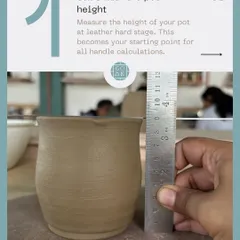
Pottery Techniques and Studio Hacks for Beginners
 6
6
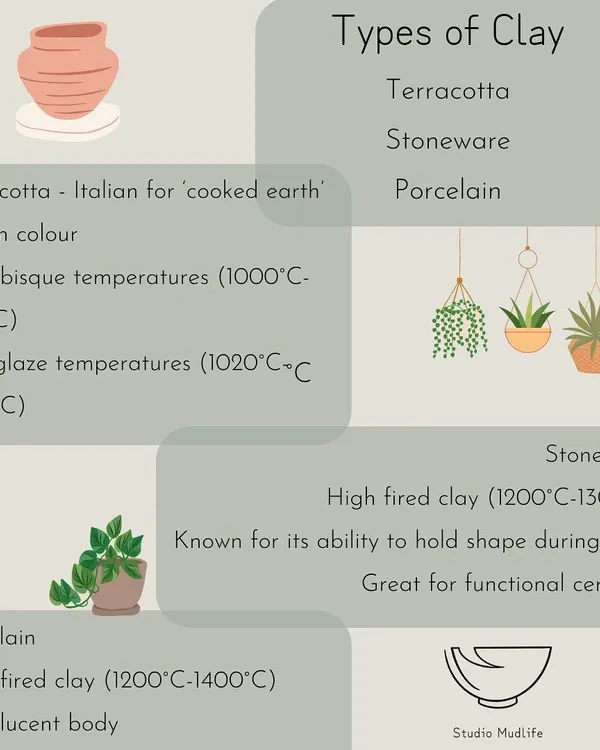
Pottery 101: Essential Techniques and Clay Knowledge
 27
27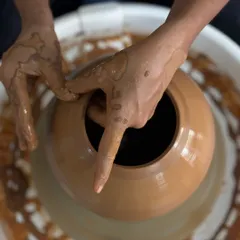
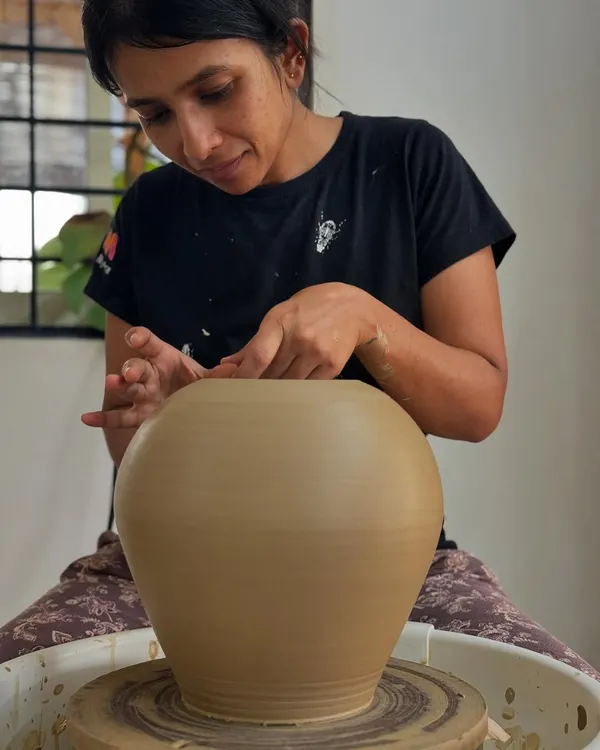
The Art of Pottery: Process and Technique
 8
8
Featured Pottery Work and Ceramic Techniques
Professional Glazing and Kiln Firing Services
The Art of the Wheel: Master Pottery in Bengaluru
More from Pottery Courses & Workshops by A Ware Studio
More services by A Ware Studio