Pottery 101: Essential Techniques and Clay Knowledge
Curious about how a lump of clay becomes a beautiful, functional mug? We are pulling back the curtain on our studio process, from wedging techniques to the science of firing.
An infographic explaining the different types of clay: Terracotta, Stoneware, and Porcelain. We use stoneware for its durability and strength, making it perfect for functional pieces.
A demonstration of three different types of "wedging," the process of removing air bubbles from clay. We show the Ram's Head, Spiral Wedging, and Slapping & Stacking techniques.
What are "chucks" and why do we use them? This video explains how using a solid clay chuck for trimming helps with centering, protects the rim of the pot, and even improves your posture.
At Studio Mudlife, we use Stoneware clay for all our functional pieces.
What is Stoneware? It's a non-porous, high-fired clay known for its durability and strength. It's food and dishwasher safe, making it ideal for cookware and dinner plates.
Pottery is all about crafting with the earth's elements: Earth (mud), Water (for throwing), Fire (for firing in the kiln), and Air (oxygen for the firing process).
About Pottery 101: Tips & Knowledge
If you have ever wondered how we keep pots from flying off the wheel during trimming, the secret is a 'chuck'. It is a simple clay support that lets us trim faster and protects the rim, plus it saves your back from unnecessary strain. We love sharing these little studio hacks because they turn a frustrating practice session into a smooth, productive one.
At Studio Mudlife, we believe that understanding the material is just as important as the technique itself. Pottery is a conversation with the earth, and knowing your clay helps you speak the language.
Why We Choose Stoneware
You will notice we use stoneware for almost all our functional pieces. Unlike terracotta, which is porous and lower-fired, stoneware is a high-fired clay. Once it goes through our gas kiln, it becomes non-porous, durable, and food-safe. It holds its shape beautifully during the firing process, which is exactly what you want when making dinnerware or mugs that need to last.
Mastering the Wedging
Before you even touch the wheel, you have to wedge. This is the process of removing air bubbles and homogenizing the clay. If you skip this, air pockets can cause your pot to explode in the kiln. We teach three main methods:
- Ram's Head: Perfect for beginners, where you fold the clay onto itself.
- Spiral Wedging: An advanced technique used for larger lumps.
- Slapping and Stacking: Great for mixing different consistencies of clay together.
The Elements of Creation
We often talk about the four elements of pottery. Earth is our clay, water helps us throw it, air is needed for oxygen in the kiln, and fire is what transforms soft mud into rock-hard ceramic. When you join our workshops in Nayandahalli, you are not just learning to make a shape. You are learning how to balance these four elements to create something that will sit on your table for years to come.
Similar work from other experts
Browse through Curated picks from other experts on mytribe
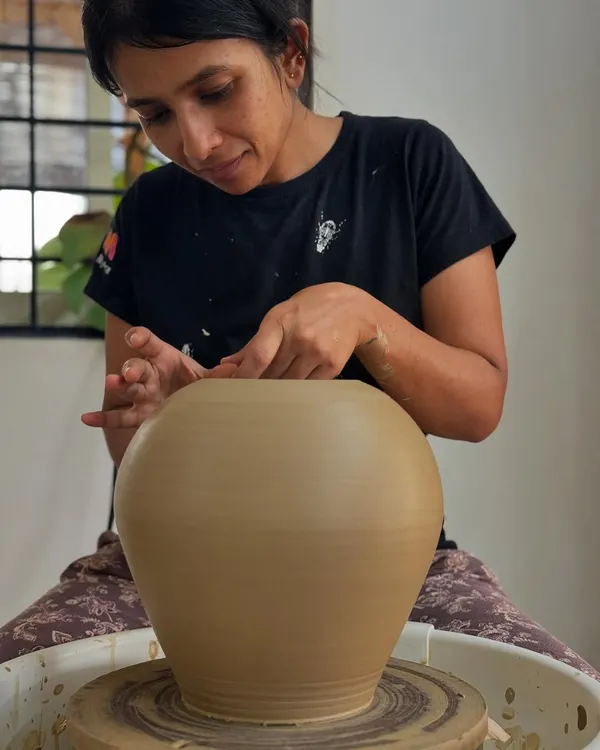
The Potter’s Process: A Behind-the-Scenes Look
The Art of the Wheel: Master Pottery in Bengaluru
 27
27
The Art of Pottery: Process and Technique
 8
8
Featured Pottery Work and Ceramic Techniques
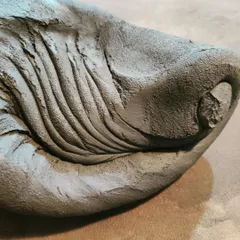
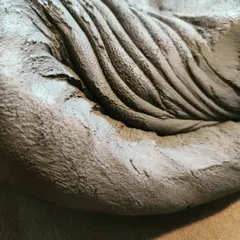
Inside Our Pottery Studio: The Art of Clay Preparation
Behind the Scenes: My Pottery Process
More from Pottery Classes & Workshops by Studio Mudlife
More services by Studio Mudlife