Pranayama: The Science of Breath
Breath is the bridge between body and mind, yet most of us have not learned to use it effectively. Discover a systematic approach to Pranayama that replaces mechanical repetition with physiological understanding and ancient wisdom.
Are you breathing correctly? Many of us develop improper breathing habits without realizing it. This video breaks down three common mistakes, such as reverse abdominal breathing and shallow breaths, and explains how to correct them for better health.
For beginners starting with pranayama, the first step is to fix foundational breathing patterns. I explain how to move from shallow or reverse breathing to a natural diaphragmatic breath, which is essential before exploring more advanced techniques.
Pranayama is not a mechanical exercise you can do while watching TV; it requires complete awareness. I discuss the core principles of the practice, emphasizing the importance of learning from a qualified teacher as stated in the Hatha Yoga Pradipika.
Wellness is not just physical. It is about the energy, or Prana, that moves the body. Here, I explain the role pranayama plays in holistic health by helping you connect with and enhance this vital energy component within you.
Learning pranayama from a teacher is very different from watching a video. In this clip, I explain why direct guidance is essential for subtle practices like breathwork, as a teacher can observe and correct what a video cannot show.
People often ask if it is okay to breathe through the mouth. I explain the three crucial functions of the nose in breathing: filtering, humidifying, and temperature-regulating the air, which is why nasal breathing is fundamental for our health.
For runners and athletes, breathing correctly is key to performance and health. I explain why it is important to practice keeping your mouth closed during intense activities and focus on the process of right breathing, not just performance metrics.
This is the informational poster for my 8-Day Pranayama Workshop, available both online and at my center in Bengaluru. The course is designed to systematically introduce you to the science of breath for stress reduction, improved focus, and overall well-being.
A short overview of my Pranayama Workshop - Level 1. This course is designed to help you calm your mind and enhance your wellness, and it is suitable for both complete beginners and experienced yoga teachers looking to deepen their understanding.
An infographic outlining three common breathing mistakes you must address. It covers reverse abdominal breathing, shallow breathing, and short exhalations, with simple fixes to help you improve your natural breathing pattern.
About Pranayama: The Science of Breath
If you find yourself holding tension in your diaphragm or unsure if your exhalation is actually grounding you, you are likely repeating common breathing errors. In this workshop, we move beyond generic exercises to fix mechanics like reverse abdominal breathing, ensuring your practice genuinely improves your Heart Rate Variability and nervous system regulation.
Pranayama is often misunderstood as a simple mechanical activity that can be learned via apps or videos. The Hatha Yoga Pradipika, however, emphasizes 'gurupadiṣṭa mārgeṇa'—the path shown by a guru. When you practice without guidance, you risk cementing bad habits that negate the potential benefits of the practice.
The Systematic Approach
My 8-day Pranayama workshop in Bengaluru (available online and offline at Chandra Layout) is designed for those who seek clarity, not just stress relief. We begin by identifying the three primary errors: reverse abdominal breathing, shallow chest respiration, and imbalanced inhalation-exhalation ratios.
Why Science Matters
We analyze the physiology of breath. By understanding how the nasal passages filter, humidify, and temperature-regulate air, you stop treating breathing as an afterthought. We also look at data—such as your Heart Rate Variability—to see how consistent, correct practice influences your autonomic nervous system.
What You Will Gain
- Technical Correction: You will learn to move from shallow breathing to deep, diaphragmatic respiration.
- Physiological Insight: Understand the link between Pranayama, HRV, and stress management.
- Structured Practice: A methodology that prepares the mind for concentration (Dharana) and eventually meditation (Dhyana).
This is not a space for quick fixes. It is for those ready to commit to the process, understand the science, and apply these principles daily to enhance their overall energy and focus.
Similar work from other experts
Browse through Curated picks from other experts on mytribe
Pranayama and Research-Backed Breathing Programs
 9
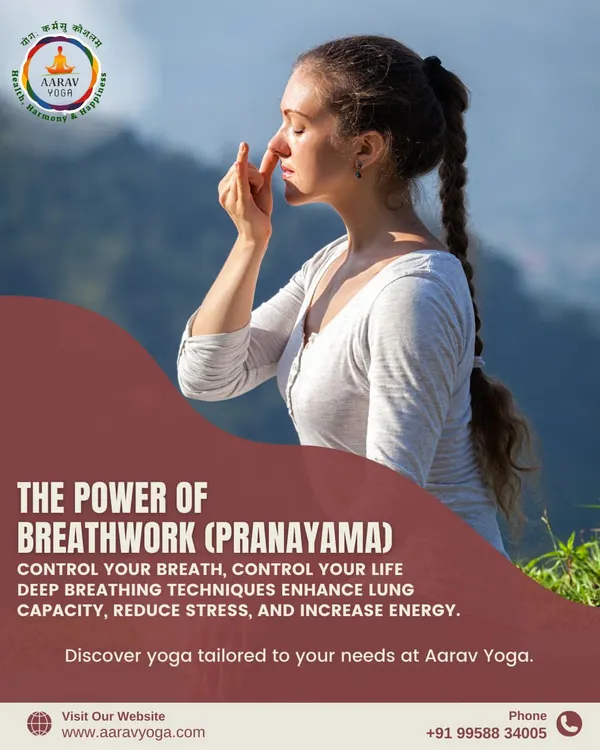
9Master Your Breath, Master Your Mind with Pranayama
 5
5
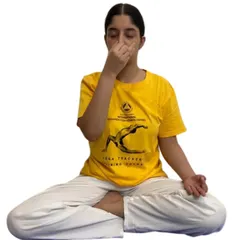
Pranayama Workshops for Breath Control and Energy
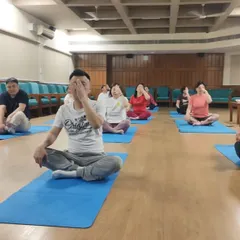
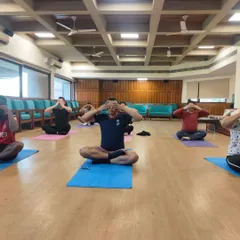
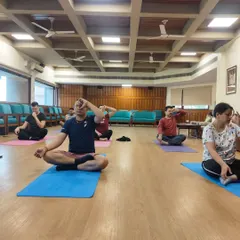
The Science of Yoga & Breath: Modern Pranayama Techniques
Master Pranayama Techniques for Calm and Energy
Pranayama: Master Your Breath for Calm & Energy
More from Specialized Yoga Workshops by Yogavijnana
More services by Yogavijnana