Guided Yoga Asana Tutorials in Kannada
Learning yoga is easier when the instructions feel natural. Here, I break down traditional asanas like Warrior I and Camel Pose in simple Kannada so you understand the alignment, the benefits, and exactly how to hold each pose safely.
In this Kannada video, I teach Virabhadrasana I (Warrior I). I explain how this pose is particularly beneficial for those who sit or drive for long hours, as it activates the lower body and helps release frozen shoulders.
Here, I guide you through Ustrasana (Camel Pose) in Kannada. I explain how to prepare for this intermediate backbend and how to use knee pads for support if you are a beginner or have knee sensitivity.
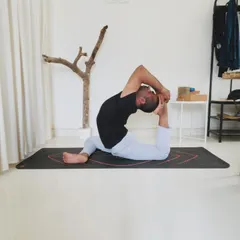
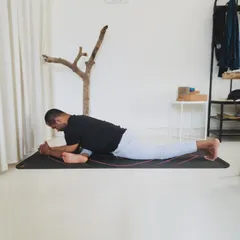
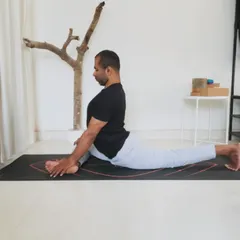
This is a tutorial for Kapotasana (Pigeon Pose) in Kannada. I explain how this asana is excellent for stretching the hips and relieving lower back pain, and how it serves as a foundational pose for front splits.
About Yoga in Kannada (ಕನ್ನಡದಲ್ಲಿ ಯೋಗ)
Yoga is not about forcing your body into a position but understanding the movement. When I guide you through an asana like Kapotasana or Ustrasana, I explain the cues in Kannada specifically so you can focus on your breathing and spine health rather than struggling to translate complex English instructions in your head.
Why I Teach in Kannada
Many of my students feel more comfortable practicing yoga when the instructions are in their native language. It helps you connect better with your breath and body awareness. My goal is to make yoga accessible to everyone, regardless of whether you are a complete beginner or looking to refine your current practice.
My Approach to Alignment
Correct alignment is the foundation of a safe practice. You will often hear me say, "nimma bennannu straight aagi itkolli" (keep your back straight). Whether we are doing standing poses like Virabhadrasana or deep hip stretches like Kapotasana, my focus is on ensuring you are not straining your joints.
In these sessions, I cover:
- Foundational Stability: How to root your feet and engage your core before moving into a pose.
- Joint Safety: Using props like cushions or blocks to modify difficult positions, especially for beginners or those with knee sensitivity.
- Therapeutic Benefits: Understanding why we do a pose—for example, how Ustrasana stretches the chest and neck, or how Warrior I helps release frozen shoulders.
How to Get Started
These tutorials are meant to guide you, but yoga is a personal journey. I encourage you to listen to your body and never push beyond your limits. If you are looking to build a consistent routine, my online classes follow a structured, safe progression. We start with warm-ups to activate your joints, move into dynamic flows, and finish with relaxation to help your muscles recover. Always remember, consistency matters more than perfection.
Similar work from other experts
Browse through Curated picks from other experts on mytribe
 29
29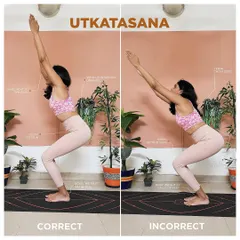
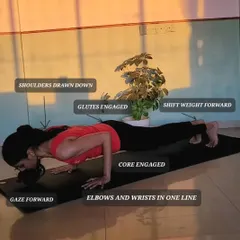
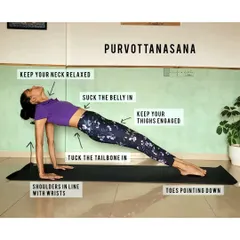
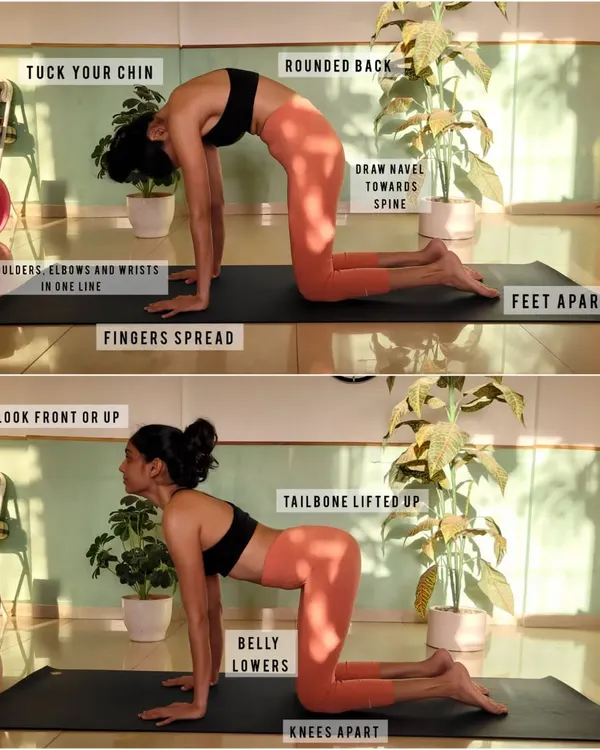
Yoga Pose Tutorials & Alignment Guides
Yoga Pose Tutorials and Alignment Guides
Master Difficult Yoga Poses with Step-by-Step Guides
Yoga Asana Tutorials & Modifications
Mastering Asanas: Step-by-Step Yoga Guides
Master Your Asana Practice: Step-by-Step Tutorials
More from Yoga for Flexibility & Mobility by Yoga for Cure
More services by Yoga for Cure