Asana Lab: Simple Guides to Fix Your Yoga Form
Forget perfect Instagram poses. Let's get your basics right so you stop hurting and start feeling the actual benefits of yoga.
Correcting common mistakes in Anjaneyasana (Low Lunge). A small tweak like dropping the shoulders away from the ears can completely change the pose, creating space and preventing neck strain.
When anxiety kicks in, I hit the mat for a Surya Namaskar (Sun Salutation). This dynamic sequence builds heat, focuses the mind, and is a powerful tool for moving stagnant energy.
A tutorial on Tadasana (Mountain Pose) with an arm variation. This foundational pose is about more than just standing; it's about creating stability and length through the entire body.
Simple seated stretches you can do anywhere. These movements are perfect for opening the shoulders, chest, and spine, especially after a long day of sitting.
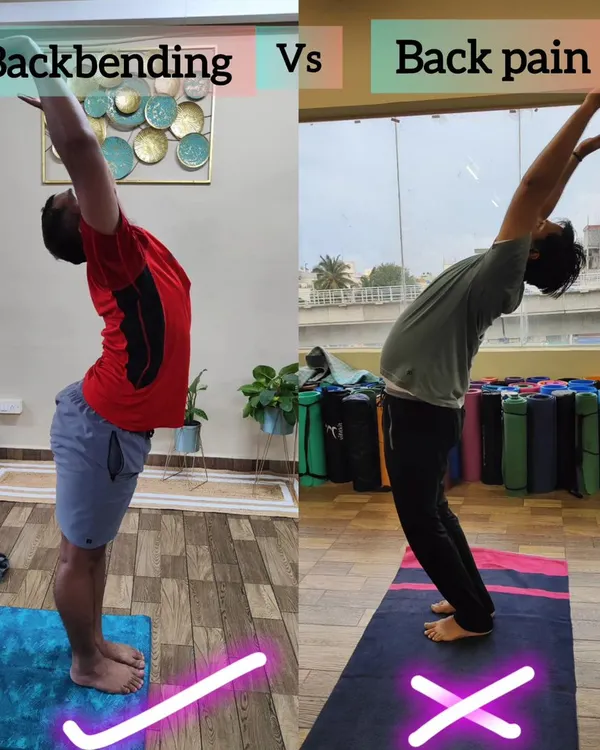
A quick and effective yoga sequence for back pain. These gentle movements help to release tension in the lower back and strengthen supporting muscles.
This is Malasana, or the Garland Pose. It's a fantastic squat for improving hip mobility and aiding digestion.
A few tips for practicing Malasana: it's best done on an empty stomach. This pose deeply connects you to your body's foundation.
Important contraindications for Malasana. Always listen to your body; this pose is not recommended if you have recent or chronic knee or lower back injuries.
Balasana, or Child's Pose, is more than just a resting posture. It's a moment to reconnect with your breath, gently stretch your back, and turn your awareness inward.
Normalizing yoga everywhere, even at the airport. A quick sequence of Warrior I and Downward Dog helps to stretch out my body after sitting and before a long flight.
About Asana Lab: Pose Guides & Tips
Take Malasana (Garland Pose) as an example. If your heels lift off the ground, don't force them down. Keep your spine straight even if you cannot go as deep as someone else. The goal is hip mobility and digestion, not looking like a gymnast. My advice? Work with where your body is today, not where you think it should be.
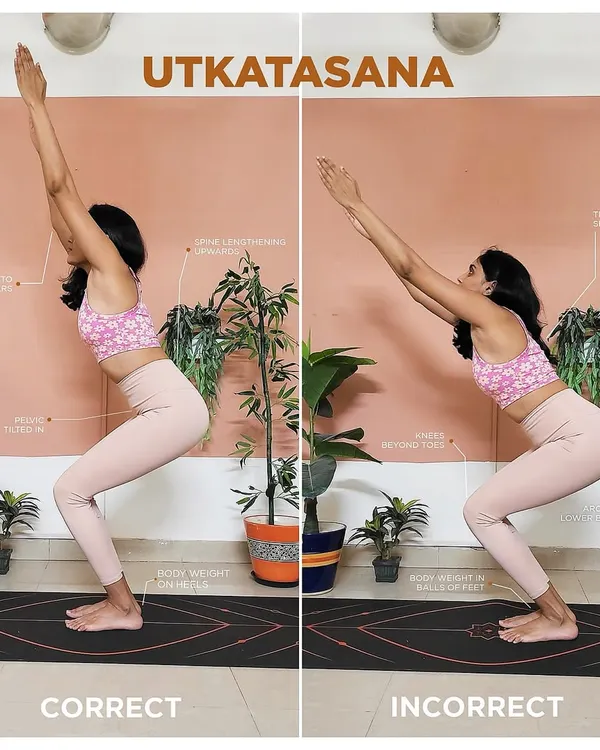
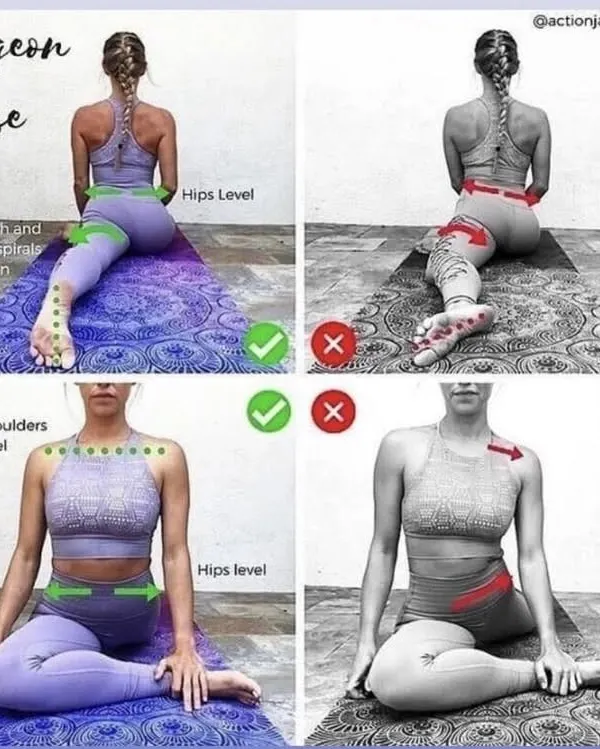
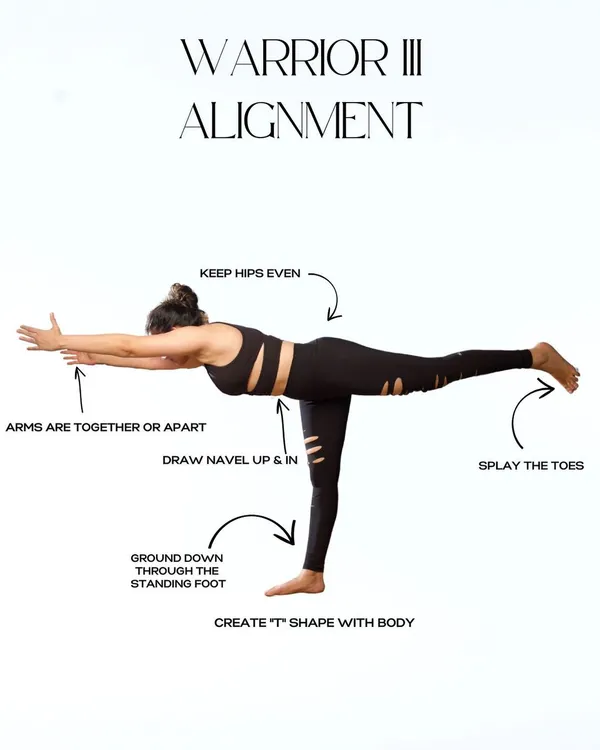
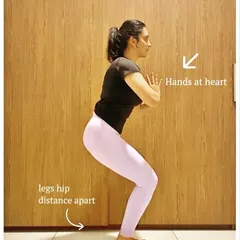
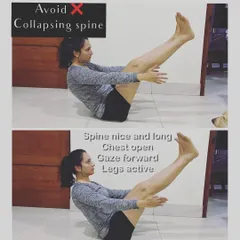
When you are practicing at home or in the office, it is easy to pick up bad habits. I see it all the time. You think you are doing Tadasana, but your shoulders are tense, or you are collapsing in your Anjaneyasana. These are small mistakes, but they add up to long-term strain instead of relief.
Why Form Matters
Yoga is about feeling good, not just sweating. If you are doing poses for back pain, posture, or screen fatigue, alignment is the difference between relief and injury.
My Approach to Poses
- Safety First: I teach you to listen to your body. If it hurts in a 'bad' way (sharp, shooting pain), stop. Period.
- Modification is Strength: Using a block, a chair, or just widening your stance is not cheating. It is smart practice.
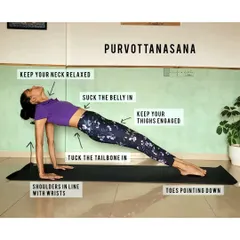
- The 'Why': I explain the anatomy behind the stretch. When you understand why you are tucking your tailbone or dropping your shoulders, you stop overthinking and start breathing.
Whether we are working on basic Hatha yoga asanas or specific chair yoga for the office, my focus is always on making the movement accessible. You do not need to be flexible to start. You just need to show up and be consistent. If you are struggling with a specific pose or keep getting the same niggle, reach out. Let’s adjust your alignment so you can finally relax into your practice.
Similar work from other experts
Browse through Curated picks from other experts on mytribe
 16
16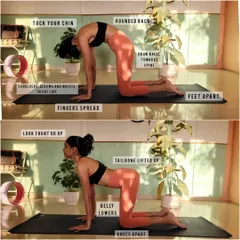
Master Your Yoga Pose Alignment and Safety
 8
8
Correct Your Yoga Form: Tutorials and Alignment Tips
Guided Yoga Asana Tutorials for Correct Alignment
Step-by-Step Yoga Asana Tutorials
 4
4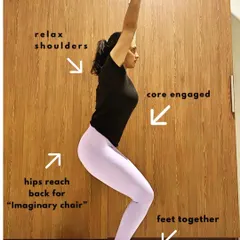
Yoga Pose Alignment: Master Your Practice Safely
 13
13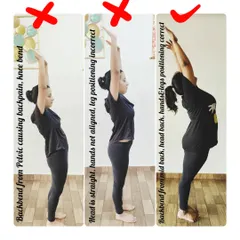

Learn the Correct Yoga Technique for Safe Practice
More from Corporate Yoga & Wellness by Swati
More services by Swati