Correct Your Yoga Form: Tutorials and Alignment Tips
Small adjustments make a big difference in your practice. Check out these tutorials on how to refine your asanas safely, prevent common injuries, and get the most out of every stretch.
Correcting your Pigeon Pose is crucial for protecting your knees and getting a true hip stretch. This guide shows how to keep your hips level and shoulders square, which is a detail I always emphasize in my classes.
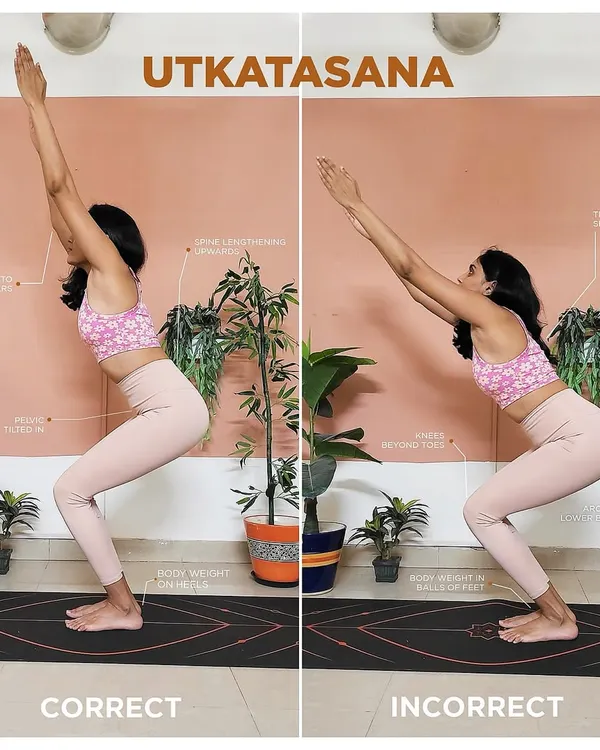
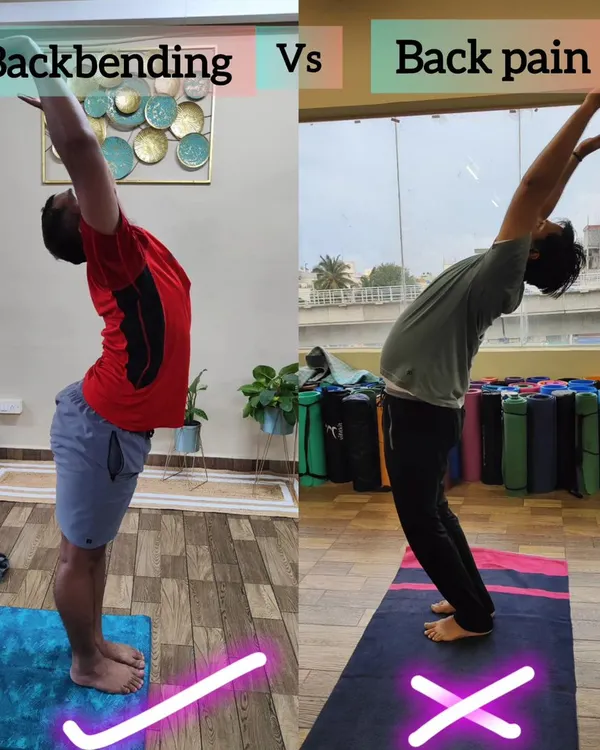
This is a perfect example of my teaching method. For each pose, there is a common mistake and a correct way. Here you see how to properly engage your muscles in forward folds and downward dog to avoid strain.
I use these "Want this? Avoid this. Try this" guides often. They clearly show how small adjustments, like bending the knees in a forward fold, can lead to a safer and more effective practice.
Here is a detailed breakdown of the correct arm position in Urdhva Mukha Svanasana (Upward Facing Dog). We focus on details like pressing the index knuckles down and pulling the shoulders back to avoid hyperextension and protect the wrists.
This is a sample of a 30-minute energizing Vinyasa sequence. I design flows like this to logically progress from one pose to the next, building heat and energy in the body.
This is the first step for a deep side stretch. I teach students to start here, focusing on the foundation of the pose before moving deeper.
If you can't reach your foot in a side stretch, use a prop like a strap. This image shows how a strap can help you maintain good form and get a deep stretch in the side body and hamstrings without compromising alignment.
This is the goal of the side stretch. With consistent practice and the right techniques, you can achieve this deep expression of the pose, opening up the entire side of your body.
About Correcting Your Form: Pose Tutorials
In my online and private classes, we slow down to look at how your index knuckles press down or where your shoulders sit in a downward dog. It is the micro-adjustments, not just the flexibility, that keep your practice safe and sustainable for the long run.
Proper alignment is not just about looking perfect in a pose. It is about understanding how your body moves so you can practice for years without injury. Whether you are a beginner struggling with stiffness or an advanced practitioner working on inversions, your form determines your progress.
Why Alignment Changes Everything
Many students join my sessions thinking they need more flexibility. Often, they just need better structural support. For example, in an Upward Facing Dog, if you do not engage your shoulders properly or push through your hands correctly, you put unnecessary pressure on your lower back. I teach you to use props like blocks and straps to bridge that gap until your body builds the strength to hold the pose on its own.
The 'Ek-Ek Part' Approach
I break down complex asanas into manageable drills. We work on:
- Foundation: Pressing the correct knuckles, squaring the hips, and spiraling the thighs.
- Safety: Using props to protect sensitive joints like knees and wrists.
- Progression: Moving from basic shapes to advanced expressions only when the body is ready.
Common Challenges We Solve
- Hunched Backs: Using wall drills to open the thoracic spine.
- Wrist Pain: Learning how to distribute weight through the full palm.
- Hip Stiffness: Understanding how to square the pelvis in Pigeon Pose or deep lunges.
Do not force your body to match a picture. Let us work on your specific anatomy, whether you are training at my studio in Gurugram or joining my online advanced yoga batches.
Similar work from other experts
Browse through Curated picks from other experts on mytribe
 16
16
Master Your Yoga Pose Alignment and Safety
Mastering Yoga Asanas with Correct Alignment
 4
4
Yoga Pose Alignment: Master Your Practice Safely
Guided Yoga Asana Tutorials for Correct Alignment
Master Your Yoga Posture with Proven Techniques
 13
13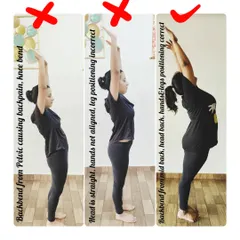

Learn the Correct Yoga Technique for Safe Practice
More from Advanced Yoga Training by Aryan Yogshala
More services by Aryan Yogshala