Punjab Gharana Tabla Performances & Artistic Milestones
A glimpse into my musical journey, featuring performances, traditional compositions, and the rhythm of the Punjab Gharana.
This is the heart of my music, a traditional Chakradar in Teentaal from the Punjab Gharana, composed by the great Ustad Allarakha Khan Sahab. Playing with the city skyline behind me was a special experience, connecting the ancient rhythms with the pulse of modern life.
There is a unique energy when playing for an audience. Here, I am presenting a beautiful composition of my Guru, a Chakradar, during a live concert. The connection with the listeners is a blessing, and I am always grateful for these moments of shared musical hazri.
I am humbled and honored to have received the Bharat Ratna M.S. Subbulakshmi Fellowship Award. This recognition is not just for me, but for my Gurus, my parents, and the timeless tradition of the Punjab gharana that I represent.
The language of tabla is spoken not just with the hands, but with the voice. In my lessons, I teach students how to recite the bols, as I am doing here for a composition in Roopak Taal. This practice is key to internalizing the rhythm before you play it.
This is me with my Ustadji, Joginder Singh Ji. The Guru-shishya parampara is the foundation of my learning and my teaching. Every lesson I share is a continuation of the knowledge and blessings he has so generously given me.
Clarity and power in every stroke are hallmarks of the Punjab Gharana style. This video gives a close look at the hand techniques and finger movements required to produce the distinct bols of our tradition. We will work on these details from the very first class.
The beauty of Indian classical music lies in its vast ocean of rhythmic cycles. Here, I am playing a traditional Qaida in Jhaptaal, a 10-beat cycle, surrounded by nature. It’s a reminder that rhythm is everywhere.
My Guruji composed this special Qaida in Teentaal, drawing inspiration from the powerful Pakhawaj drum. In my advanced classes, we explore such unique compositions that blend different classical influences while staying rooted in the Punjab gharana.
About Featured
You will notice that my performance style is heavily influenced by the Pakhawaj Ang, a distinctive element of the Punjab Gharana. It creates a powerful, resonance-heavy sound that differs from other classical traditions. Whether I am playing a complex Chakradar or a foundational Qaida, I focus on the clarity of the bol, ensuring each syllable resonates with the discipline passed down by my Ustadji.
My musical foundation rests on the Punjab Gharana, a tradition renowned for its intricate rhythm mathematics and powerful performance style. In this cluster, you see moments from my journey—from performing live at major venues to the dedicated hours of Ryaaz required to master cycles like Teentaal and Jhaptaal.
The Importance of Tradition
Learning tabla is not just about moving hands; it is about understanding the language of the instrument. I teach students how to recite the bols before playing them, ensuring the rhythm is internalized. This is a core part of the Guru-Shishya parampara. We explore how to construct a solo performance, focusing on speed building through Rela techniques and the structural beauty of a Chakradar.
Technical Approach
My teaching covers the full spectrum of classical tabla performance:
- Hand Placement (Nikass): Mastering the stroke to produce clean, distinct sounds.
- Rhythmic Cycles: Moving from basic Teentaal (16 beats) to complex compositions.
- Compositional Toolkit: Understanding the difference between Qaida, Gat, and Tukra.
Whether you are a beginner looking to understand the basics of rhythm or an advanced student wanting to refine your technique for a solo performance, the goal is the same—to find your own voice within the vast ocean of Indian classical music. Discipline and sincerity are the only prerequisites for this journey.
Similar work from other experts
Browse through Curated picks from other experts on mytribe
 5
5
Tabla Performances Inspired by Punjab Gharana Tradition
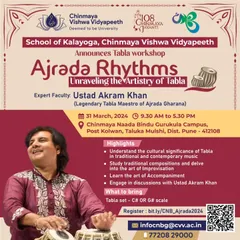
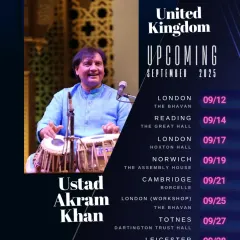
Mastering the Ajrada Gharana Tabla Style
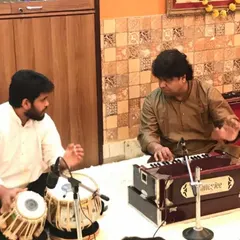
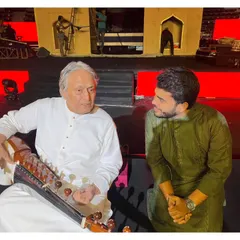
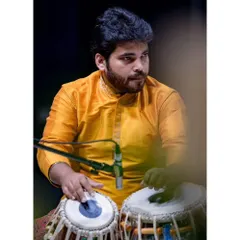
Discover the Farukhabad Gharana Tabla Style
The Art of Tabla: Solos and Traditional Practice
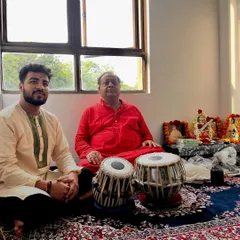
Classical Tabla and Pakhavaj Performances & Coaching
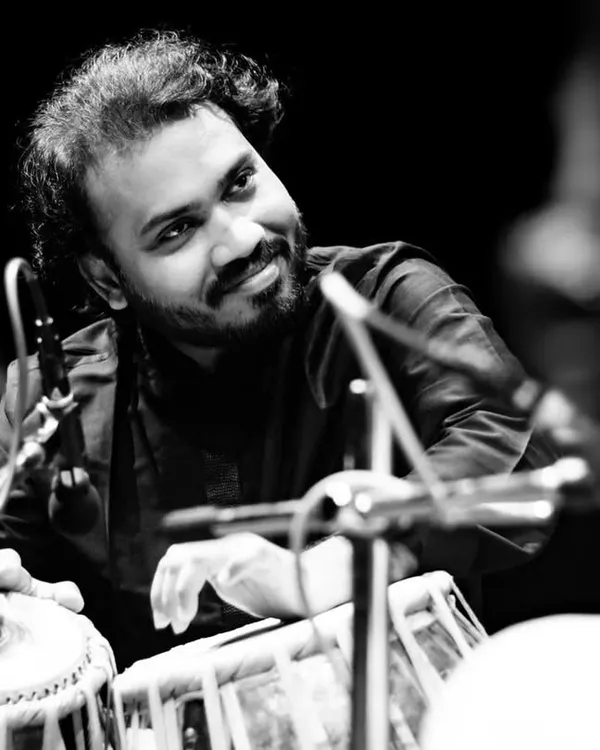 8
8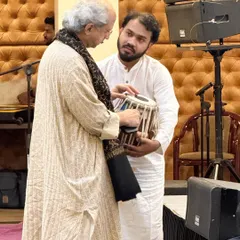
Tabla Performances and Traditional Teaching Moments
More from Tabla Lessons by Surjeet Singh
More services by Surjeet Singh