Tabla Ryaaz and Punjab Gharana Practice
Ryaaz is not just repetition; it is a conversation with the instrument. Here is how I approach my daily discipline in the Punjab Gharana tradition.
Ek koshish. A simple, focused moment of ryaaz at home. This is where the real learning happens, in the quiet hours spent with the tabla.
Practicing a Teental chalan composed by my Guruji. Even a simple practice session is an opportunity to connect with the teachings of my Guru.
Trying out my new tablas from Rabab Musicals. The sound and feel of a new instrument is always inspiring and motivates long hours of practice.
A quiet evening of practice in Mumbai. The city's energy fades into the background as I focus on the rhythm.
Another moment from the same practice session. Notice the setup with multiple tablas, allowing for practice on instruments tuned to different scales.
Lost in the sound. Ryaaz is a form of meditation, where the outside world disappears and only the bols remain.
A close-up of my constant companions. This is the view I have for hours every day. The tabla is more than an instrument; it's a part of me.
A practice session at Groovybaby Studio in Mumbai. Even when rehearsing for a project, the core principles of ryaaz remain the same.
My practice setup. You can see my tabla, a notebook for compositions, a laptop for recording and reference, and other percussion instruments. This is my creative space.
A moment of peace during a photoshoot, but the feeling is the same as in ryaaz. Dedication and sincere practice remove all fear.
About The Soul of Ryaaz: Daily Practice
In my sessions, we do not start with speed. We focus entirely on Nikass—the specific hand placement that defines the Punjab Gharana sound. Most beginners struggle because their posture is too stiff, so I spend the first few weeks correcting this to ensure you get a clean, resonant sound from every bol.
Ryaaz is a daily koshish (attempt) to align the mind and the fingers. It is where technique meets spirituality. When you watch me play, you see the result of years of consistency, but the real work happens in the silent hours of practice. My approach to teaching reflects this.
The Punjab Gharana Foundation
My lessons are rooted in the Punjab Gharana, known for its powerful style and technical depth. We do not skip steps. We begin with the basics: how to sit, how to hold your hands, and how to produce a clear, resonant tone. You will learn the foundational rhythmic cycles like Teentaal and Jhaptaal before we move into more complex compositions like Qaida, Rela, and Gatt.
Building Your Discipline
I follow the traditional Guru-Shishya system. This is not a fast-track course; it is a journey. You will get my full attention during our one-on-one sessions, where we move at your pace. I encourage my students to record our sessions for their own ryaaz so they can internalize the bols (syllables) and the beat mathematics between classes.
What to Expect in Lessons
- Posture & Sound: Correcting hand placement for tonal clarity.
- Repertoire: Step-by-step learning of traditional compositions.
- Theory: Understanding the taal and the logic behind the rhythm.
- Flexibility: I offer lessons both online and offline at my studios in Mumbai and Delhi NCR.
Whether you are a beginner looking to understand the basics or an advanced student wanting to refine your solo performance skills, my goal is to help you build the discipline to find your own voice.
Similar work from other experts
Browse through Curated picks from other experts on mytribe
The Art of Tabla: Solos and Traditional Practice
Tabla Riyaz and Practice Techniques
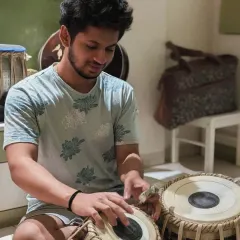
Riyaz: The Foundation of Punjab Gharana Tabla
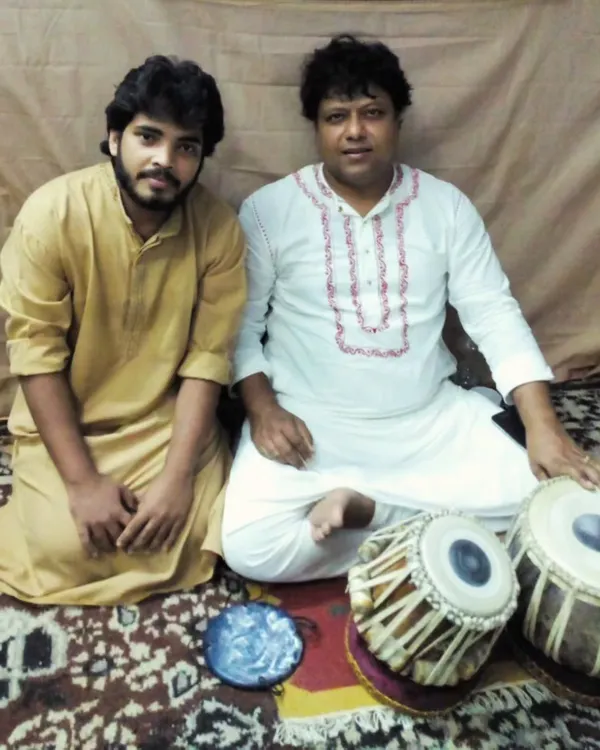 19
19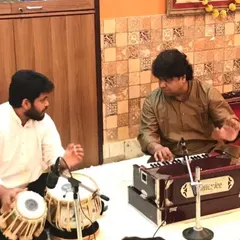
Learn the Farukhabad Gharana Tabla Style
Riyaz & Sadhana: My Daily Practice
Master the Delhi Gharana: Authentic Tabla Lessons
More from Tabla Lessons by Surjeet Singh
More services by Surjeet Singh