The Journey of Clay: How We Make Ceramics
Pottery is so much more than just the final piece. Come behind the scenes at Studio Mudlife to see the messy, rewarding journey from a raw lump of clay to the high-temperature kiln firing.
**(Repeated from Featured)** Take a look at what goes into a full production cycle. This was a hectic but rewarding two weeks, turning out 90 pieces. From wedging clay to the final glaze firing, we pour our hearts into every step.
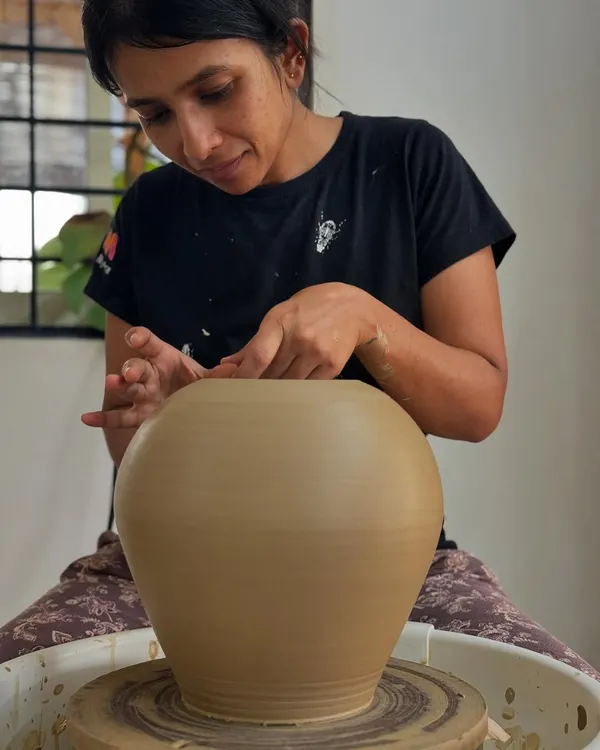
My throwing debut on this page. This short video shows the process of transforming a lump of clay into a cylinder on the wheel, a process that is incredibly relaxing and meditative.
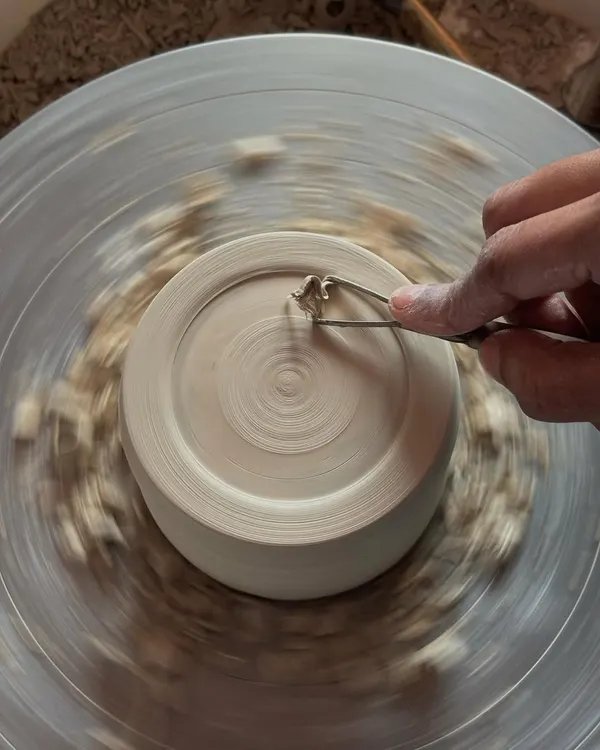
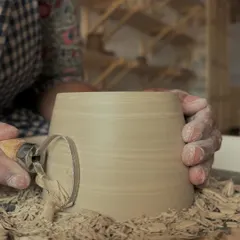
Trimming is a key step to refine the shape and create a foot for the piece. Here, Mahanth is trimming and faceting coffee mugs, a process he thoroughly enjoys.
An 11-hour glaze day at Mudlife. We glazed about 80 pieces, experimenting with new techniques. You can even spot some of our students' work ready to be fired.
Unloading the bisque firing. At this stage, the pieces are hard and porous, ready for glazing. We have to carefully inspect and arrange them for the next step.
A 16-hour day prepping for a kiln opening. We waxed the bottom of every piece, glazed them, cleaned them, and finally loaded the kiln late at night.
Wedging is the process of kneading clay to remove air bubbles and create a uniform consistency. Here, Mahanth is wedging a large batch of reclaimed clay.
Mahanth demonstrating how to throw a cylinder. This simple, elegant form is a staple of our collection and a foundational skill we teach in our classes.
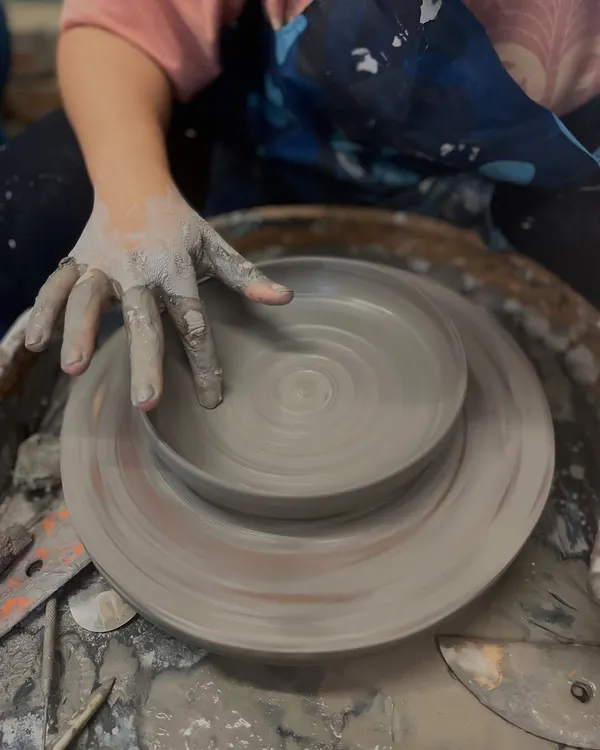
Making pasta bowls. This video shows the process of throwing a wide, flared bowl on the wheel, perfect for your favorite pasta dishes.
We've begun production in full force. It's exciting to see our shelves fill up with freshly thrown pieces, ready for the next stages of drying, trimming, and firing.
About From Clay to Kiln: Our Process
Pottery is rarely as clean as it looks in final photos. Before you hold a mug, it goes through hours of wedging to remove air bubbles, precise trimming on the wheel to form the foot, and a high-temperature reduction firing in our gas kiln. When we load the kiln, it’s a delicate balancing act—every piece must be waxed at the bottom to prevent glaze from sticking to the shelves, and a single mistake can ruin the batch.
There is a reason we call it 'Studio Mudlife.' The lifecycle of a single ceramic piece is long and often unpredictable. It begins with wedging, where Mahanth kneads the reclaimed clay to ensure uniform consistency, which is crucial before it even touches the wheel. From there, it's about the 'pull'—creating the initial form, whether it’s a pasta bowl or a coffee mug.
Trimming is where the real shape emerges. Mahanth spends hours faceting mugs and refining their feet, ensuring they aren't just aesthetic but functional—a proper foot prevents heat from transferring directly to your table.
The most technical part of our process is the firing. Unlike standard electric kilns, we use a gas kiln for reduction firing, reaching temperatures of 1285°C. This creates those earthy, speckled, and complex finishes you see in our collection. It’s chemistry and labor combined. We spend 11 to 16 hours on glaze days, mixing our own formulas and dipping each piece by hand. We have to wax every single bottom to prevent the glaze from fusing the pottery to our kiln shelves. It's labor-intensive, it’s messy, and it’s the only way to get the quality we love. Whether you’re joining us for a beginner workshop or a month-long course, you’ll be doing exactly this: learning to work with the clay, not against it.
Similar work from other experts
Browse through Curated picks from other experts on mytribe
 27
27
The Art of Pottery: Process and Technique
 16
16
The Process: From Clay to Kiln
 28
28
Behind the Clay: A Look Inside Our Studio
 53
53Pottery Created by Our Students
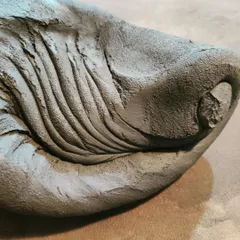
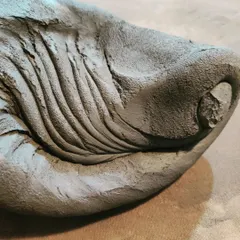
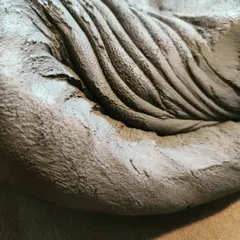
Inside Our Pottery Studio: The Art of Clay Preparation
Behind the Scenes: My Pottery Process
More from Pottery Classes & Workshops by Studio Mudlife
More services by Studio Mudlife