Rammed Earth Architecture: Building with Raw, Natural Materials
I believe materials have a voice. My work explores the raw beauty of elements like rammed earth and exposed concrete to create structures that resonate with the natural colours of the earth.
The beautiful, layered tones of a rammed earth wall under construction in Almora. This ancient building technique uses locally sourced soil to create walls that are both structurally sound and aesthetically connected to the land.
A newly completed rammed earth wall, with the jute sacks used during the curing process lying nearby. The horizontal layers reveal the process of compaction, creating a texture that is both raw and refined.
A finished rammed earth wall stands in the foreground of the Himalayan landscape. In the background, a polyhouse for farming shows the connection between our architectural work and the agricultural context of the region.
About A Dialogue with Materials: Earth, Concrete, and Light
Rammed earth is not a simple building technique. It is a conversation with the site itself. When I work with local soil in regions like Almora, I am compressing the landscape into a wall, which requires specific curing times and careful structural planning to ensure long-term durability alongside that raw, layered aesthetic.
Building with earth is an exercise in patience and precision. Unlike modern materials that hide their creation, rammed earth reveals the process in every horizontal layer. My method involves using locally sourced soil, which reduces the carbon footprint and anchors the structure within its specific geological context.
The Process of Earth Construction
Every wall begins with a mix of local earth, stabilizers, and aggregates. We compact this mixture in formwork, creating a dense, monolithic structure that offers excellent thermal mass—keeping interiors cool in summer and warm in winter. The curing phase is crucial. As seen in my recent projects, we use jute sacks to manage moisture evaporation, ensuring the walls dry uniformly to prevent cracks and maintain their structural integrity.
Materiality and Texture
The beauty of these walls lies in their imperfection and depth. The subtle variations in colour and texture are determined by the soil composition at each site, making every build truly singular. By pairing these earthen elements with exposed concrete and timber, I aim to create a dialogue between the archaic and the modern.
Why Consider Earth-Based Design?
- Sustainability: Low embodied energy compared to fired bricks or cement blocks.
- Thermal Performance: Naturally regulates indoor temperatures.
- Aesthetic Value: Creates a tactile, raw finish that ages gracefully over time.
Whether designing a farmhouse in Himachal or an urban residence, my focus remains on this honest material usage. If you are looking to move away from conventional finishes and explore the structural possibilities of natural materials, let us discuss how these techniques can be adapted to your project.
Similar work from other experts
Browse through Curated picks from other experts on mytribe
 12
12
Material Craft: Bamboo, Stone & Upcycled Elements
The Craft of Sustainable Building
 13
13
The Art of Raw Materials: Exposed Concrete & Natural Stone
 9
9
Architecture in Brick, Steel, and Bamboo
 33
33
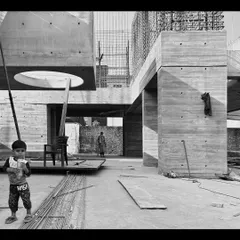
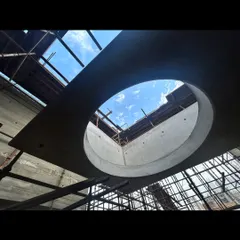
The Anatomy of Construction: Concrete, Form, and Light
 22
22
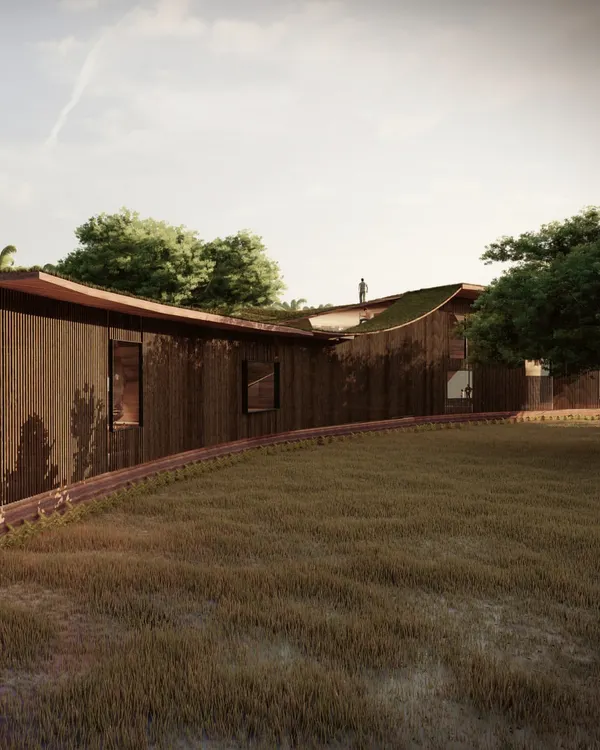
Architecture in Dialogue with Nature: Eco-Sensitive Design
More from Landscape Architecture by Studio HKAD
More services by Studio HKAD