Heritage Restoration & Adaptive Reuse in Delhi Ncr

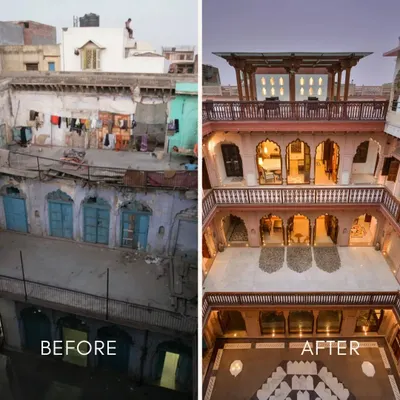
I restore old havelis by mapping every detail, strengthening structures with modern methods, and working with traditional artisans to turn heritage buildings into functional spaces like hotels and museums.
Pricing Guide
ESTIMATESAbout Heritage Restoration & Adaptive Reuse
Why I Restore Old Buildings
I see heritage buildings as the storytellers of our city. Restoring them isn't just about fixing old structures, it's about bringing their stories and souls back to life. Especially in places like Old Delhi, these havelis are more than bricks - they're memories and living culture. My approach is always about mixing old charm with new life, making these spaces useful and relevant again.
How I Work
Restoration is slow, detailed work - sometimes it takes years. Most of these buildings have no drawings left, so I start by mapping every crack and corner. It's a mix of detective work and engineering:
- Careful surveys and measured drawings before any work begins
- Strengthening weak spots using things like epoxy grouting, FRP wraps, and sometimes adding new columns
- Fixing collapsed floors or shaky foundations with patience
Finding the right artisans is half the job. I track down craftspeople from different parts of North India who still know the old ways, so everything feels real and not just 'for show'.
My Projects
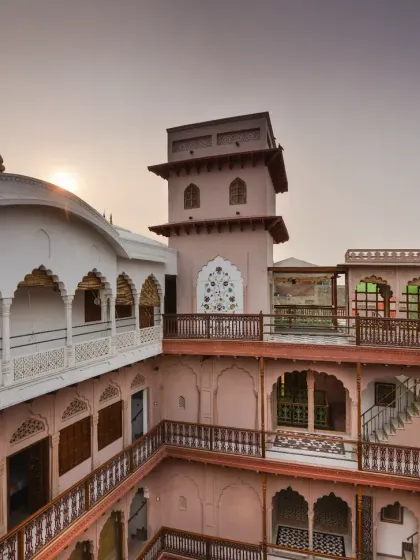
I've spent years working on the havelis of Shahjahanabad. Each one is a mashup of Mughal, Rajasthani, Jain, and Hindu styles. The stuff I restore most:
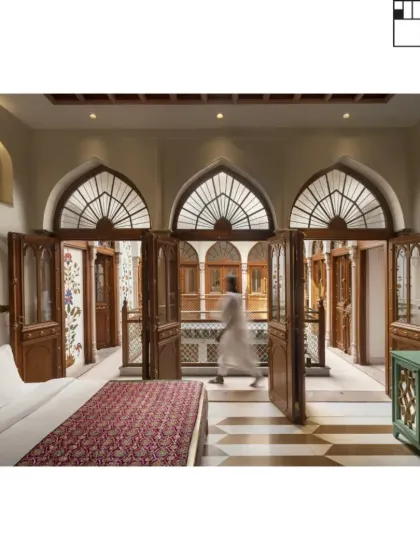
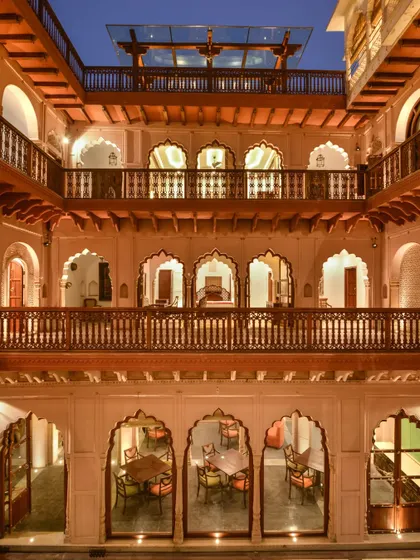
- Courtyard layouts, jaalis (latticework), jharokhas (overhanging windows), lakhori bricks, chattris (dome pavilions)
- Adaptive reuse of havelis - turning ruins into hotels, museums, places people actually use
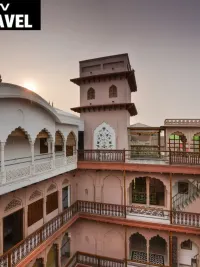
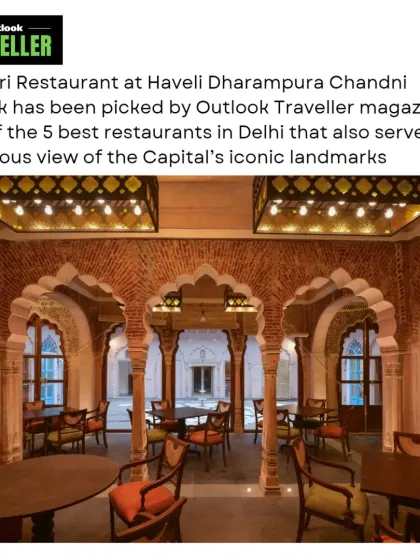
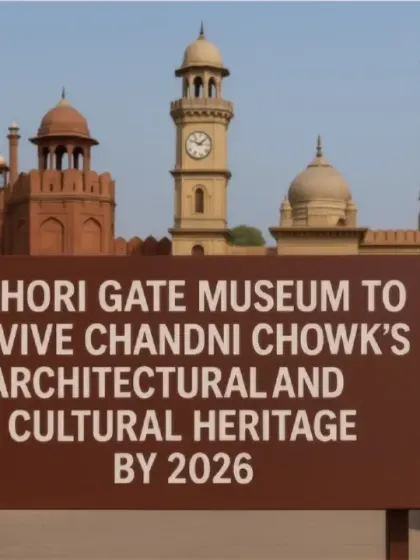
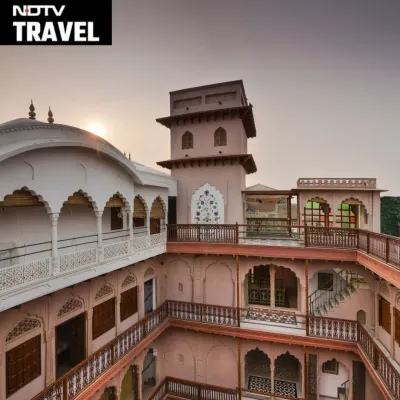
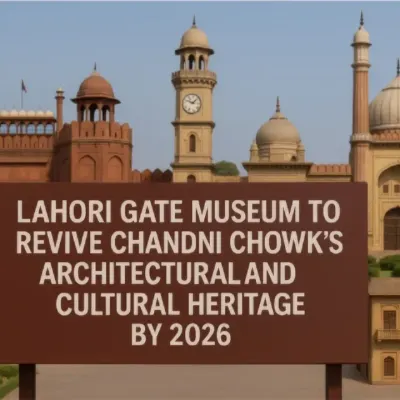
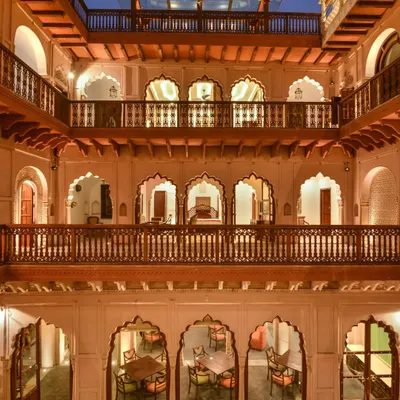
Some of my work: Haveli Dharampura (now a boutique hotel), Golden Haveli, and the ongoing Lahori Gate Haveli project.
Recognition
People noticed the effort. The Haveli Dharampura project even got the UNESCO Asia-Pacific Award for Cultural Heritage. That’s proof that with the right care, old buildings can live again.
Highlights
Browse through Kapil Krishan Aggarwal's best work
Meet your Expert
Kapil Krishan Aggarwal
My Story
My first project? Not some fancy building, just a chair. And let me tell you, that chair taught me more than any textbook. Proportion, materials, how design hits you in the gut. From there, I went from making furniture to shaping entire farmhouses. We’re all about craft and curiosity here. Restoring places like Haveli Dharampura isn’t just work, it’s saving stories. I drag our young architects on heritage walks—history isn’t in books, it’s in the bricks. That’s our thing: spaces that feel alive.
My Work
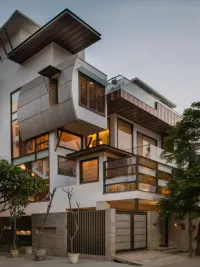
What We Do - High-end residential like villas, adaptive reuse architecture, bespoke office interiors, boutique hospitality design, and Mughal-era haveli restoration.
Modern Meets Heritage - We mix bold, clean lines with old-school restoration, keeping the soul of the place alive.
Art in Every Corner - We work with local artists so architecture and art blend together—murals, sculptures, you name it.
Spaces That Tell Stories - Every detail, from skylights to brick walls, is there to make you feel something, not just fill space.
Who We Click With - Clients who want meaning, craft, and a space that’s got real character—layered, personal, connected.