Lahori Gate Museum: Restoring Delhi's Heritage
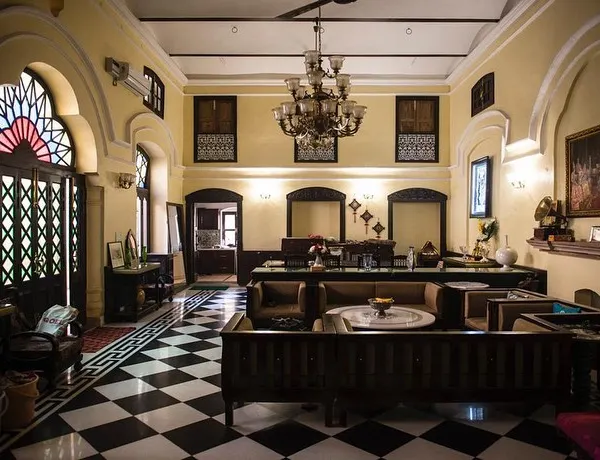
We are breathing new life into the historic Lahori Gate Haveli, transforming a 96-year-old structure into a vibrant museum that preserves the architectural legacy of Shahjahanabad.
The Lahori Gate Museum project, as featured in The Architecture & Planning News, is a vital example of adaptive reuse. We are reviving this heritage structure to tell the story of Chandni Chowk's cultural legacy.
Speaking to the media about my vision for the Lahori Gate Museum. I believe this project will offer a unique perspective on Delhi's history by showcasing it within a living, restored heritage building.
News clippings from national dailies covering the transformation of the Lahori Gate Haveli into a museum. This project continues our commitment to heritage conservation in the heart of Old Delhi.
A glimpse of the press conference and the ongoing restoration work at the Lahori Gate Haveli. The museum will house artifacts, narrative panels, and digital tools to recreate the history of Shahjahanabad.
A feature in the Hindustan Times on the restoration of the 96-year-old Lahori Gate Haveli. The article highlights our efforts to transform the once-crumbling structure into a vibrant museum and interpretation center.
About Lahori Gate Museum: The Future of Heritage
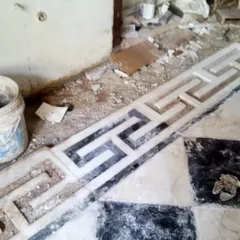
Restoring a structure like the Lahori Gate Haveli requires more than just construction skill. Before we laid a single brick, we engaged in months of meticulous distress mapping to identify structural cracks and dampness. This is not just about appearances, it is about forensic architectural repair where we use period-correct materials like lime plaster and Dholpur stone to ensure the building survives for another century.
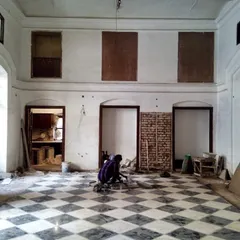
Adaptive reuse is often misunderstood as simple renovation. At the Lahori Gate Haveli, our challenge was to honor a 96-year-old structure that had fallen into deep disrepair while preparing it for its new life as a public museum. We approached this not as a standard renovation, but as an act of architectural resurrection.
The process began with exhaustive digital archiving and measured drawings, as most original plans for these heritage structures have long vanished. We performed a detailed structural analysis, identifying foundation weaknesses that required micro-concreting and epoxy grouting to safely support the weight of a public-facing institution. Every design decision was anchored in our research into the building's lineage, ensuring that our interventions in steel and glass harmonized with the existing Mughal and colonial elements.
Creating a museum within a haveli means navigating the balance between historical narrative and modern accessibility. We strategically concealed modern MEP requirements behind period-appropriate cornices and woodwork. Our goal is to ensure the museum functions as a living archive for Shahjahanabad, with exhibition spaces and audiovisual tools that tell the story of the surrounding Chandni Chowk markets. This project is a dialogue between the past and the future, intended to ensure that our city's heritage is not just preserved in books, but experienced in the very bricks we have stabilized.
Similar work from other experts
Browse through Curated picks from other experts on mytribe
 12
12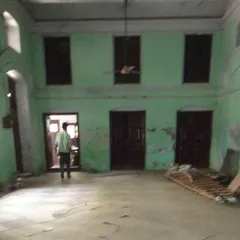
Heritage Restoration: Breathing Life into Architectural History
 5
5
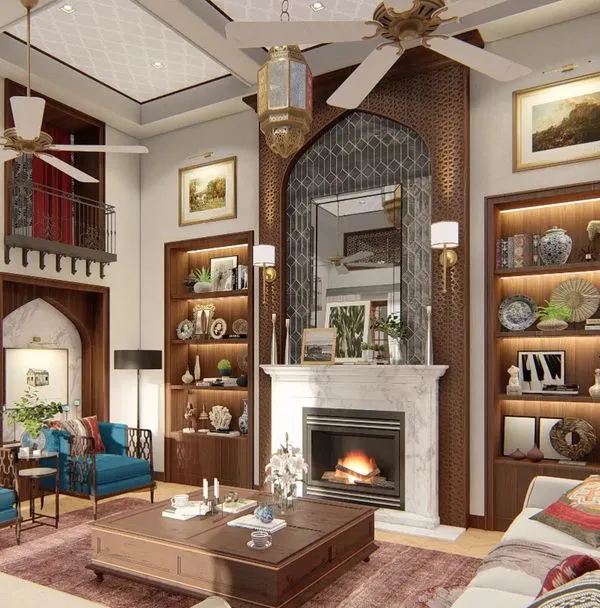
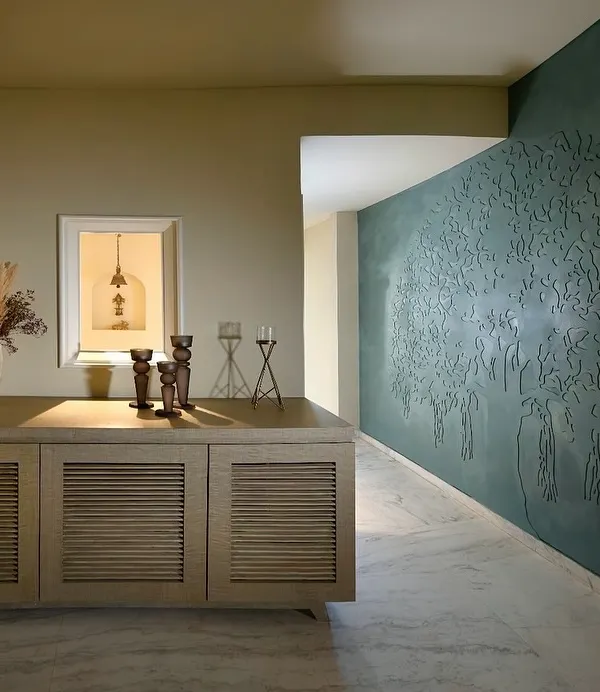
Heritage Revival and Modern Interior Design in Old Delhi
 7
7
Modernizing Old Delhi Homes with Soul
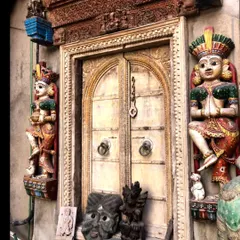
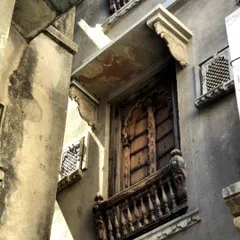
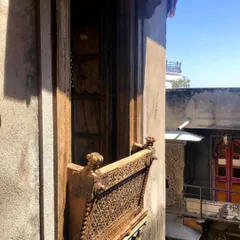
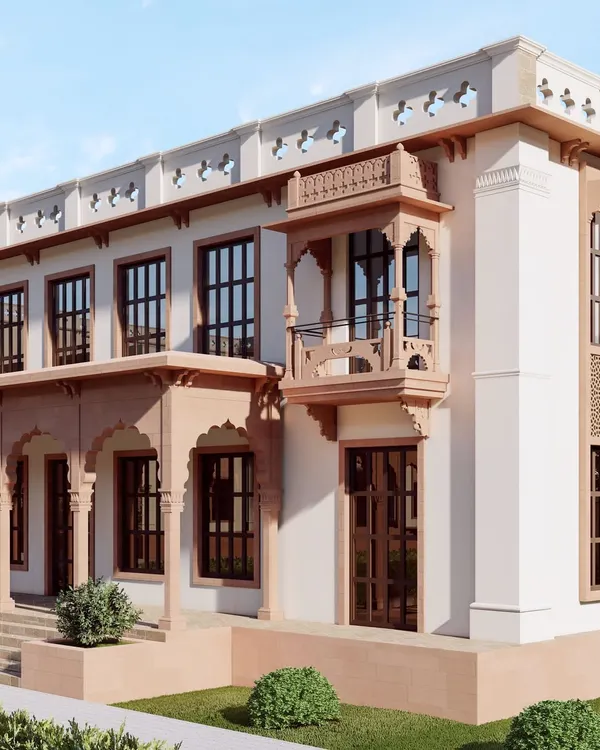
Heritage-Inspired Design & Restoration Services
 18
18
Heritage Reimagined: The Banaras Haveli Restoration
 4
4
Heritage and Contextual Commercial Design
More from Heritage Restoration & Adaptive Reuse by Kapil Krishan Aggarwal
More services by Kapil Krishan Aggarwal