Museum Design and Heritage Restoration
We approach cultural spaces as custodians of memory. Our design process focuses on adaptive reuse, ensuring that historical structures remain relevant, accessible, and deeply rooted in their original narrative.
A video tour of our project to revitalize Sister Nivedita's historic house in Kolkata. It shows how we adapted the Grade-I heritage structure into a public museum, making strategic additions like a new staircase and lift to improve accessibility while preserving its cultural narrative.
The arched hallway of the Sister Nivedita Museum, where restored brickwork and new bas-relief panels coexist. Our restoration philosophy involves a careful dialogue between the old and the new, respecting the building's original character.
The arched hallway of the Sister Nivedita Museum, where restored brickwork and new bas-relief panels coexist. Our restoration philosophy involves a careful dialogue between the old and the new, respecting the building's original character.
The new public staircase we introduced at the Sister Nivedita Museum. Crafted from steel and wood, its modern form is a deliberate counterpoint to the historic brick walls, creating a clear distinction between the original structure and our intervention.
The new public staircase we introduced at the Sister Nivedita Museum. Crafted from steel and wood, its modern form is a deliberate counterpoint to the historic brick walls, creating a clear distinction between the original structure and our intervention.
Looking up towards the skylight from the central atrium of the Sister Nivedita Museum. This addition brings natural light deep into the building, illuminating the statue of Sister Nivedita and creating a powerful focal point.
Looking up towards the skylight from the central atrium of the Sister Nivedita Museum. This addition brings natural light deep into the building, illuminating the statue of Sister Nivedita and creating a powerful focal point.
These images show the Sister Nivedita house during the restoration process. They reveal the careful work of restoring the original brick arches and structure, a critical step in preserving the soul of this important heritage building.
These images show the Sister Nivedita house during the restoration process. They reveal the careful work of restoring the original brick arches and structure, a critical step in preserving the soul of this important heritage building.
Glimpses of our ongoing project for the Koba Jain Museum. The pristine white structure is lifted on stilts and nestled among existing trees, creating a serene pavilion that invites community interaction and feels light upon the earth.
About Cultural Narratives: Museums & Heritage
When restoring a site like the Sister Nivedita house, our goal is a precise dialogue between eras. We carefully distinguish new interventions, such as modern steel-and-wood staircases, from the existing brickwork, ensuring the historic soul of the building remains the primary focus while adding necessary accessibility and light.
Our work in the cultural sector is rooted in the philosophy of adaptive reuse, where we see buildings as living organisms that evolve rather than stagnant monuments. Whether we are revitalizing a 150-year-old heritage house in Kolkata or conceptualizing a new institution like the Koba Jain Museum, we prioritize the spirit of the site.
Technical precision is non-negotiable in this domain. Museum design requires a careful balancing act: integrating UV-protective natural lighting and humidity control systems without compromising the architectural aesthetic. We work directly with stone masons and timber experts to ensure that modern amenities like lifts or skylights are introduced as subtle, respectful additions rather than intrusive replacements.
For us, the process is as important as the result. This involves meticulous historical documentation and structural mapping before any design decisions are made. We do not look to replicate the past, but to ensure that the current intervention—be it a pristine white pavilion on stilts or a restored arched hallway—feels like a natural continuation of the story. We believe that public spaces should foster community interaction, which is why even in our museum projects, we carve out courtyards, social hubs, and transition zones that invite visitors to pause, reflect, and engage with the exhibits.
Similar work from other experts
Browse through Curated picks from other experts on mytribe
 26
26
Award-Winning Museum and Cultural Space Design
 17
17
Adaptive Reuse and Heritage Conservation Design
 35
35
Museum & Art Gallery Architectural Design
Cultural and Civic Architecture for Public Spaces
 7
7
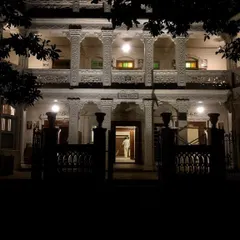
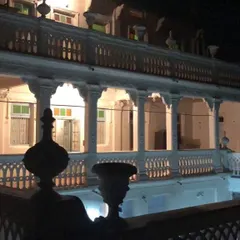
Rhodesia House: Heritage Restoration in Gujarat
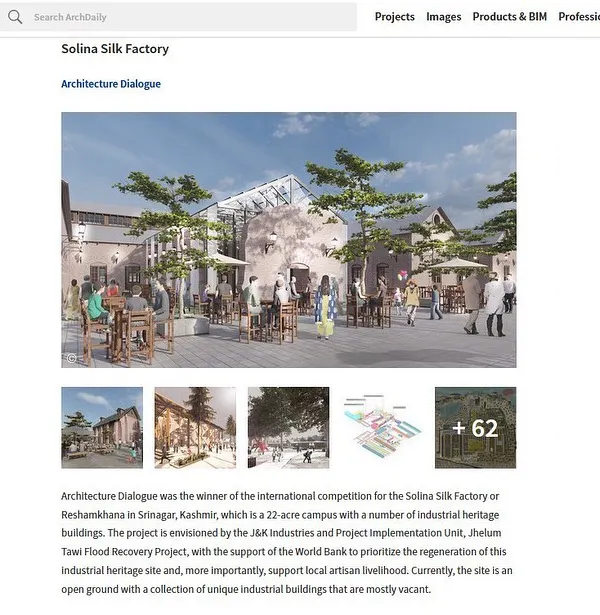 8
8
Breathing New Life Into Heritage Structures
More from Institutional & Campus Design by SJK Architects
More services by SJK Architects