Practical Life Exercises for Early Childhood Independence
At Siksha, Practical Life activities are the foundation of all future learning. Through simple daily tasks, children build the concentration, coordination, and confidence they need to thrive.
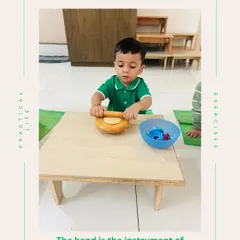
A child practices rolling dough, a practical life activity that strengthens hand and wrist muscles, preparing them for writing. This is also a wonderful sensory experience that builds coordination and focus.
Using a child-safe tool, this little one is carefully cutting a cucumber. This practical life exercise is fantastic for developing fine motor skills, hand-eye coordination, and a sense of capability in the kitchen.
Concentration in action. This child is practicing their knife skills, an essential exercise of practical life that fosters independence and refines motor control. We provide real tools, appropriately sized for small hands, to build real skills.
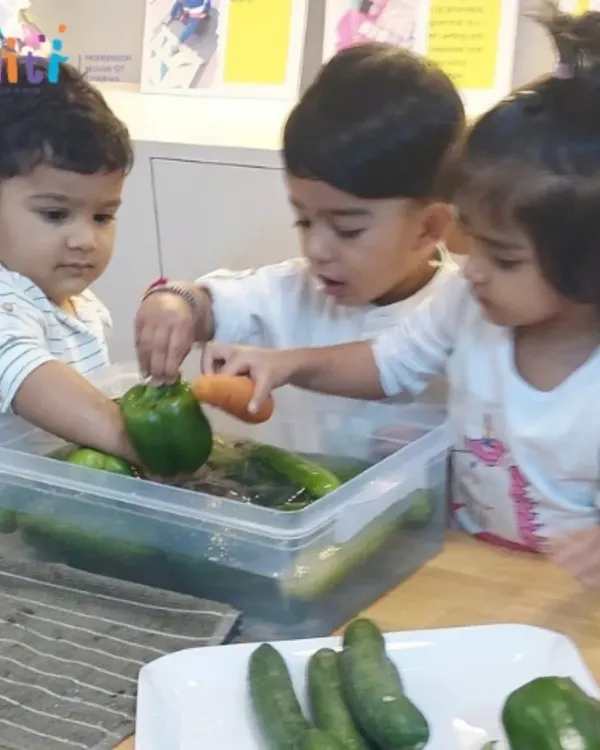
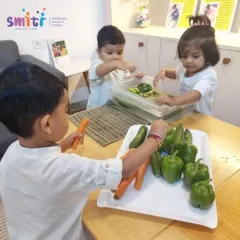
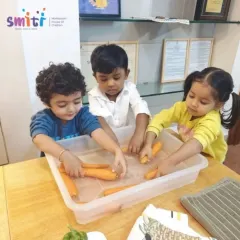
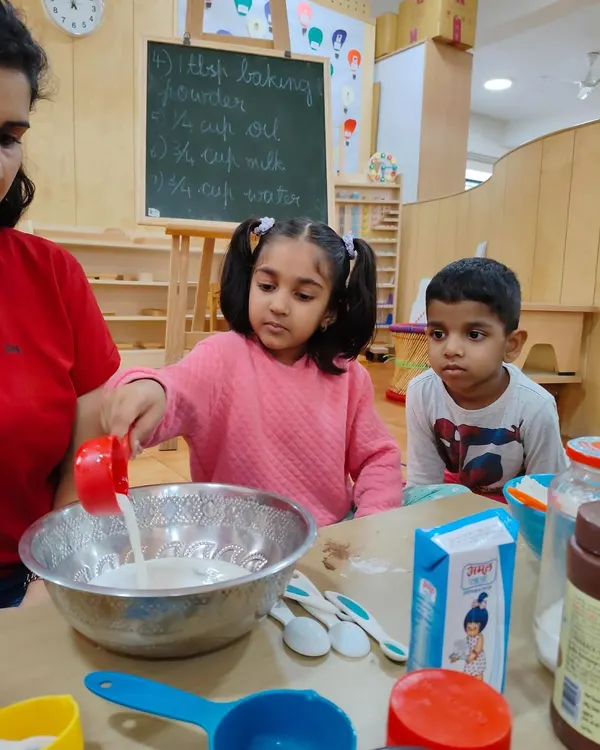
A series of images showing children engaged in food preparation. Whether it's cutting, peeling, or spooning, these activities are fundamental for developing the fine motor skills and concentration needed for writing and other complex tasks.
A series of images showing children engaged in food preparation. Whether it's cutting, peeling, or spooning, these activities are fundamental for developing the fine motor skills and concentration needed for writing and other complex tasks.
A series of images showing children engaged in food preparation. Whether it's cutting, peeling, or spooning, these activities are fundamental for developing the fine motor skills and concentration needed for writing and other complex tasks.
A series of images showing children engaged in food preparation. Whether it's cutting, peeling, or spooning, these activities are fundamental for developing the fine motor skills and concentration needed for writing and other complex tasks.
A series of images showing children engaged in food preparation. Whether it's cutting, peeling, or spooning, these activities are fundamental for developing the fine motor skills and concentration needed for writing and other complex tasks.
A series of images showing children engaged in food preparation. Whether it's cutting, peeling, or spooning, these activities are fundamental for developing the fine motor skills and concentration needed for writing and other complex tasks.
A series of images showing children engaged in food preparation. Whether it's cutting, peeling, or spooning, these activities are fundamental for developing the fine motor skills and concentration needed for writing and other complex tasks.
About Practical Life: Building Independence
When you see our students cutting cucumbers or spooning grains, they are not just helping out. They are building the fine motor control and concentration needed for writing, long before they ever hold a pencil. We use real, child-sized tools here in BTM Layout to help your child master these foundational movements safely and confidently, turning daily tasks into meaningful work.
Practical Life Exercises, often referred to as EPL, are the heart of the Montessori method for children aged 2.5 to 6 years. While these activities might look like simple chores such as folding cloth, pouring water, or buttoning frames, they serve a specific, scientific purpose in a child's development.
The Purpose Behind the Movement
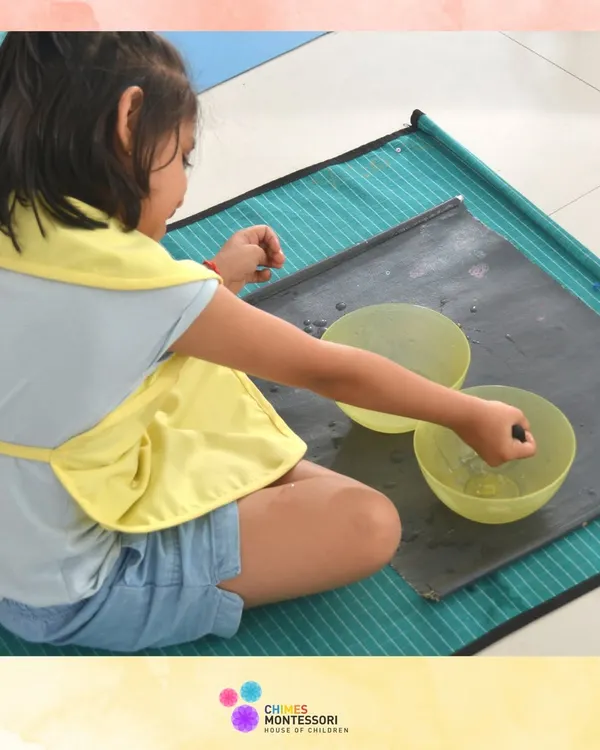
Our goal is to prepare the child for life. Every motion is deliberate. Pouring water from one jug to another requires immense focus and body control. Sweeping the floor encourages order and respect for the environment. These activities are designed to improve fine motor skills, which are the indirect preparation for writing. When a child learns to use a pincer grasp to move grains with a spoon, they are developing the exact muscles needed to hold a pencil correctly later on.
Why We Use Real Tools
In our classrooms, we avoid plastic toys that mimic reality. We provide real, scaled-down tools. A child uses a real knife to cut a banana or cucumber. They use real glass pitchers for pouring. By handling authentic objects, children learn to treat materials with care and gain a realistic understanding of consequence and physics. This fosters a sense of responsibility and capability that plastic alternatives cannot offer.
Independence and Confidence
We often hear parents ask when their child will start writing or reading. We always encourage patience. By focusing on these Practical Life tasks, we allow the child to master their body and their environment first. Once a child feels capable of taking care of themselves—dressing independently, preparing their own snack, or tidying their workspace—their confidence grows. This internal belief that 'I can do it myself' is what truly powers academic learning in the years to come. Whether at our BTM Layout or S.G. Palya branch, we create this prepared environment specifically to nurture that self-reliance.
Similar work from other experts
Browse through Curated picks from other experts on mytribe
Building Independence Through Practical Life Skills
 37
37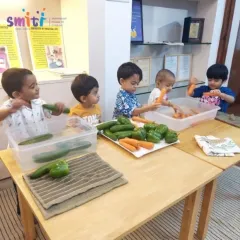
Building Independence Through Montessori Practical Life Skills
 9
9
Practical Life Skills Activities for Kids
Practical Life Skills: Montessori Learning by Doing
Practical Life Skills for Early Independence
 17
17
Building Capable Children Through Practical Montessori Skills
More from Montessori Preschool & Kindergarten (Ages 2.5-6) by Siksha Montessori
More services by Siksha Montessori