Sensorial Learning in Montessori Education
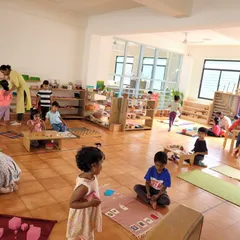
In our classroom, senses are the primary teachers. We use hands-on materials to help children classify their environment, turning abstract concepts into concrete experiences that build the foundation for all future academic growth.
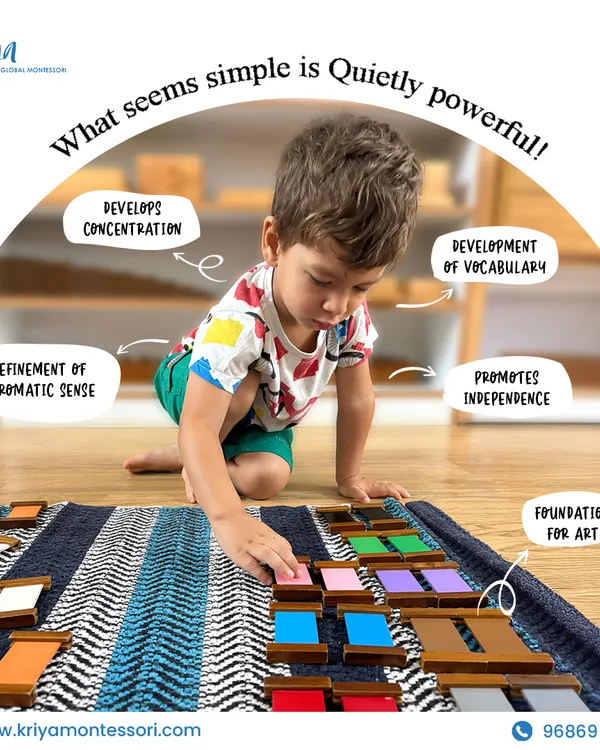
A child works with the Pink Tower, a classic sensorial material. This activity helps them visually discriminate between sizes and builds their understanding of dimensions, which is an indirect preparation for mathematics.
A child works with the Pink Tower, a classic sensorial material. This activity helps them visually discriminate between sizes and builds their understanding of dimensions, which is an indirect preparation for mathematics.
A child works with the Pink Tower, a classic sensorial material. This activity helps them visually discriminate between sizes and builds their understanding of dimensions, which is an indirect preparation for mathematics.
A child works with the Pink Tower, a classic sensorial material. This activity helps them visually discriminate between sizes and builds their understanding of dimensions, which is an indirect preparation for mathematics.
A child works with the Pink Tower, a classic sensorial material. This activity helps them visually discriminate between sizes and builds their understanding of dimensions, which is an indirect preparation for mathematics.
A child works with the Pink Tower, a classic sensorial material. This activity helps them visually discriminate between sizes and builds their understanding of dimensions, which is an indirect preparation for mathematics.
A child works with the Pink Tower, a classic sensorial material. This activity helps them visually discriminate between sizes and builds their understanding of dimensions, which is an indirect preparation for mathematics.
A child works with the Pink Tower, a classic sensorial material. This activity helps them visually discriminate between sizes and builds their understanding of dimensions, which is an indirect preparation for mathematics.
A child works with the Pink Tower, a classic sensorial material. This activity helps them visually discriminate between sizes and builds their understanding of dimensions, which is an indirect preparation for mathematics.
A child works with the Pink Tower, a classic sensorial material. This activity helps them visually discriminate between sizes and builds their understanding of dimensions, which is an indirect preparation for mathematics.
About Sensorial Exploration: Learning Through the Senses
When you see a child building the Pink Tower, it looks like simple block play. But beneath that, they are actually refining their visual sense, learning to differentiate dimensions, and preparing their mind for the logic of mathematics—all without a single worksheet in sight.
Why Sensorial Learning Matters
Maria Montessori famously noted that the hand is the instrument of the mind. Our sensorial materials are not toys; they are specialized tools designed to isolate a specific quality—size, color, sound, texture, or weight.
When a child works with the Pink Tower, they aren't just stacking blocks. They are visually and muscularly absorbing the concept of three-dimensional size and progression. When they use the Cylinder Blocks, they are developing the precise pincer grasp required for later writing, while simultaneously learning to match objects to their corresponding holes. This is how we build the cognitive pathways for math and geometry before the child even encounters a formal lesson.
The Siksha Approach
In our BTM Layout and S.G. Palya classrooms, we allow children to repeat these activities as many times as they need. Unlike traditional rote learning, where a child is told what to learn, we provide the environment where they discover the 'how' and 'why' for themselves.
- Refinement of Senses: Through materials like Colour Tablets, children learn to distinguish subtle shades, refining their visual discrimination.
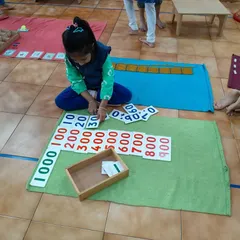
- Foundation for Math: Using the Brown Stairs or the Long Rods, children internalize quantity and dimension physically, making the eventual jump to numbers feel completely natural.
- Independence: Because these materials are placed on reachable shelves, children choose their own work. This builds the concentration and focus that define a confident learner.
By the time our students move toward language and math, their minds are already prepared. They have the vocabulary to describe their world and the coordination to interact with it purposefully.
Similar work from other experts
Browse through Curated picks from other experts on mytribe
 34
34
Awakening the Senses: Sensorial Montessori Learning
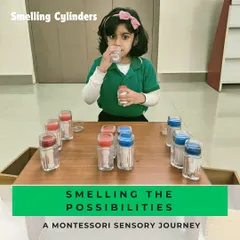
Sensorial Discovery: Developing Precision and Focus
Sensory and Cognitive Learning for Preschoolers
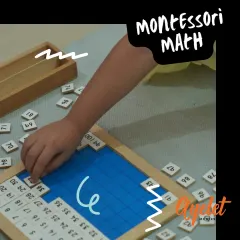
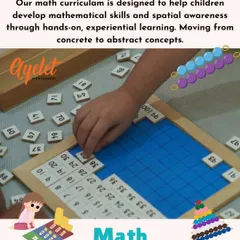
Montessori Learning Materials for Early Childhood
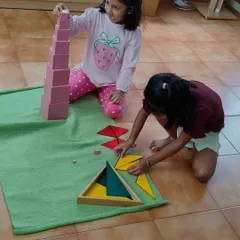
The Montessori Method in Action
Sensory Development Activities for Toddlers
More from Montessori Preschool & Kindergarten (Ages 2.5-6) by Siksha Montessori
More services by Siksha Montessori