Advanced Yoga Practice: Strength & Flexibility
Deepen your practice by mastering complex asanas with guided, step-by-step technique. My training focuses on the anatomy, strength, and mobility required to perform advanced poses safely and effectively.
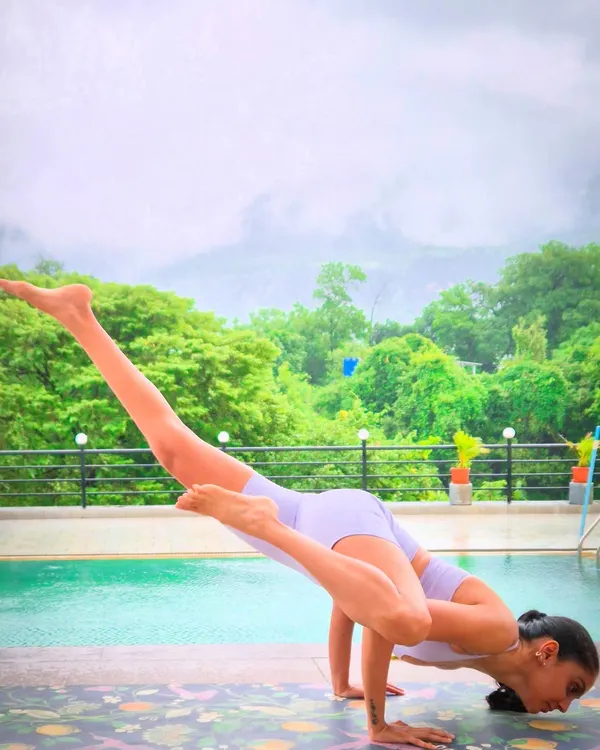
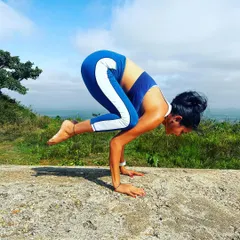
A dynamic Vinyasa flow from Galavasana (Flying Pigeon Pose) into a forward bend. This sequence requires significant arm strength, core control, and hip flexibility, all of which we build progressively in our classes.
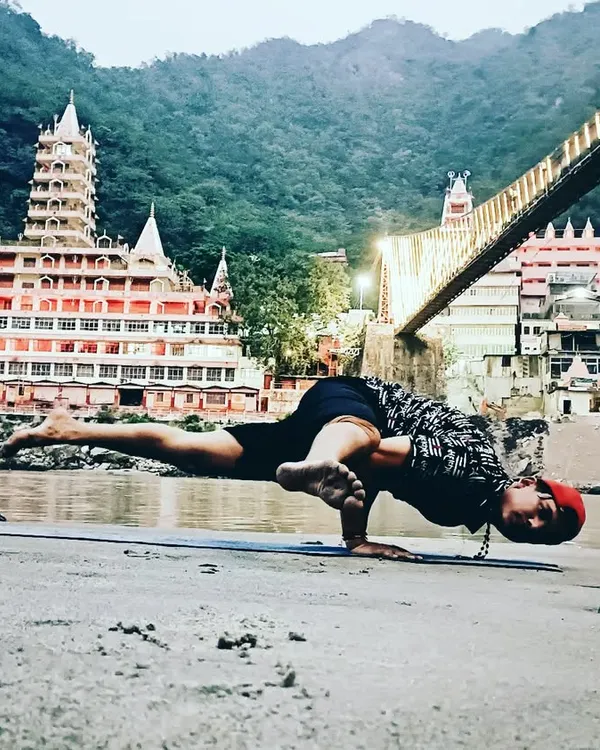
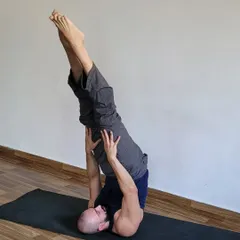
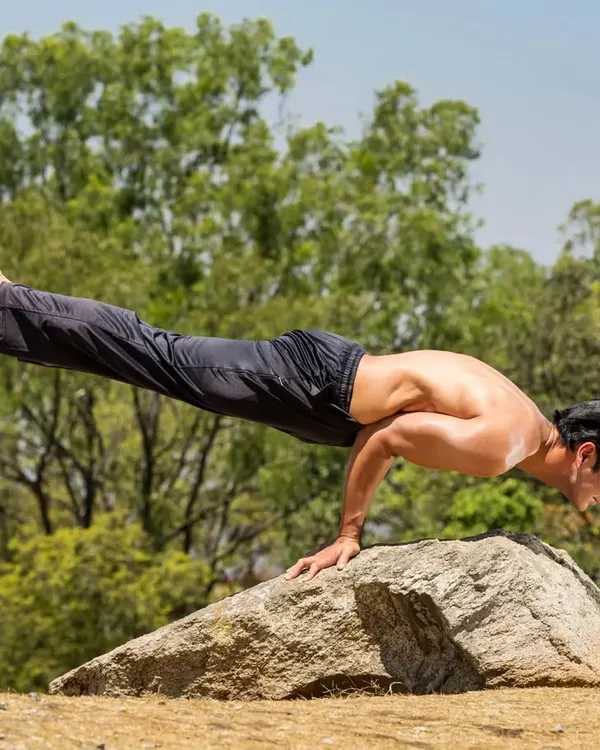
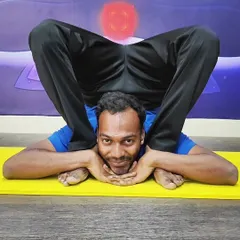
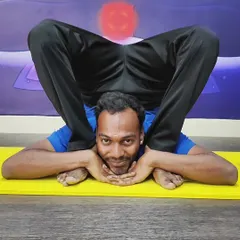
This is an advanced Ashtanga flow, transitioning from Ashtavakrasana to Eka Pada Koundinyasana, then into Gandabherundasana (Chin Stand) and finally Chaturanga. Each movement is linked with the breath to create a powerful, moving meditation.
Here I am assisting a student in a deep spinal twist. This pose, sometimes called Kamar Marodasana, helps to detoxify the internal organs and release tension from the entire length of the spine.
Students here are working on Eka Pada Sirsasana (One-Leg-Behind-Head Pose). This asana requires immense hip flexibility and focus, and we approach it step-by-step to open the body safely.
This is Trivikramasana, or Standing Splits, a pose that demands an advanced level of flexibility and balance. We work on preparatory poses like Hanumanasana to build the necessary openness in the hamstrings and hips.
A student holding Kapotasana (Pigeon Pose), an intense backbend from the Ashtanga intermediate series. This pose opens the entire front body, from the thighs to the chest, and requires a strong, flexible spine.
A fluid transition from Chakrasana (Wheel Pose) to Viparita Dandasana (Inverted Staff Pose). This advanced movement demonstrates control and deep spinal flexibility, linking two powerful backbends.
A student demonstrates Kapotasana, a deep backbend that opens the heart and shoulders. This pose is a milestone in an Ashtanga practitioner's journey, symbolizing surrender and openness.
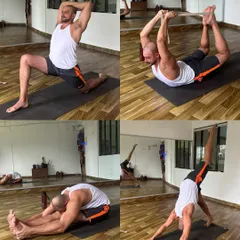
A variation of Eka Pada Rajakapotasana (King Pigeon Pose) using a strap to deepen the backbend and shoulder opening. Props can be excellent tools for exploring the full expression of a pose.
A student in the final expression of Kapotasana. This deep backbend is the culmination of dedicated practice, opening the heart center and improving spinal mobility.
About Advanced Practice: Strength & Flexibility
I don't believe in rushing into complex postures. Whether you are working on arm balances or deep backbends like Kapotasana, we start with the anatomy and mobility required to get there safely. We use props to understand alignment, not to skip the work, ensuring you build genuine strength and stability in your foundation before attempting advanced movements.
Advanced yoga is not about ego or showing off; it is about becoming superior to your former self. When we train for advanced asanas, we are not just working on flexibility. We are training the nervous system, developing core strength, and cultivating the concentration needed to hold these postures with a steady mind.
The Methodology
My classes for advanced practice are structured to remove fear. If you are struggling with a handstand or a deep drop back, it is usually because of a gap in strength or a misunderstanding of how the body moves. We use wall ropes, blocks, and belts to deconstruct poses. These tools allow you to feel the correct alignment in your spine and joints without the risk of injury. You learn how to stack your bones properly and engage the right muscles.
A Disciplined Environment
Whether you are training with me at our Ghatkopar studio or joining an online session, the intensity remains high. My group batches are small—limited to 10 to 15 students—which allows me to provide hands-on adjustments. I will personally check your posture to ensure you are not compromising your lower back or shoulders. This is a space where we value the 'how' and the 'why' over the final shape. If you want to learn the science behind your practice and gain the physical freedom to explore advanced inversions and backbends, this is where you start.
Similar work from other experts
Browse through Curated picks from other experts on mytribe
 17
17Master Advanced Asanas with Safe Progression
Advanced Yoga Poses & Flexibility Training
Master Advanced Yoga and Flexibility with Expert Guidance
 27
27
Advanced Yoga Practice and Inversion Training in Mumbai
Advanced Yoga Poses & Arm Balances
 62
62
Mastering Strength and Flexibility with Advanced Asanas
More from Yoga Classes (Group & Personal) by Thorat Yogashala
More services by Thorat Yogashala