A Safe Space for Teens to Find Their Voice
Somewhere between school stress and the pressure to fit in, I offer a quiet corner where it is safe to just be. Here, we use writing not as a subject to study, but as a way to untangle thoughts and breathe easier.
In 'The Art of Slow Living' workshop, I asked these young adults to become observers of their day. Their reflections were profound. They discovered the joy of eating slowly, the peace in not rushing, and the realization that they can write poems when there is no pressure. This is the power of cultivating mindfulness through writing.
In an age of constant screen time and stimulation, it was powerful to see these nine adolescents switch off their phones for two hours on World Poetry Day. They chose to be present with their thoughts and feelings, using poetry to express themselves. This is a vital step in helping our children cultivate mindfulness and creativity.
Listening to Ishaan share his takeaways from our 'Unearth' creative writing program is so rewarding. He speaks about his new appreciation for mindfulness, the importance of imagery over vocabulary, and the benefit of learning from others' perspectives. This is what happens when we create a space for shared discovery.
Advit, a 7th grader, found his voice in our 'Unearth' program and used it to write this powerful rap about bullying. He reminds us all to stand up and not be a bystander. It is a testament to how writing can be more than a skill; it can be a tool for building confidence and creating change.
Amaira's confidence has blossomed, and it is my Christmas gift. In this clip, she shares how our sessions helped her move from being an introvert to an extrovert, realizing that writing down her feelings is a magical way to become stress free. Seeing her confidence boost up like a rocket is why I do this work.
It is so satisfying to see students become independent thinkers. Here, Varnica, a 7th grader, shares her experience in the 'Unearth' program. She talks about learning to relax, the importance of feedback, and how to engage a reader's senses, showing a deep understanding of both the craft and the personal growth involved.
"I don't know how to write a poem." This is a common feeling, but Aarna, a 7th grader, turned it into a power packed poem of her own. She reminds us to believe in ourselves, no matter what others say. This is the confidence that emerges when children are given the freedom to express themselves without judgment.
When children start to question the world around them, they become critical and creative thinkers. This clip from our 'Unearth' program captures a moment of honest inquiry about the education system. Encouraging these questions is how we can hope for a better world, built by an independent next generation.
This photo takes me back to a session where we sat in a circle, sharing stories. My own journey as a facilitator has been shaped by teachers who showed me compassion and those who did not. Every experience taught me the power of listening, the impact of encouragement, and the importance of stepping down from the ladder of authority to be one with my students.
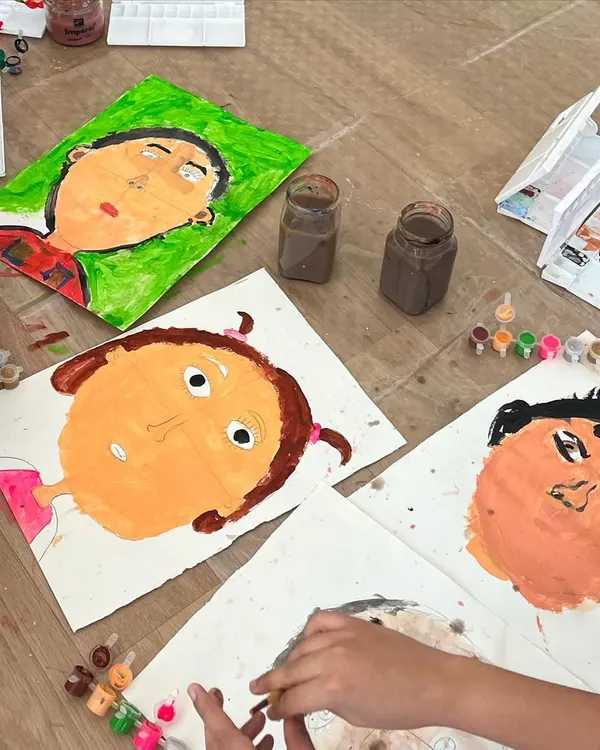
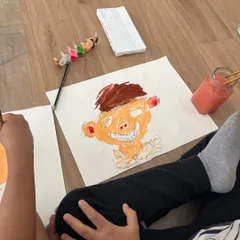
During our 'Aurora' series on creative thinking and writing, these young minds held a space for magic to happen. They drew their interpretations of nature and realized that "we are the same yet different." In a world of AI, experiencing original, natural thought is a profound gift.
About A Safe Space for Teens & Youth
You do not need to be a writer to join these sessions. Most teens come here feeling overwhelmed by school, social media, or just the noise of growing up. My role is to hold the thread while you weave your own story—whether that is through poetry, journaling, or just venting in a judgment-free zone. We start with a 10-minute mindfulness check-in to ground ourselves, then move into writing prompts designed to unearth what is actually bothering you, not just what you think you should say.
More Than Just Writing
Many of my students initially arrive with a heavy backpack of expectations. They feel the pressure to perform in school, fit in with friends, and look a certain way. This program is my attempt to create an 'anti-classroom'—a place where no one is grading you and no one is telling you how to think. We use writing as a tool for emotional release. When a teenager writes down their frustration about a bully or their anxiety about an exam, it stops being a looming monster in their head and starts being something they can name and manage.
How We Work Together
- The Check-in: We begin by settling our nervous systems. We might talk about our week, share a laugh, or just sit in silence.
- The Prompt: I provide open-ended prompts—not 'write an essay on X', but 'what does your anger taste like?' or 'if you could write a letter to your childhood self, what would it say?'
- The Sharing: If you want to read aloud, you can. If you want to keep it to yourself, that is entirely okay. My sessions are about building trust.
Why This Matters
I have seen 13-year-olds walk into these sessions as introverts and leave with the confidence to speak up in class. It is not because I taught them how to write; it is because I gave them the permission to be themselves. Whether you are dealing with body image, friendship issues, or just a general sense of feeling lost, this is a space to offload that weight. You are not alone in how you feel, and sometimes, realizing that is the biggest relief of all.
Similar work from other experts
Browse through Curated picks from other experts on mytribe
Writing for Well-being and Creative Journaling Classes in Gurgaon
 14
14
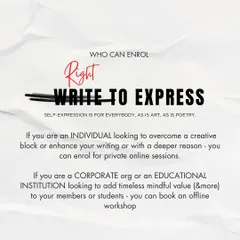
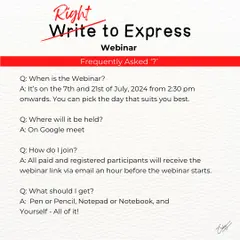
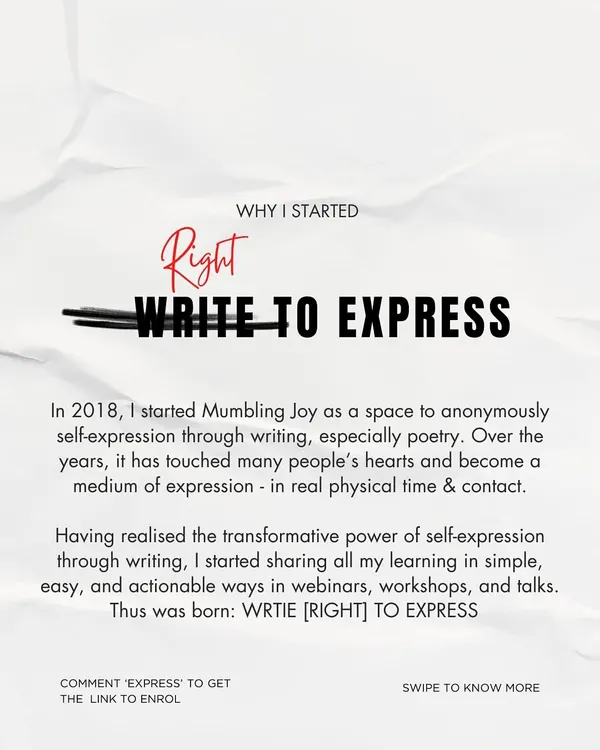
Write to Express Creative Writing Workshops
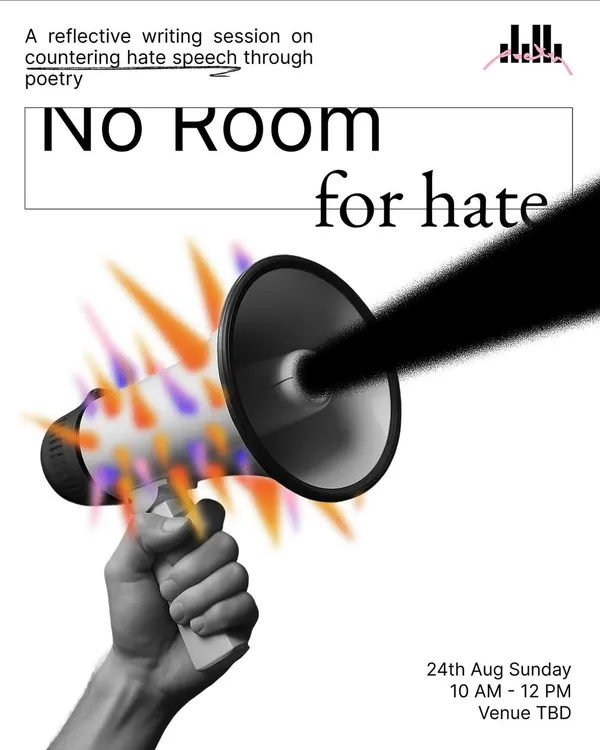 9
9

Poetry Workshops for Healing and Social Change
 26
26
Healing Through Creative Arts and Storytelling Workshops
 14
14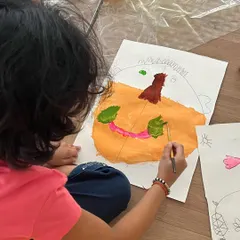
Nurturing Self-Expression Through Individual Art
Creative Writing & Public Speaking for Kids
More from Life & Personal Development Coaching by Sailing Leaf
More services by Sailing Leaf