Sustainable Architecture That Honors the Land
True sustainability starts with listening to the land before drawing a single line. I create spaces that honor local materials, natural light, and the raw beauty of their surroundings.
The stepped seating of the Aravali Biodiversity Park Amphitheatre is constructed with gabion walls, which are wire mesh cages filled with stones sourced directly from the site. This sustainable technique minimizes waste and ensures the structure is visually integrated with the landscape.
A close-up detail of a gabion wall used in the Aravali amphitheater. This construction method is not only sustainable and cost-effective but also creates a porous, textured surface that harmonizes with the rugged, natural beauty of the Aravali hills.
The Samadhaan Hub in Gurgaon is a project designed to be a living demonstration of sustainability. This video shows the site plan and construction details, where all materials are either biodegradable, like bamboo-mud walls, or upcycled from waste, such as glass bottle benches.
This video shows the grand scale of the Aravali amphitheater, with its curved tiers of stone seating carved into the earth. The design respects the natural topography, creating a large public venue that feels like a natural part of the landscape.
The amphitheater is set against the backdrop of the raw, rocky terrain of the Aravali hills. The design intentionally uses a simple, earthy material palette to ensure that the man-made structure does not overpower the natural beauty of its surroundings.
About Sustainable Design in Practice
Sustainable design at Saka Studio is about material honesty rather than just adding features. For projects like the Aravali Biodiversity Park Amphitheatre, we used site-sourced stone in gabion walls to minimize carbon footprint while ensuring the structure blends perfectly with the rocky terrain. This method turns raw, local material into the primary architectural element.
When we build, we look for what is already there. My approach to sustainable architecture focuses on material honesty and site-specific responses. Instead of bringing in distant, high-energy resources, we look at the immediate environment. In the Aravali Biodiversity Park project, the gabion walls act as a structural solution that utilizes the stone directly from the site, reducing transportation needs and waste.
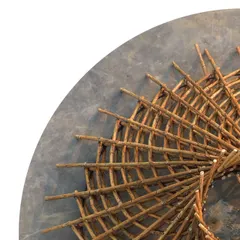
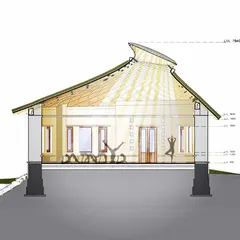
Our work on the Samadhaan Hub pushed the limits of upcycling. We constructed walls from bamboo and mud, and created functional features from discarded glass bottles. This philosophy extends to every home I design. Whether we are planning for passive cooling through natural cross-ventilation or integrating rainwater harvesting, the goal remains the same: a building that functions as a natural ecosystem. Sustainability is not a checklist item for us. It is the core of how we conceptualize massing, orientation, and texture. I want your home to age gracefully alongside the landscape, not struggle against it.
Similar work from other experts
Browse through Curated picks from other experts on mytribe
Architecture in Nature's Embrace: Design That Resonates
 33
33
Biophilic & Sustainable Residences in Delhi NCR
The Craft of Sustainable Building
Our Studio and Creative Design Process
 12
12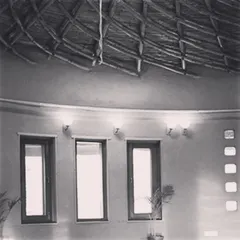
Material Craft: Bamboo, Stone & Upcycled Elements
Architecture in Harmony with Nature
More from Landscape Architecture & Design by Saka Studio