Building Bulletproof Knees and Ankles
If your knees creak louder than your morning alarm, you're looking at the right place. I don't believe in grinding through pain. We build stability from the ground up so you can move, jump, and climb stairs without wincing.
If your knees are giving you trouble, we won't just focus on the knee itself. I'll guide you through exercises that build strength and stability from your feet all the way to your hips, creating a solid foundation for pain-free movement.
Healthy knees are built, not wished for. It involves doing the "boring" stuff like calf raises, using weights to build strength, and even incorporating jumping to build resilience in the joint.
A good squat depends on good mobility, especially at the ankle. This video shows how a "bad" squat can be corrected by working on specific ankle mobility drills to improve your range of motion.
The "knees over toes" philosophy is a game-changer for knee health. This video demonstrates advanced movements like the Peterson Step-Up and Sissy Squat that build strength in the VMO muscle and protect the knee joint.
In this quick Q&A, I talk about why I walk backward on a treadmill. It's a simple but incredibly effective technique for strengthening the muscles around the knee, particularly the VMO, to improve stability.
This is a heel-elevated split squat, an excellent exercise for runners. Elevating the heel allows for a greater range of motion and puts more emphasis on the quad muscles to build strength around the knee.
Here I am demonstrating a Romanian Deadlift (RDL) with a dumbbell. This exercise is key for strengthening the hamstrings and glutes, which act as crucial support for the knee joint during activities like running.
This is a weighted tibia raise, an often-neglected exercise. Strengthening the tibialis anterior muscle on the front of your shin is vital for ankle stability and preventing issues like shin splints.
About Building Bulletproof Knees & Ankles
Most people try to fix knee pain by focusing only on the joint itself, which rarely works. I look at your entire kinetic chain, starting with your feet and ankles, because your knees are often just the victims of bad mechanics upstream. Before we lift a single weight, we audit your gait and squat pattern to see where the breakdown is actually happening.
Why the 'No Pain, No Gain' approach fails your knees
If you're dealing with knee or ankle discomfort, ignoring it until it becomes 'injury' is a guaranteed way to stay stuck. My approach flips the script. Instead of avoiding movement, we identify the exact patterns causing the stress. Usually, a cranky knee is just a symptom of a tight ankle or an inactive hip.
My Protocol for Resilient Joints
I use a blend of 'knees over toes' methodologies and functional strength training to bulletproof your lower body:
- Barefoot Training: We strip off the shoes to wake up your feet. Stronger arches mean better alignment, which instantly takes pressure off your knees.
- Mobility Drills: We utilize bands and rollers to unlock stiffness in your ankles and hips. If your ankle doesn't flex, your knee has to compensate, and that's where the pain starts.
- Progressive Loading: We don't just jump into heavy squats. We use movements like Peterson Step-Ups, Sissy Squats, and tibia raises to build strength in the muscles surrounding the joint—specifically the VMO (the teardrop muscle) and the tibialis anterior.
The Diagnostic Process
We don't guess. We start with a 60-90 minute structural audit. I observe your walking pattern, test your range of motion, and establish a clear 'do not do' list so you stop irritating the area while we heal. Whether you're a runner, a lifter, or just someone who wants to walk up a flight of stairs pain-free, we build a roadmap that respects your body's limits while systematically removing them.
Similar work from other experts
Browse through Curated picks from other experts on mytribe
Lower Body and Joint Pain Rehabilitation
Knee & Ankle Strength and Recovery Exercises
Real Results in Injury Recovery and Corrective Training
 15
15
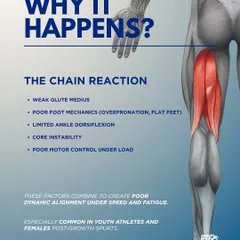
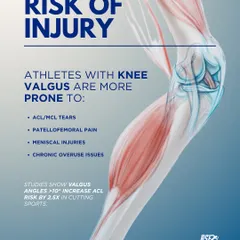
Knee Injury Prevention and Rehabilitation
Rebuilding After Injury: A Safe Path to Strength
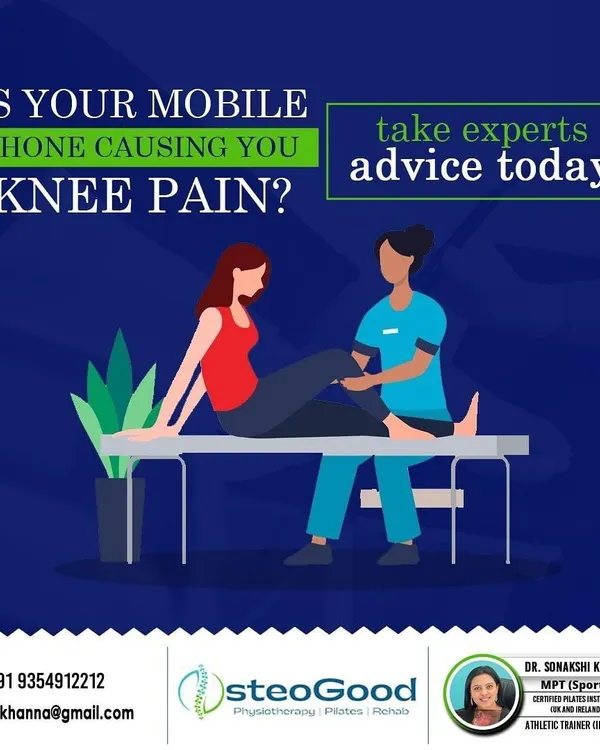 11
11
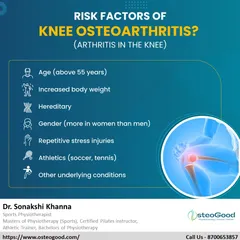
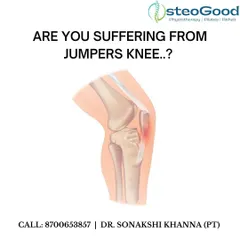
Knee, Foot, and Ankle Physiotherapy
More from Injury Recovery & Pain Management by Prashanth Ponnappa
More services by Prashanth Ponnappa