Ingredient Spotlights and Kitchen Hacks for Your Indian Kitchen
Are you confused by food labels or wondering if your cooking oil is actually healthy? Let's get back to basics. I am here to help you decode what goes into your meals, one simple, affordable hack at a time.
Are you confused between chia seeds and sabja (basil) seeds? This video breaks down the difference. Chia is for long-term wellness, rich in omega-3s, while sabja is for instant relief, acting as a coolant. They are not the same.
Wheat or millets, which is better? Both have a place in an Indian kitchen. Wheat is soft and versatile, while millets are gluten-free and nutrient-dense. I suggest alternating between them for variety and balanced nutrition.
What about white rice versus brown rice? White rice is softer and easier to digest, while brown rice is high in fiber. The best choice depends on your health goals, but remember that balance and portion control are key for both.
Potatoes or sweet potatoes? Let's break it down. Potatoes are lower in calories and provide instant energy, while sweet potatoes are rich in fiber and vitamin A for sustained energy and glowing skin. The only rule is to avoid deep-frying them.
White sugar or brown sugar? It really doesn't matter. Both have similar calories and will spike your blood sugar. What truly matters is reducing your overall sugar consumption, as both are equally harmful in excess.
Which oil is best for Indian cooking? This is a question I get a lot. Cold-pressed oils are best for low-flame cooking as they retain nutrients, while refined oils should be reserved only for occasional deep-frying due to the chemicals used in their processing.
Cold-pressed mustard oil is a staple in North Indian cooking. It has a high smoke point and a pungent flavor, and it's rich in healthy monounsaturated fats and omega-3s, making it great for pickling and frying.
Groundnut (peanut) oil is another excellent choice for cooking. With a high smoke point and neutral flavor, it's ideal for deep frying and stir-frying. It contains healthy fats and Vitamin E, making it a heart-healthy option.
Coconut oil is perfect for South Indian cooking and tempering curries. It's rich in medium-chain triglycerides (MCTs) which provide quick energy and give a distinct, delicious flavor to dishes.
Sesame oil is widely used in Tamil Nadu, Andhra, and Kerala cuisines. Rich in antioxidants, calcium, and Vitamin E, it adds a wonderful nutty flavor to dishes and is great for sautéing.
About Ingredient Spotlights & Kitchen Hacks
Stop washing your leafy greens under a running tap. It never quite cleans the grit out. I fill a large bowl with water, drop the greens in, and give them a good massage. It clears away all the mud and dust, and trust me, your sabzi tastes way better without the crunch of soil.
I do not believe in fancy, expensive superfoods. Your dadi-nani had it right all along, and most of what you need to be healthy is already in your pantry.
Breaking Down the Kitchen Myths
- Oils and Fats: People ask me which oil is best. If you are doing low-flame cooking, cold-pressed oils are fantastic because they keep their nutrients intact. Save refined oils for deep-frying, or better yet, avoid deep-frying altogether.
- Wheat vs. Millets: You do not have to choose one. Wheat is soft and easy for daily rotis, while millets bring in that extra fiber and iron. I suggest alternating them. Variety is the secret to a happy gut.
- Sprouts: Are they healthy? A big yes. Sprouting increases protein bioavailability and makes them easier to digest. If you find raw sprouts hard to eat, steam them or add them to your curry at the very end. Perfection is not the goal; consistency is.
- Sugar: Whether it is white or brown, your body reacts similarly. It is not about swapping the type of sugar, but reducing your overall intake.
My approach is what I call 'sasti-sundar-tikau'. It means healthy food should be affordable, good for you, and sustainable for the long haul. You do not need magic pills or restrictive diets. You just need to understand what you are putting on your plate. Whether we are discussing chia seeds versus sabja or the right way to clean winter greens, it is all about building a relationship with your food. Let’s make your kitchen a space for healing, not just cooking.
Similar work from other experts
Browse through Curated picks from other experts on mytribe

Know Your Ingredients: Science-Backed Kitchen Essentials
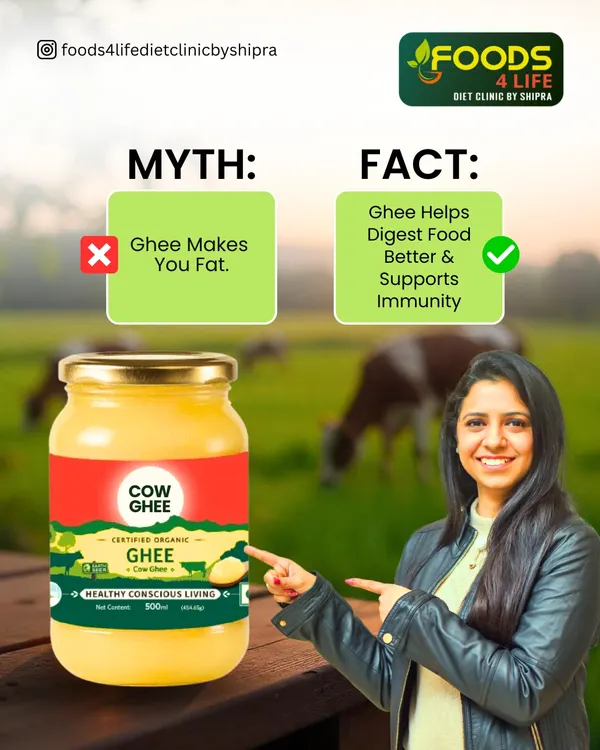 91
91
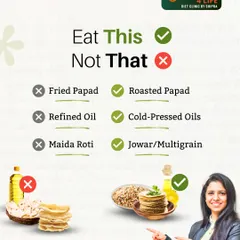
Debunking Common Indian Diet Myths
Healthy Recipes & Simple Kitchen Hacks
Nature's Pharmacy: Kitchen Tips for Plant-Based Living
Know Your Food: Science-Backed Nutrition & Simple Hacks
Smart Eating & Desi Hacks for Healthy Daily Habits
More from Women's Holistic Nutrition & Wellness Coaching by Kirti Yadav
More services by Kirti Yadav