Asian Elephant Photography: Wildlife Portraits and Behaviour
There is something moving about watching a mother elephant protect her calf or a tusker wander the forest alone. I have spent years tracking these giants across Rajaji and Corbett to capture their true nature, not just as animals, but as intelligent, family-oriented beings.
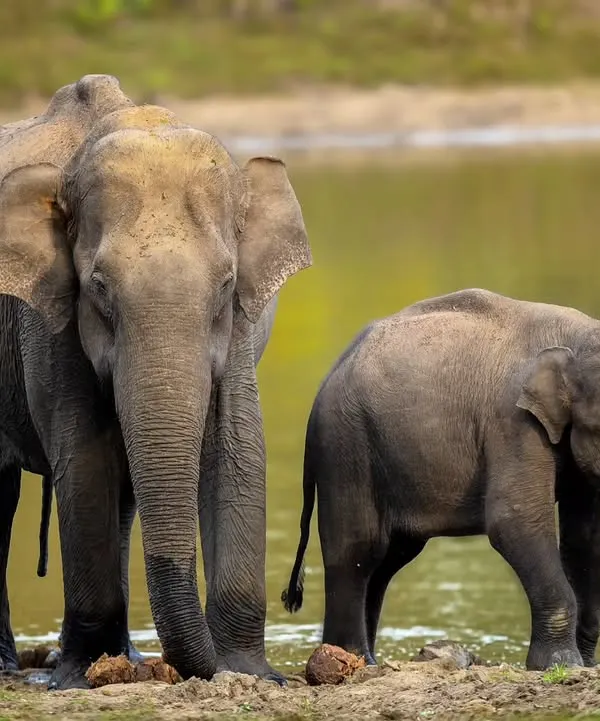
A tender moment between an elephant mother and her calf at a waterhole in Rajaji National Park. This image captures the strong bond and protective nature that is so central to elephant family life.
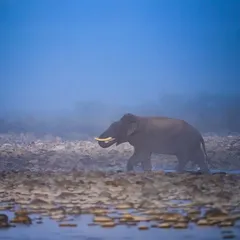
A majestic tusker, known as Gajraj, quenches his thirst at a waterhole in Rajaji National Park. Only male Asian elephants have tusks.
A tusker walks along the edge of a waterhole in Rajaji National Park, his reflection perfectly mirrored in the calm water.
An elephant mother and her calf enjoy a dip in a man-made waterhole in Rajaji National Park, a crucial resource for wildlife during the dry season.
An elephant uses its trunk to reach for fresh leaves high up in a tree in Rajaji National Park, showcasing its intelligence and dexterity.
A family of elephants drinking and playing at a waterhole, their reflections creating a beautiful, symmetrical image. This video was taken to celebrate World Elephant Day.
A herd of elephants at a waterhole in the dense forests of Corbett National Park.
A wide shot of an elephant herd at a waterhole in Rajaji National Park, showing the social structure of these intelligent animals.
An elephant mother stands protectively beside her young calf at the water's edge in Rajaji.
A mother elephant and her calf cooling off in the water during a hot day on a safari in Rajaji National Park.
About Elephants: The Gentle Giants
When photographing elephants, knowing the difference between a solitary tusker and a protective herd changes your approach entirely. I often spend hours tracking their 'mast chaal' (majestic gait) or waiting for them to reach a waterhole, as these are the moments where you see their true personality beyond the standard safari snapshot.
Capturing elephants is never just about getting the shot. In places like Rajaji National Park and the Dhikala zone of Corbett, you are often working with light, wind, and the unpredictable nature of the forest. I emphasize ethical, low-impact observation, whether we are catching a herd bathing at a man-made waterhole or observing a tusker's quiet movement through the tall grass.
Understanding the Subject
It helps to know what you are looking at before you lift your camera. In Asian elephants, only the males carry tusks. Watching a tusker—or 'Gajraj' as they are known—move with that signature 'mast chaal' is a masterclass in patience.
The Ethics of the Shot
My photography is not about chasing the animal. It is about understanding behavior. When I photograph a mother elephant giving alarm calls because she senses a tiger nearby, I am capturing a protective instinct, not just an animal in a frame. These are the details—the mud baths they take to regulate their body temperature, the way they use their trunks to forage—that turn a standard photo into a story.
Join the Expedition
If you want to move beyond the casual safari experience and learn how to anticipate these movements, my guided tours focus on reading the jungle. We spend the time needed to get the lighting and the position right, ensuring you come away with images that feel like they have a soul.
Similar work from other experts
Browse through Curated picks from other experts on mytribe
 15
15
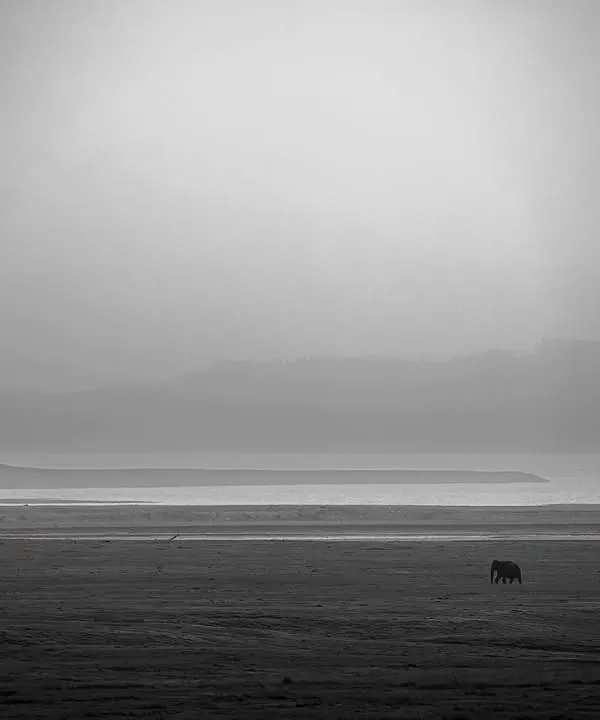
Asiatic Elephant Photography: Habitat Prints & Rare Moments
 13
13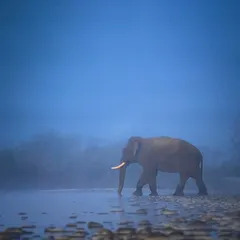
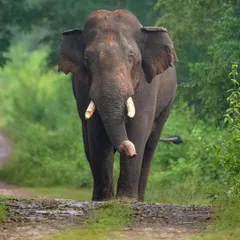
Photography Tours: Capturing Giants of the Land
 7
7
Authentic Wildlife Encounters and Nature Photography
 34
34
Wildlife Photography: Giants & Other Jewels
Tracking Mammals Across the Indian Subcontinent
 26
26
The Tiger's Realm: Portraits of India's Big Cats
More from Wildlife & Nature Photography by PGahlot Photography
More services by PGahlot Photography