Photography Tours: Capturing Giants of the Land
There is nothing more humbling than standing in the presence of giants. From the misty riverbanks of Corbett to the deep green forests of Kabini, I help you slow down and capture the quiet power and spirit of India's largest herbivores.
A lone elephant walks along the banks of the Ramganga river in Corbett. This monochrome frame strips away color to focus on the raw poetry of the wild: solitude, stillness, and strength.
A handsome tusker crossing the Ramganga river on a super cold, foggy morning in Corbett, creating a moody and atmospheric scene.
Another frame of the tusker in the Corbett mist, a moment that feels timeless and ethereal.
A huge tusker asserts his power on a monsoon morning in Kabini. The sheer presence of these animals is awe-inspiring.
A handsome makhna (tuskless male elephant) dust-bathing near a waterhole in Bandhavgarh. Elephants are now resident here, a testament to the forest's allure.
The reflection of the makhna in the water adds a beautiful symmetry to this serene moment.
A young elephant enjoying a private pool party in a Kabini waterhole during the summer.
The little elephant makes a huge splash, a moment of pure, unadulterated joy.
Splish, splash! The playful antics of young elephants are always a delight to photograph.
More splashing from the little one, living its best life in the cool water.
About Giants of the Land: Elephants, Rhinos & More
Photographing large mammals is rarely about speed; it is about anticipation. When I take you to a spot like the Ramganga banks in Corbett, we don't just shoot. We wait for that mist to hit the tusker’s silhouette or for the light to catch the texture of a gaur. I will teach you to stop chasing and start reading the forest, a shift that fundamentally changes how you capture these massive, gentle giants.
The secret to photographing elephants, rhinos, or gaurs lies in the transition from observer to witness. While many workshops focus on fast-paced action, my expeditions into places like Nagarhole or Bandhavgarh are designed to slow your pace.
When working with herbivores, lighting and composition are everything. A tusker at midday in the harsh sun requires a different technical approach than the same animal emerging from the morning fog in Corbett. I guide you on how to handle dynamic range, underexpose to retain detail in the shadows of heavy, thick-skinned subjects, and use low-angle perspectives to make the animal feel as imposing as they truly are in their habitat.
We also focus on storytelling beyond the portrait. Whether it is capturing the social dynamics of a herd dust-bathing in Bandhavgarh or the solitary, quiet dignity of a bull elephant crossing a river, the goal is to tell a narrative. I work with you on positioning—often predicting movement before it happens so you aren't just reacting to the scene, but composing it.
My workshops are not lecture-based. We are out in the field together, working through these challenges in real time. You will learn how to read signs, interpret behavior, and adjust your gear for environments that change from misty winter mornings to scorching summer afternoons. By the end of our time together, you will see the forest not as a collection of subjects, but as a complex, breathing theater where every giant has a role.
Similar work from other experts
Browse through Curated picks from other experts on mytribe
 29
29
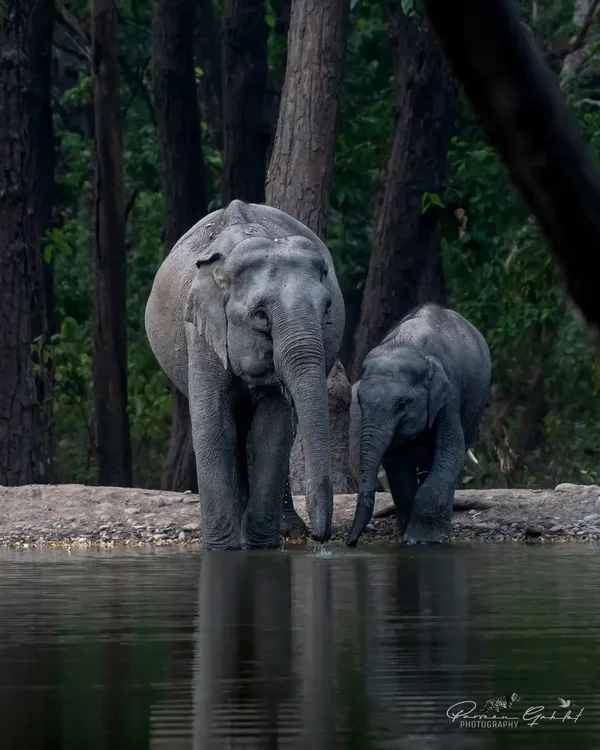
Giants of the Land: Elephants & Rhinos
 14
14
Asian Elephant Photography: Wildlife Portraits and Behaviour
 7
7
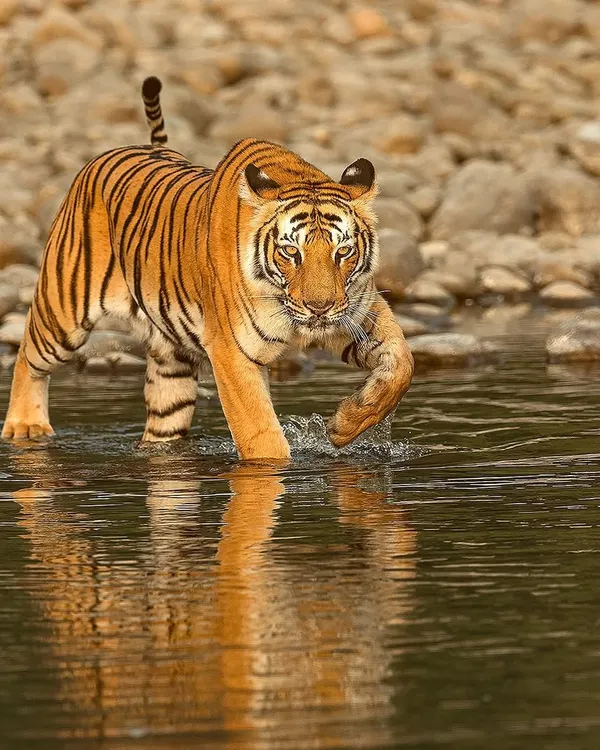
Photographing Corbett's Majestic Tigers
 15
15
Giants of the Land
 15
15
Asiatic Elephant Photography: Habitat Prints & Rare Moments
 23
23
Giants of the Savannah: Wildlife Photography Tours
More from Wildlife Photography Workshops by Harsha Narasimhamurthy
More services by Harsha Narasimhamurthy